













Sit, rest, measure, record. A few simple steps help you get readings you and your doctor can rely on.
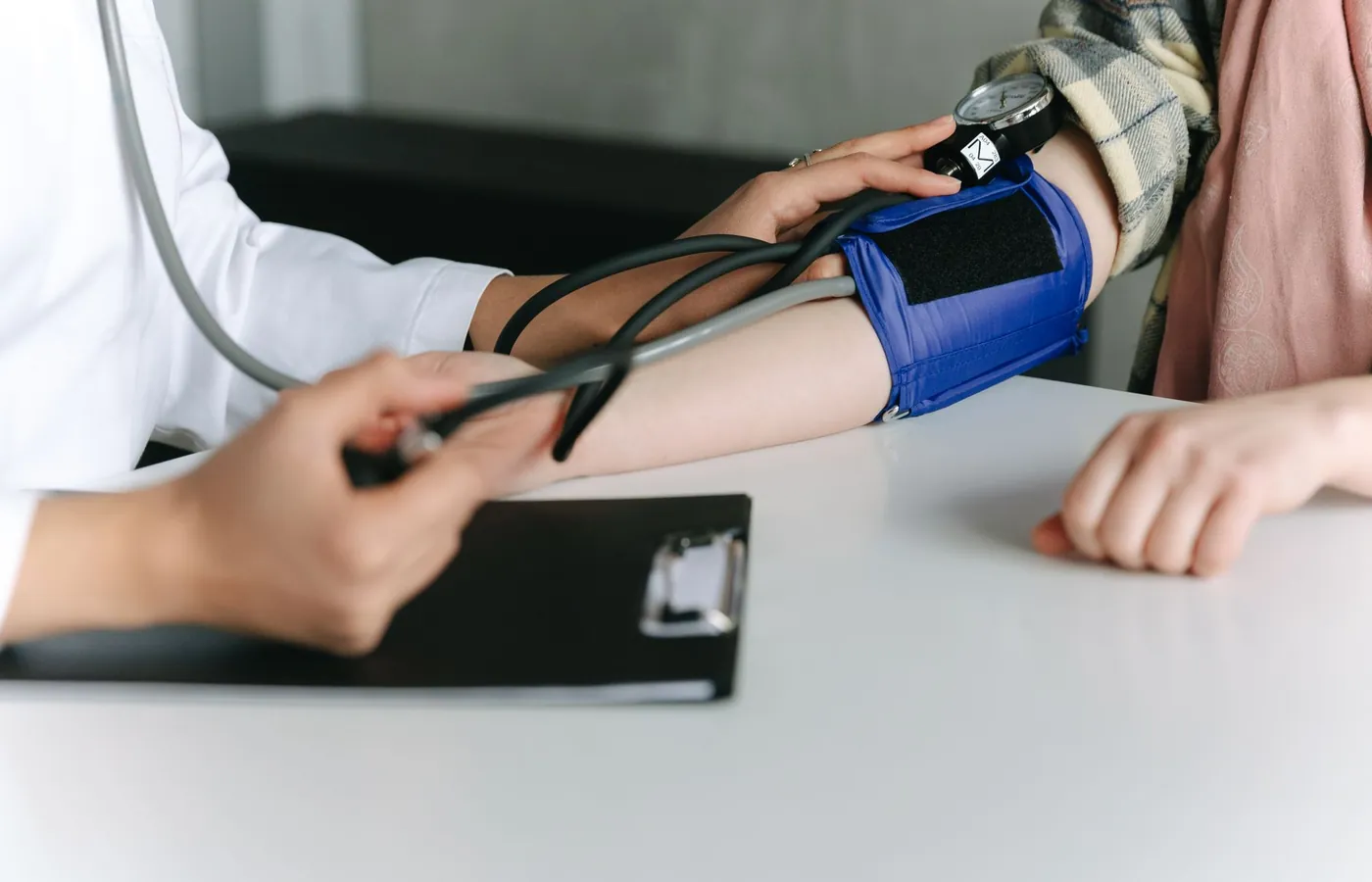
Home monitors have made it easy to keep an eye on blood pressure between clinic visits. How you take the reading matters as much as the device, so it is worth learning a steady routine.
Before you measure
Sit quietly for five minutes first. Avoid tea, coffee, exercise and smoking for half an hour beforehand, and use the washroom if you need to.
Get the position right
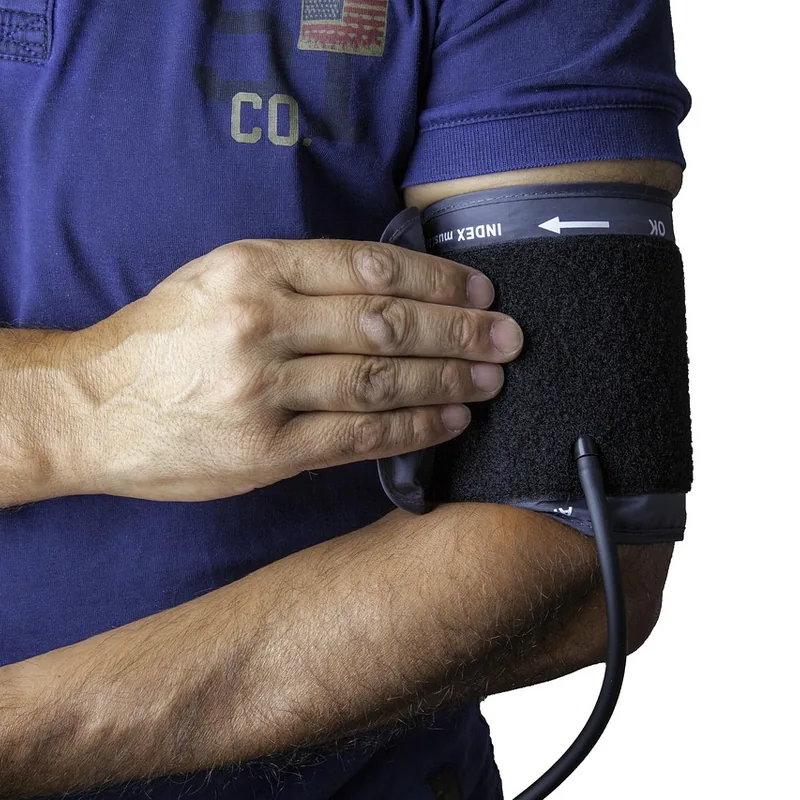
Sit with your back supported and both feet flat on the floor. Rest your arm on a table so the cuff is at heart level, and wrap the cuff on bare skin, not over a sleeve. Stay still and do not talk while the monitor is working.
Take two readings
Take two readings a minute apart and note both. Measuring at the same times each day, for example morning and evening, makes the numbers easier to compare.
Keep a simple log
Write down the date, time and readings, or use the memory on your monitor. A record over several days is far more useful than a single number.
A home monitor is a tool for tracking, not for diagnosis, and you should never change any treatment based on home readings alone. For advice that fits your own health, speak to a Medora pharmacist or your doctor.
This article is general health information, not medical advice. Talk to a pharmacist or doctor about your own symptoms and medicines.