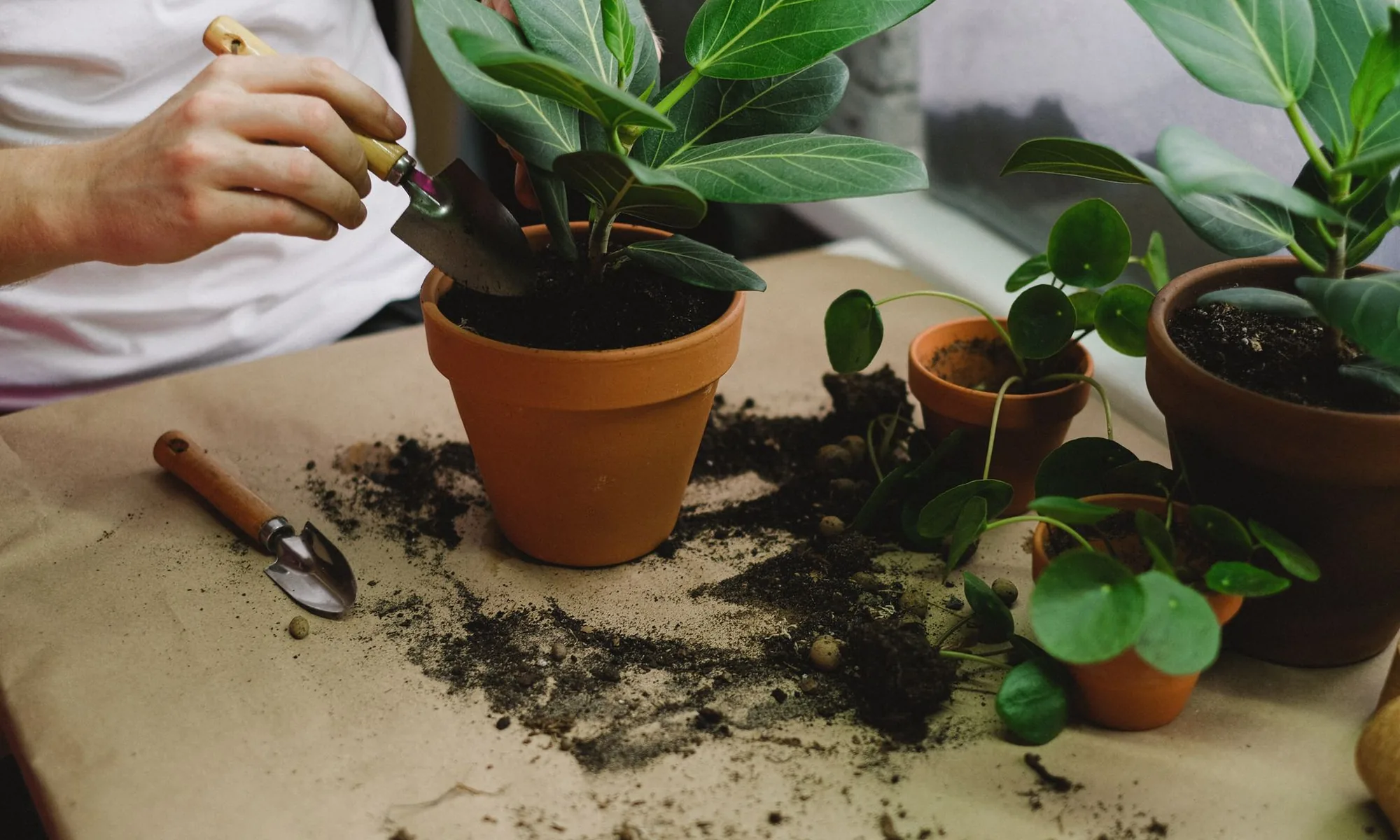
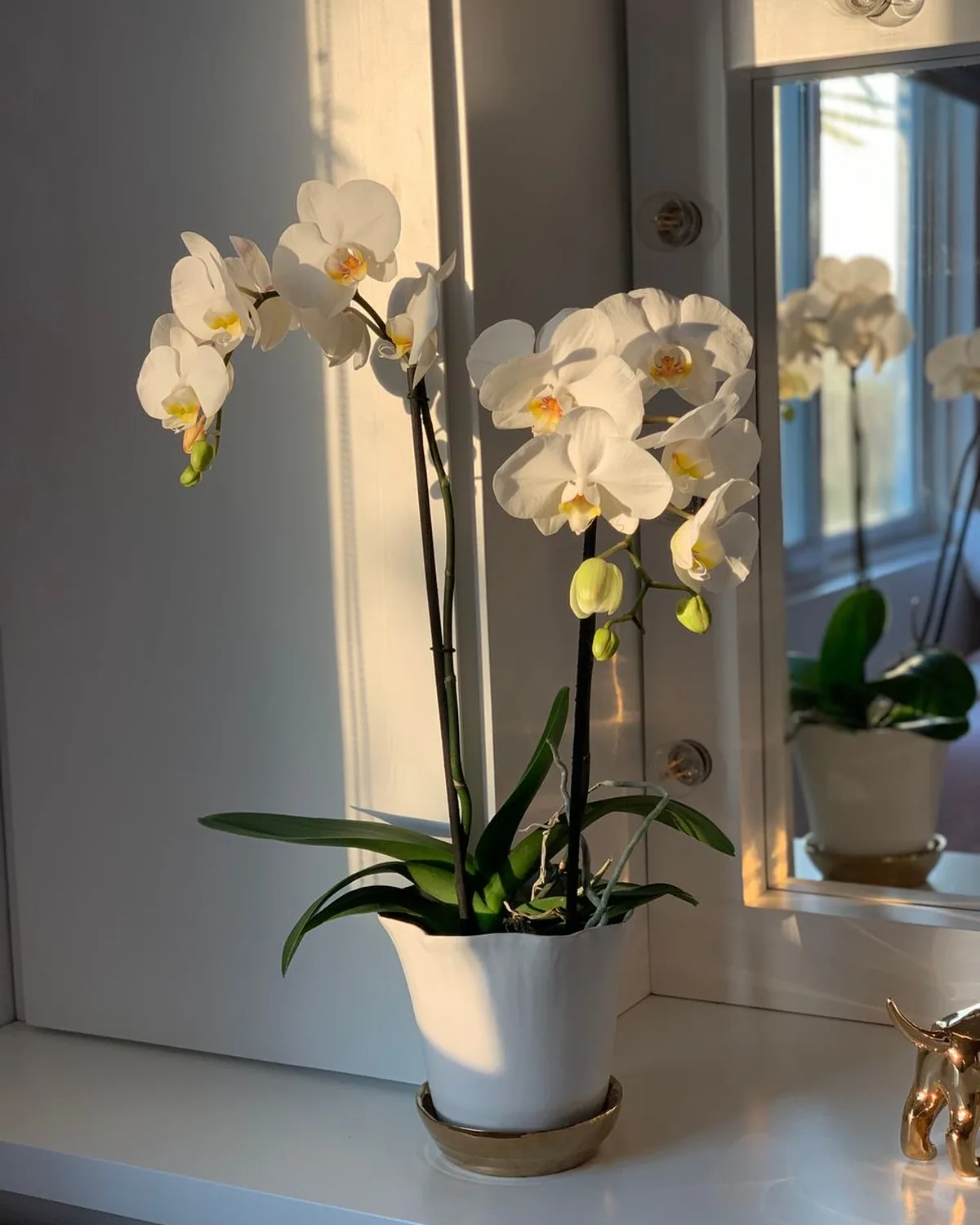
Most houseplants are lost to too much water, not too little. Here is a simple routine that works for almost every pot in your home.
Ask any of our plant doctors what brings most plants into the nursery clinic and the answer is the same: too much water. Roots need air as much as they need moisture. When soil stays wet for days, the air is pushed out, the roots begin to rot and the leaves turn yellow from the bottom up. The good news is that watering well is a habit anyone can learn.
Check the soil, not the calendar
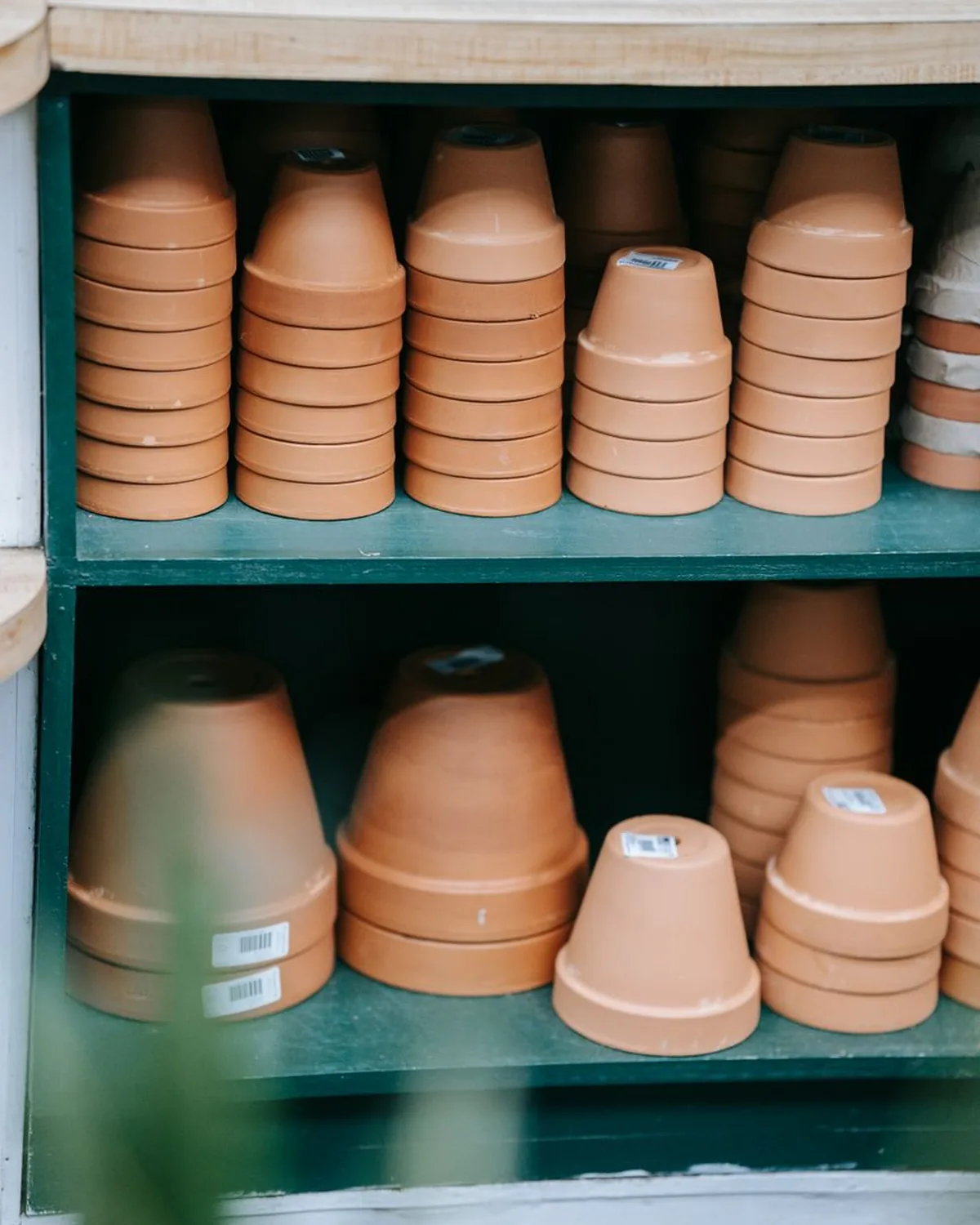
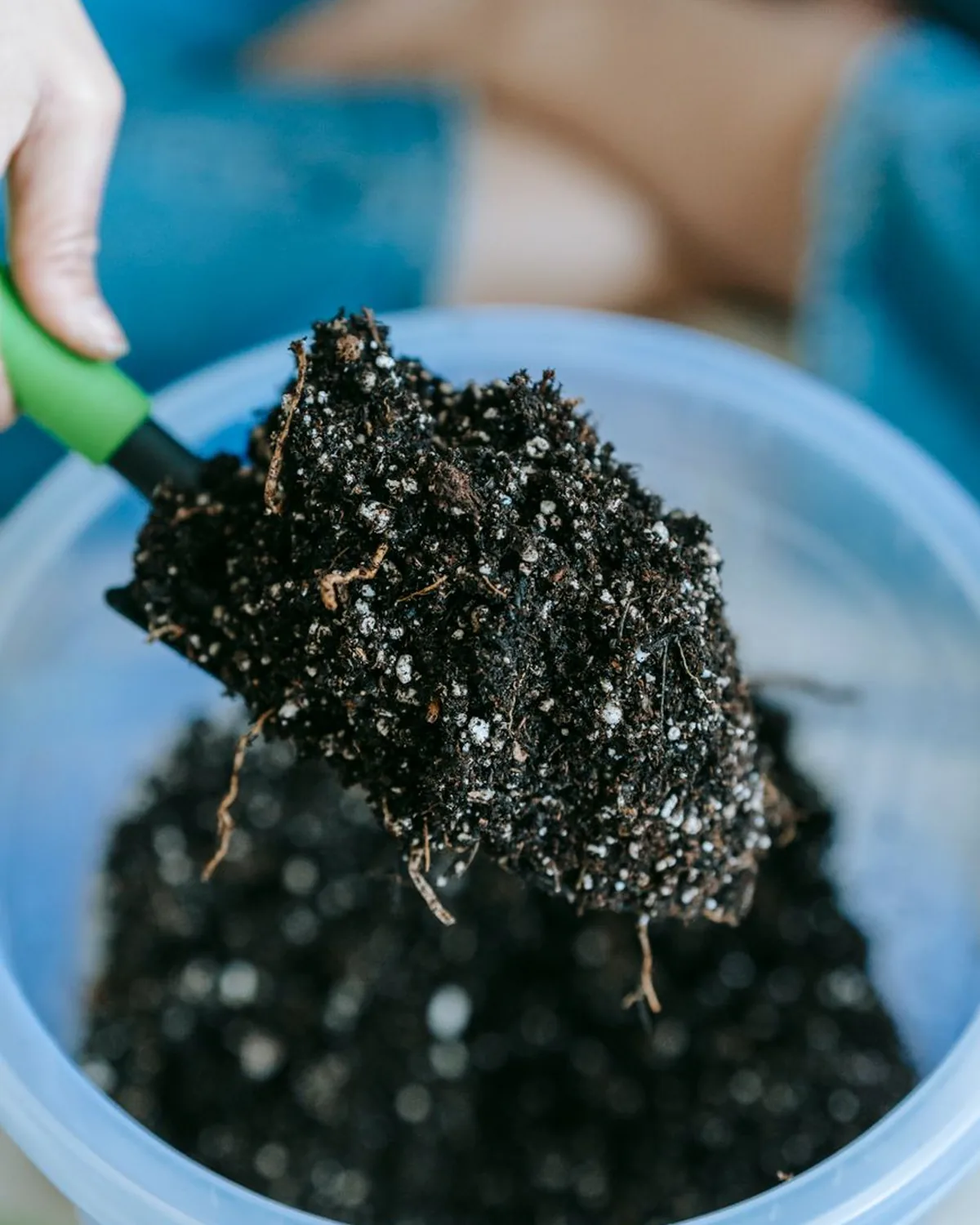
A fixed schedule sounds neat, but your plant does not read the calendar. A pot dries faster in May than in December, faster in terracotta than in glazed ceramic, and faster by a sunny window than in a hallway. Before you water, push a finger about 3 cm into the soil. If it feels cool and damp, wait. If it feels dry and crumbly, water. For large floor plants, a moisture meter pushed halfway down the pot gives a more honest reading than the surface does.
Water deeply, then let it drain
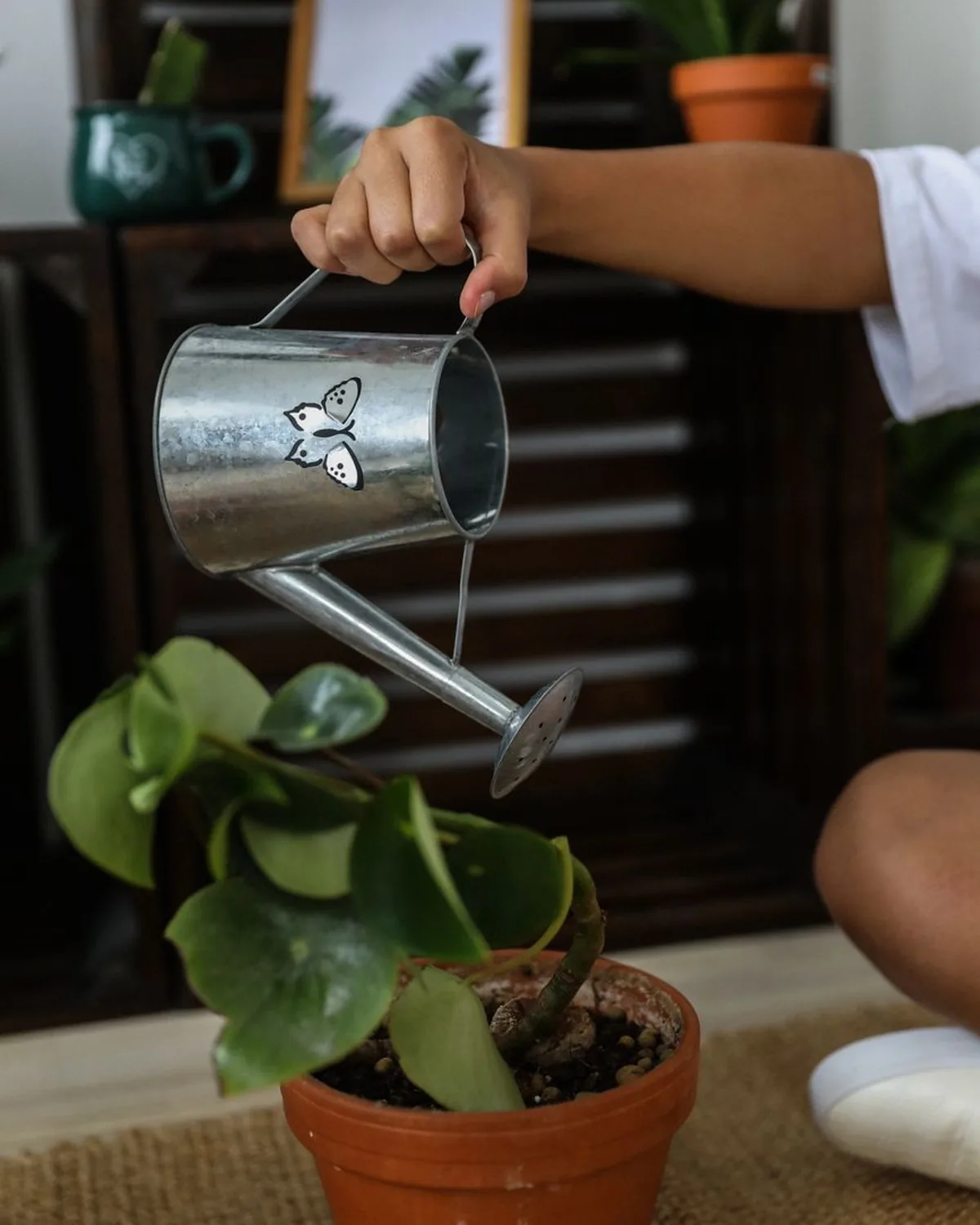
When it is time, water slowly and evenly across the whole surface until water runs from the drainage hole. This draws roots downwards and flushes out built-up salts. After ten minutes, empty the saucer. A plant should never stand in water for more than half an hour. Small sips every day keep only the top layer wet and encourage weak, shallow roots.
Match the plant
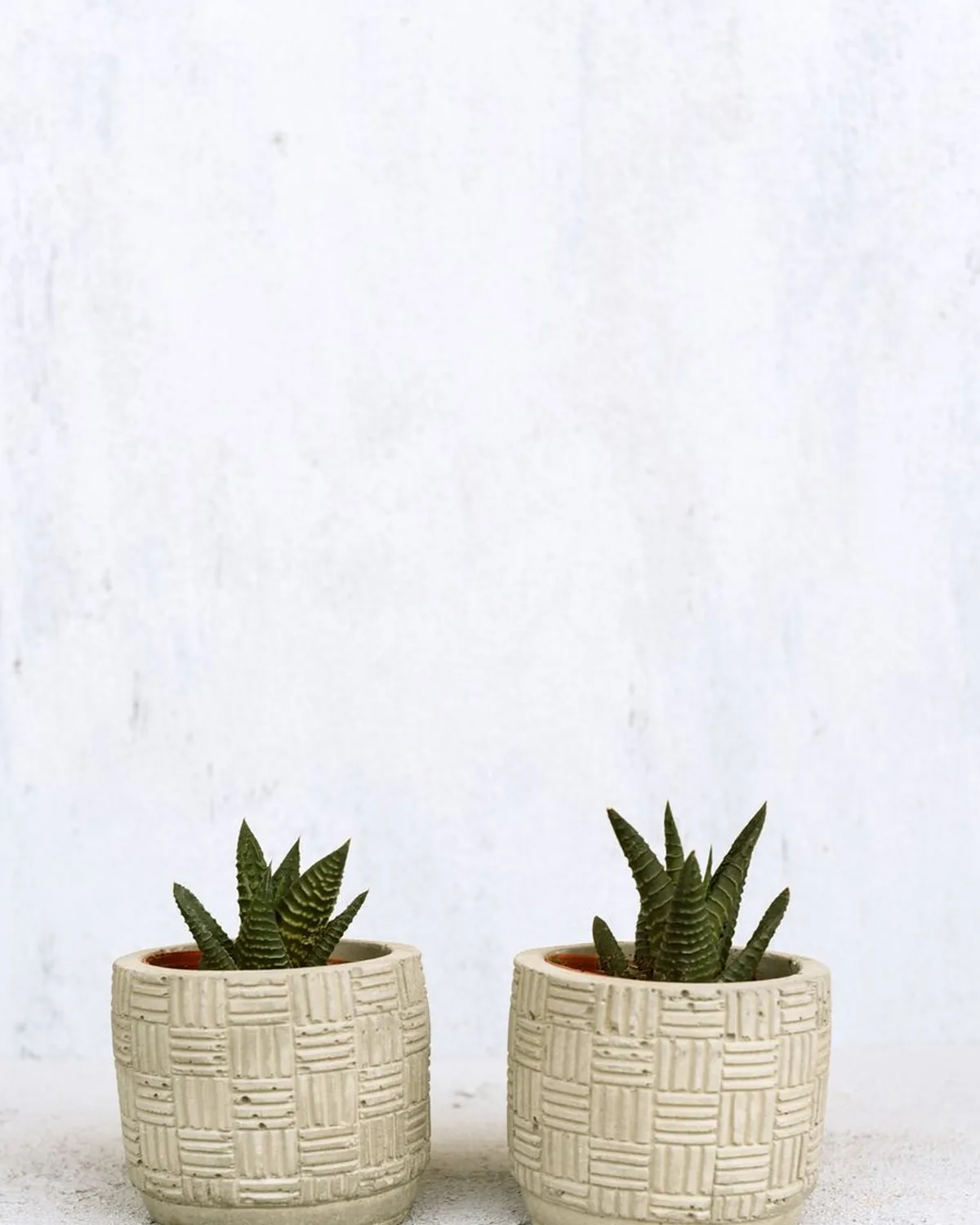
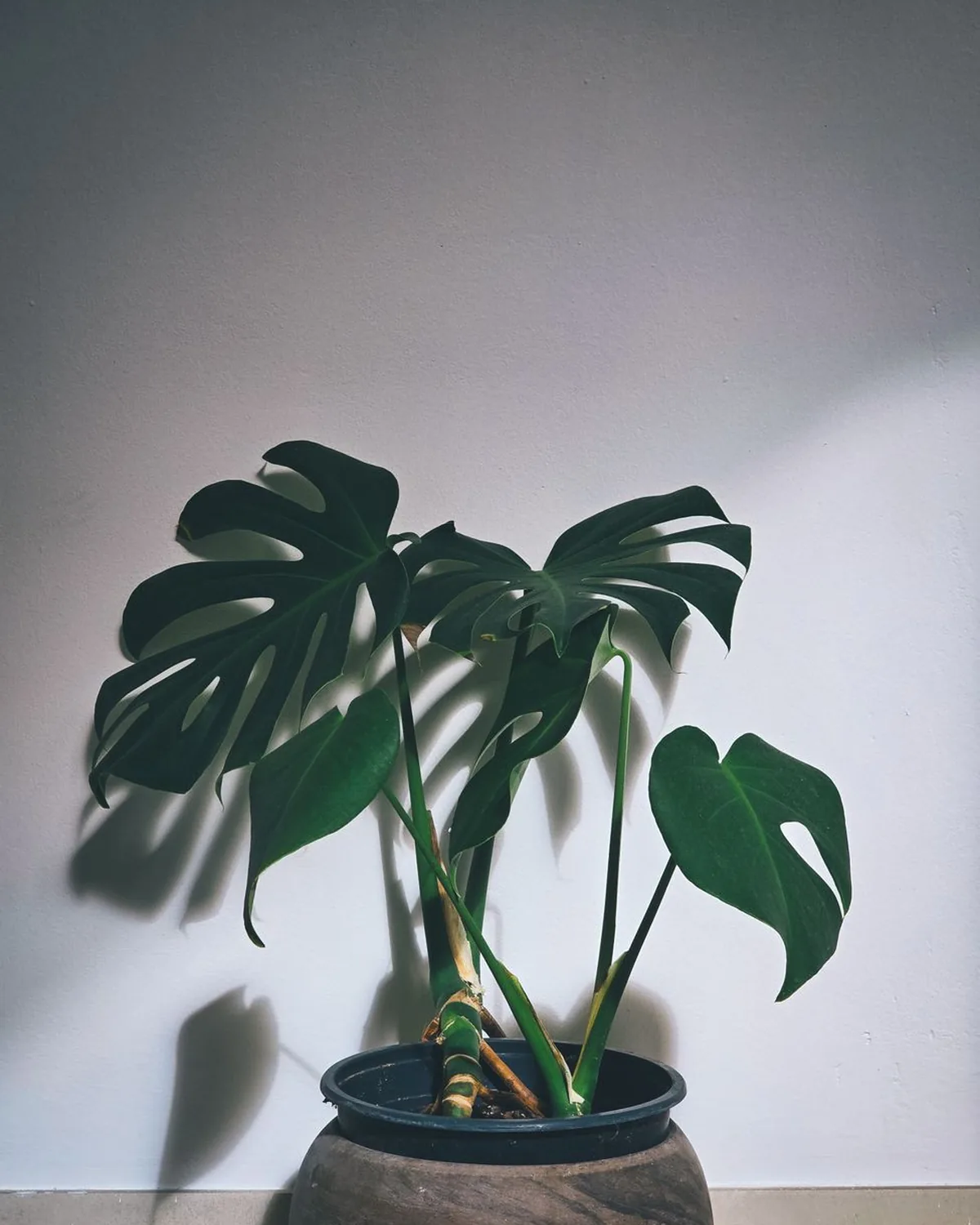
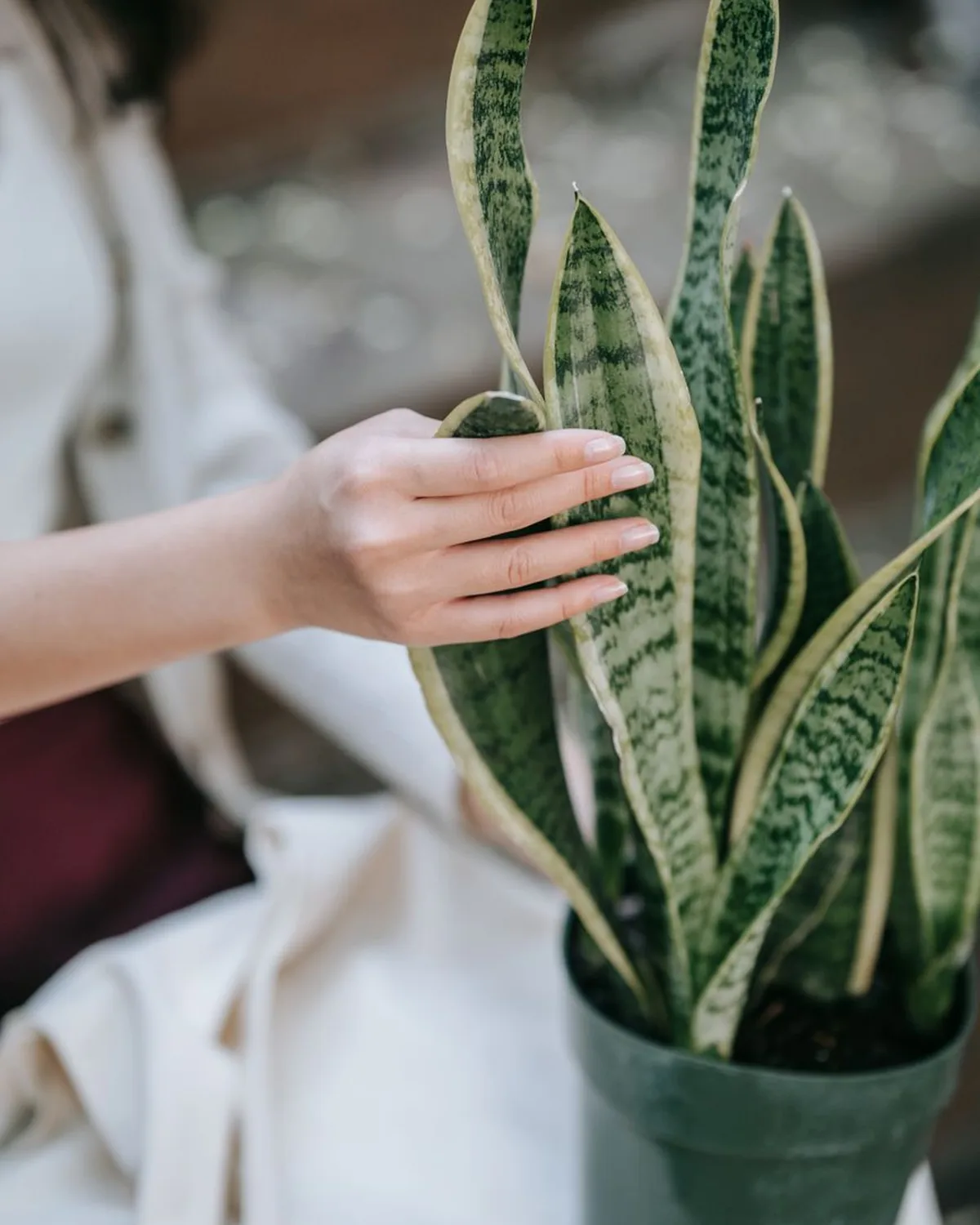
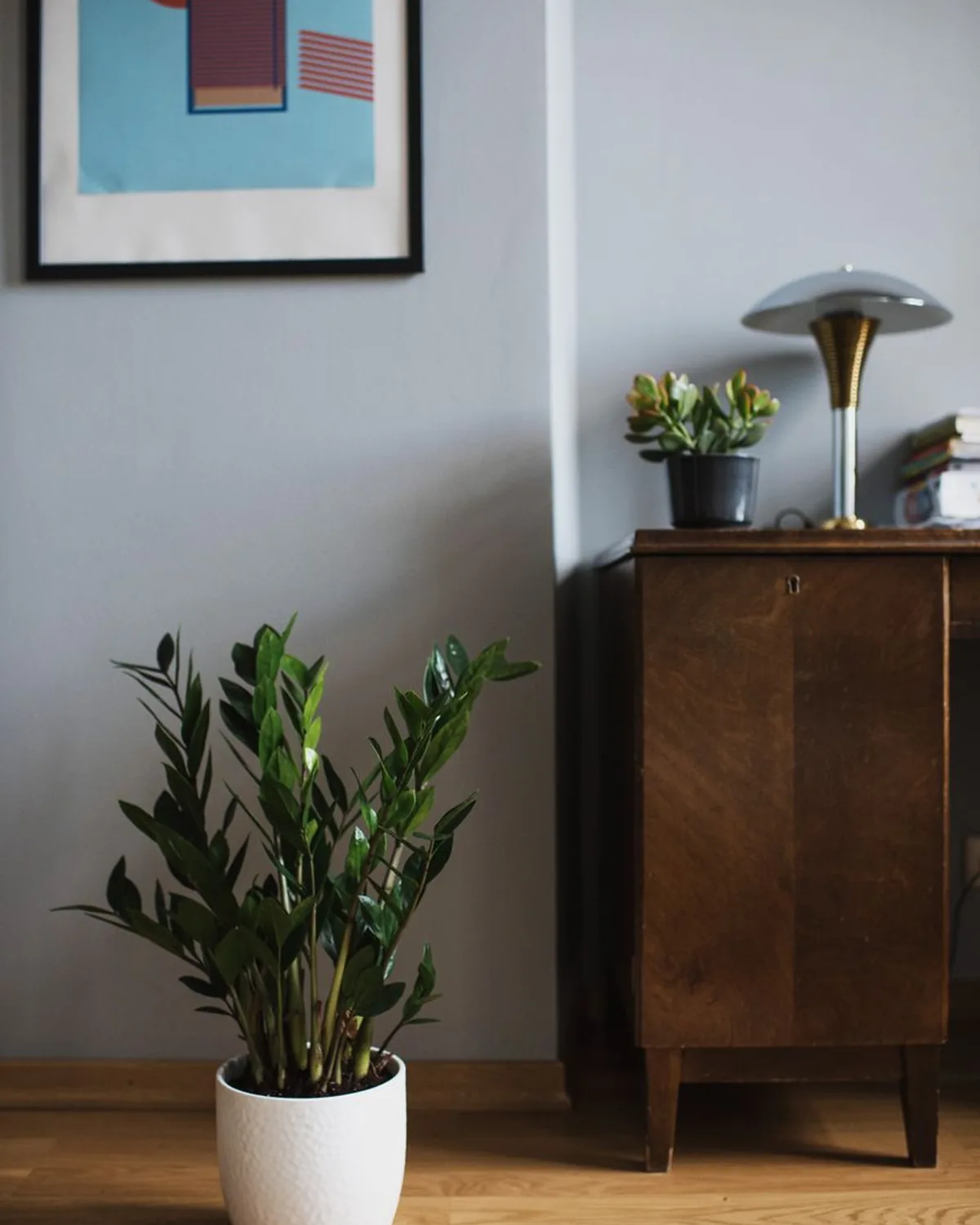
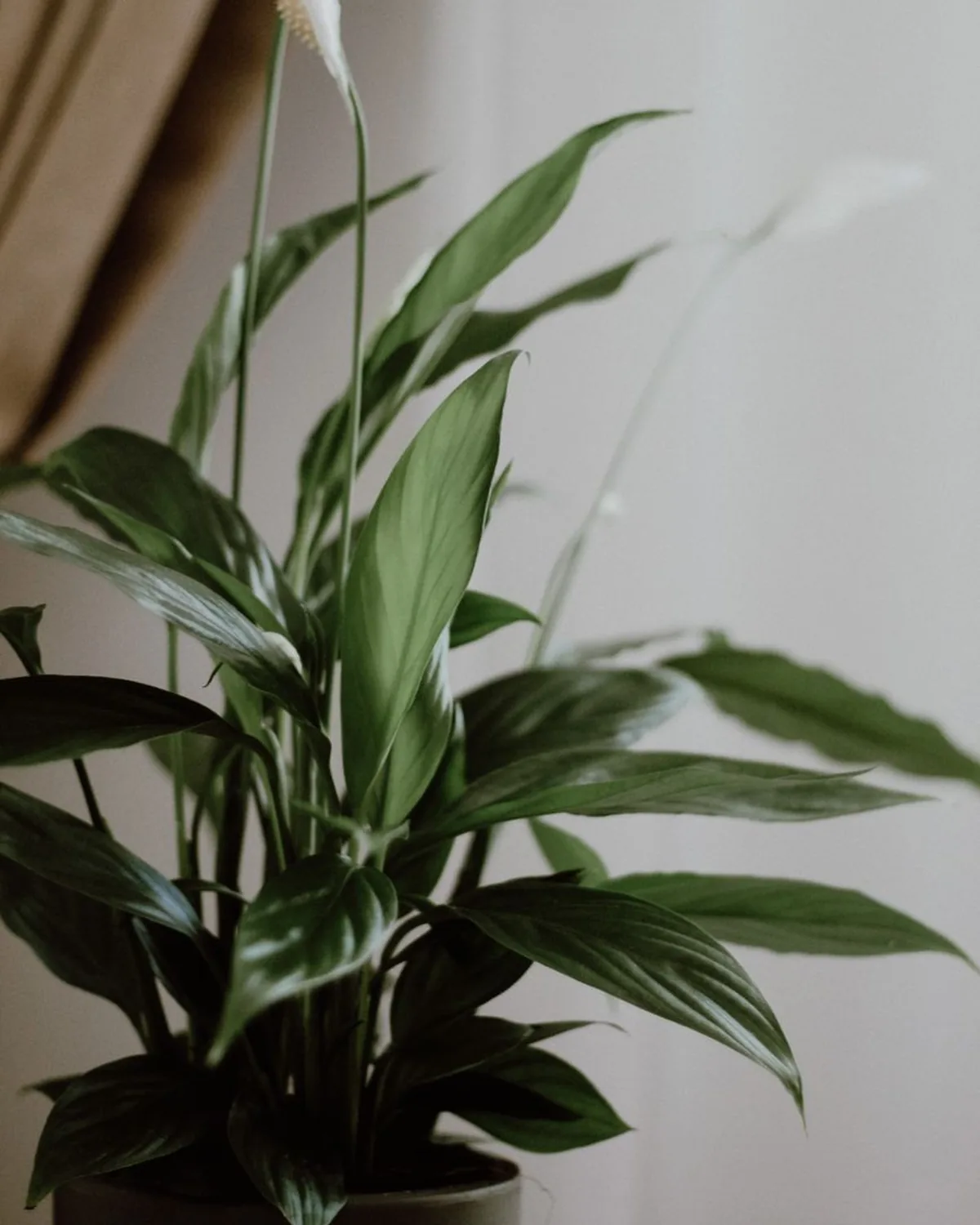
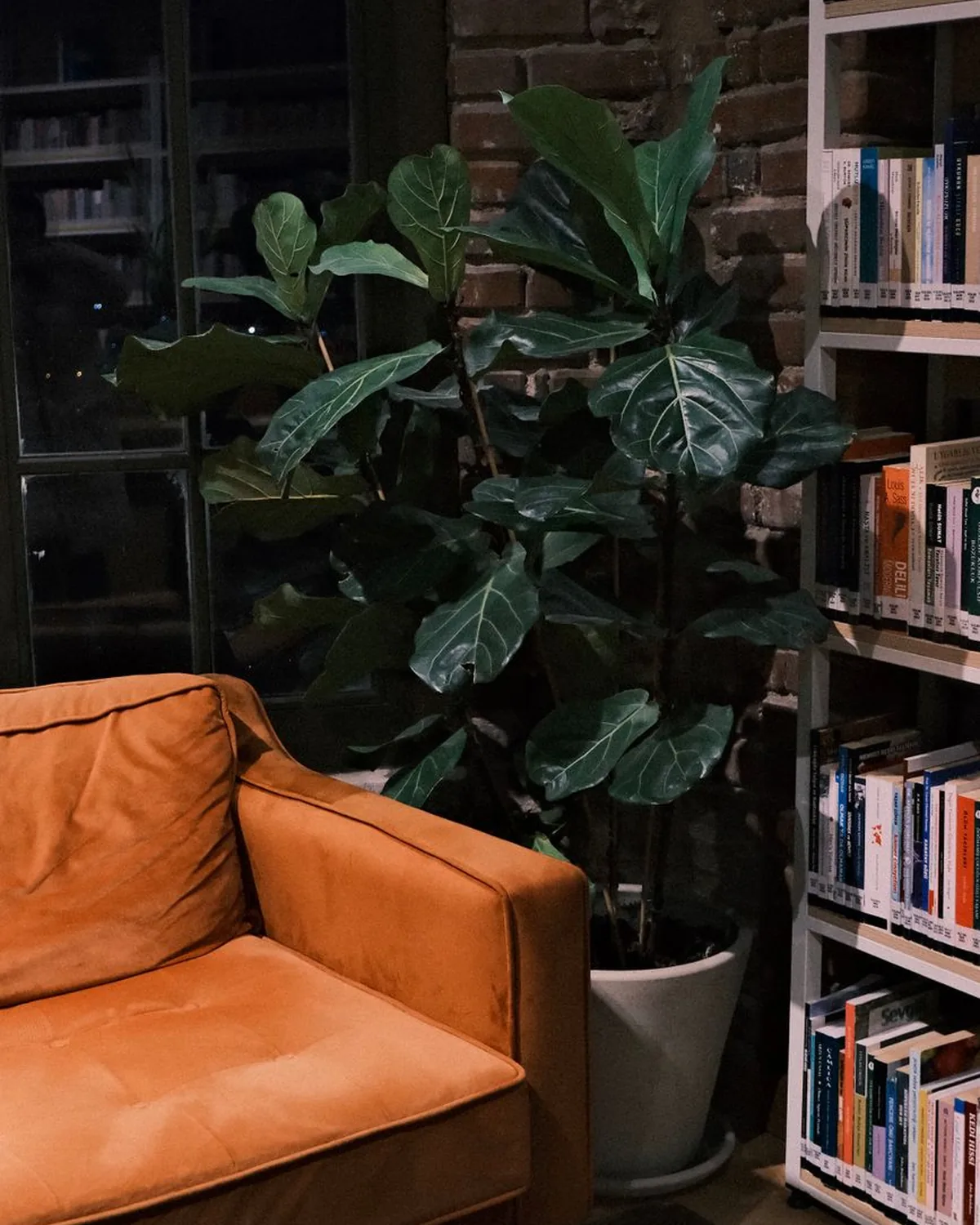
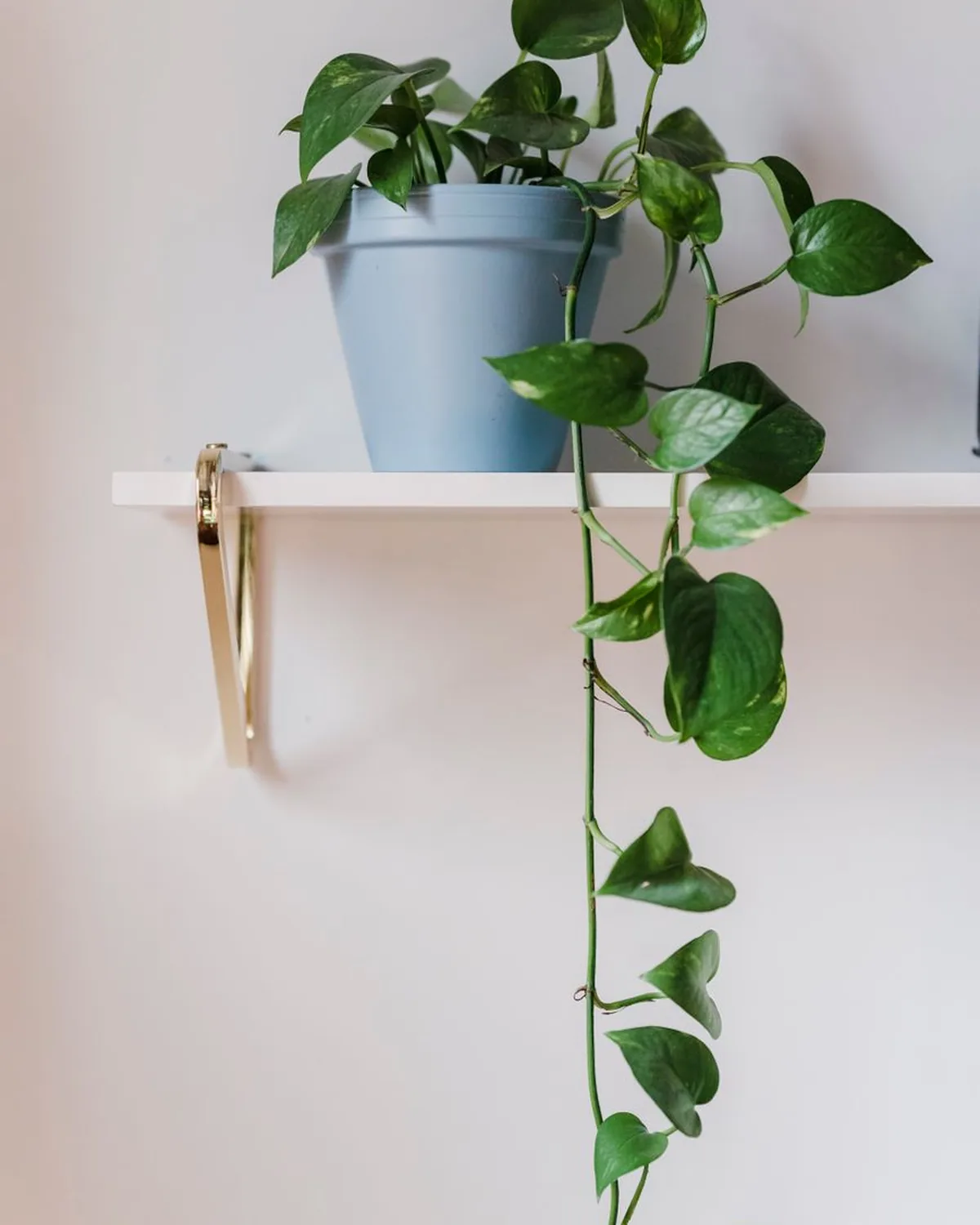
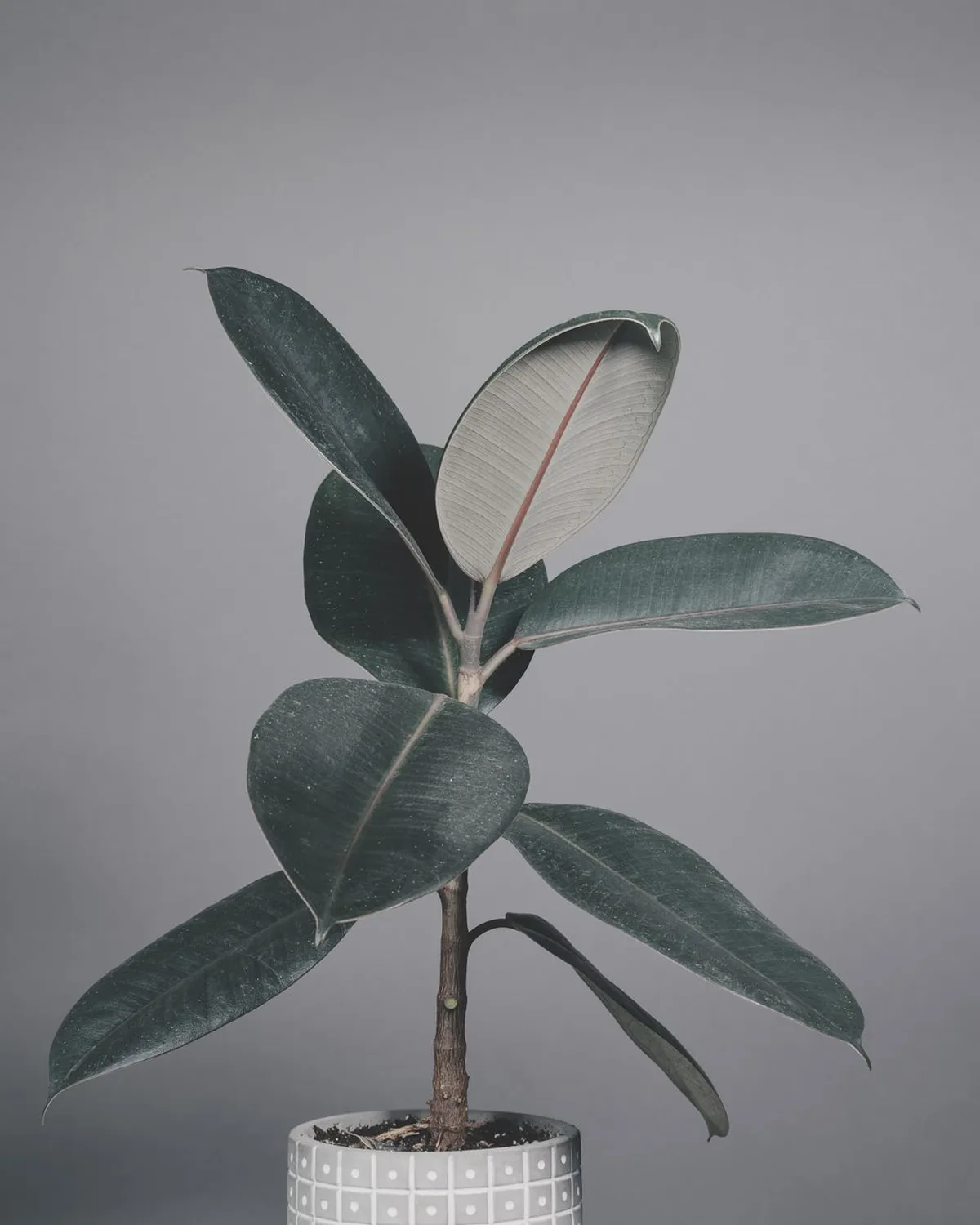
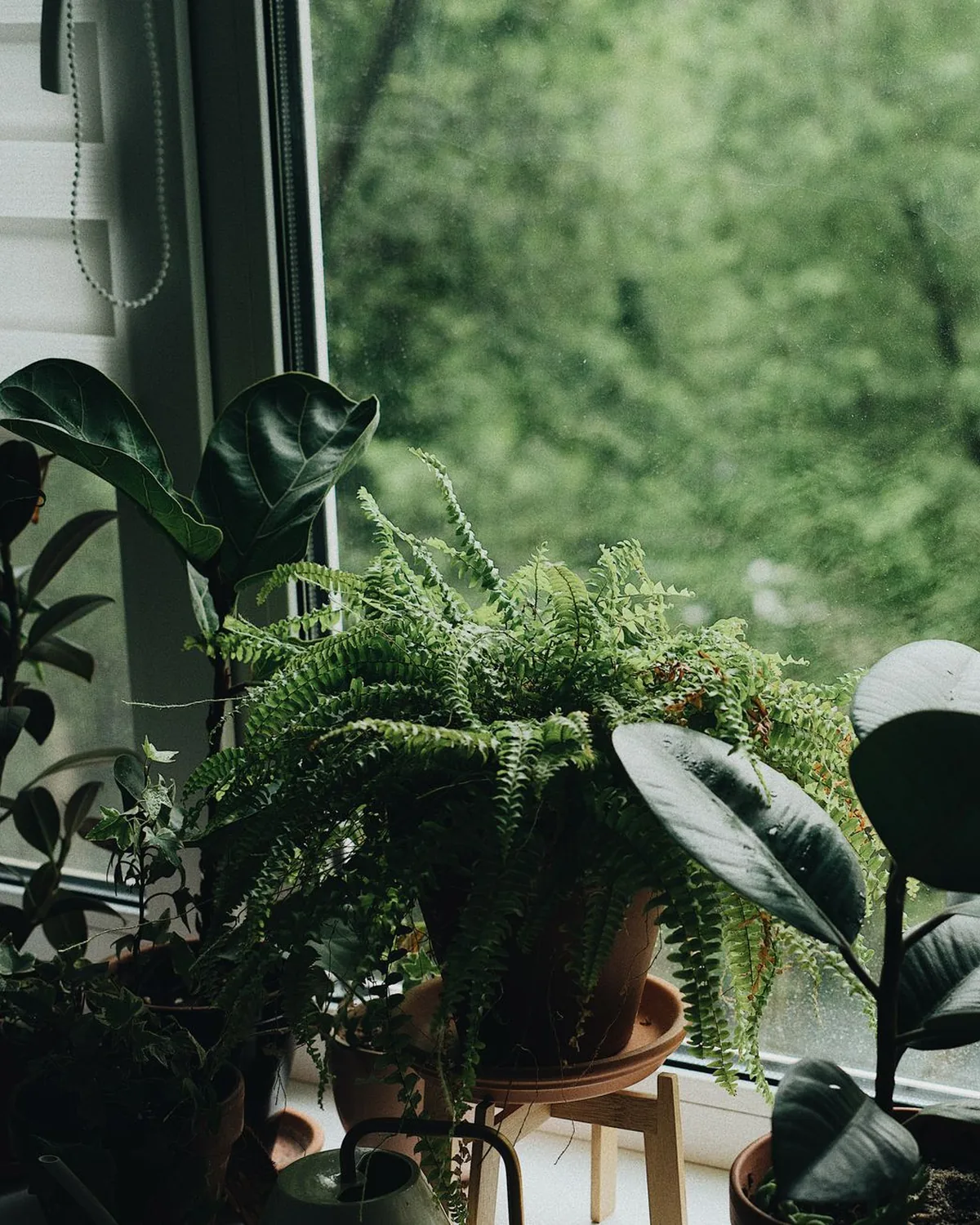
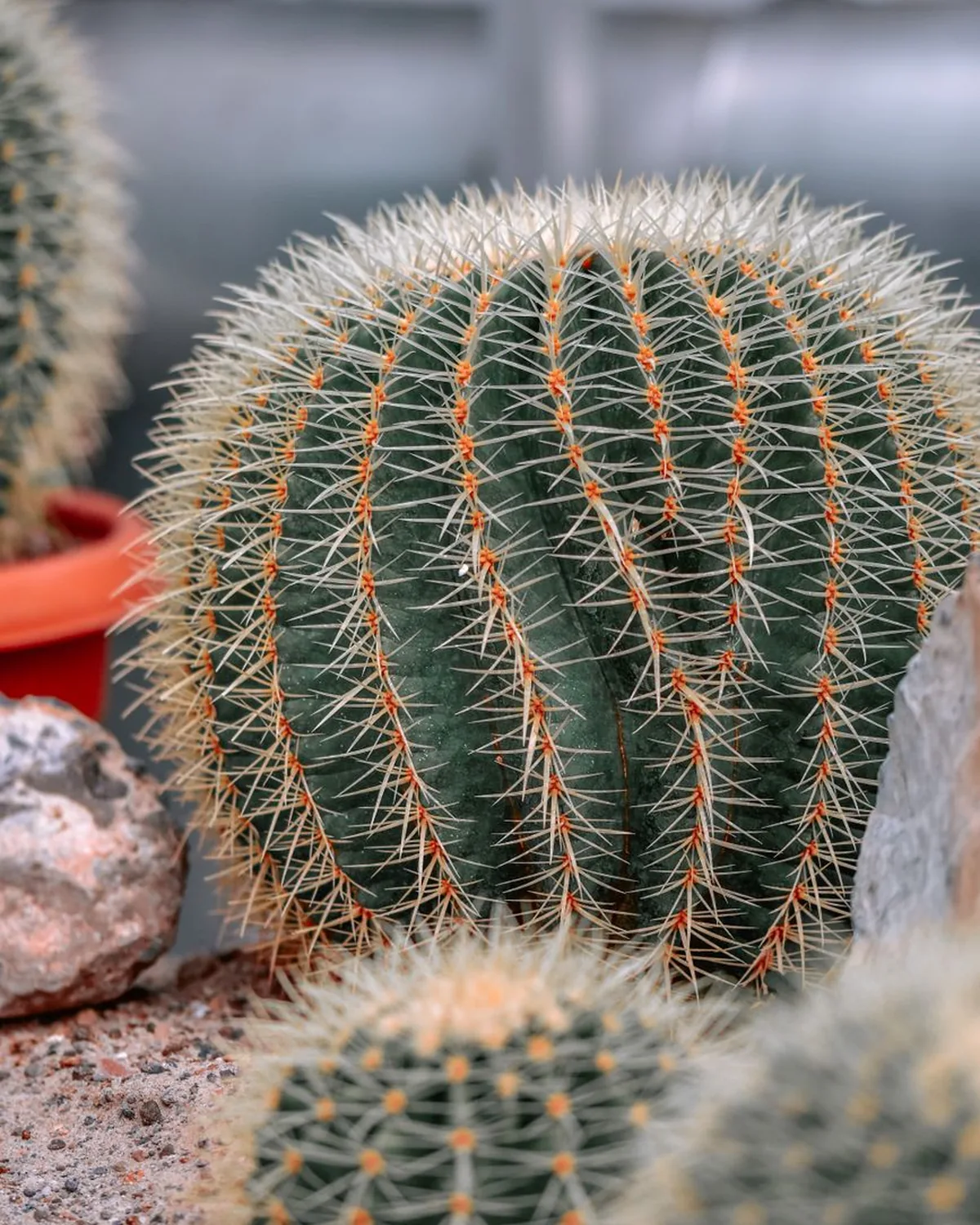
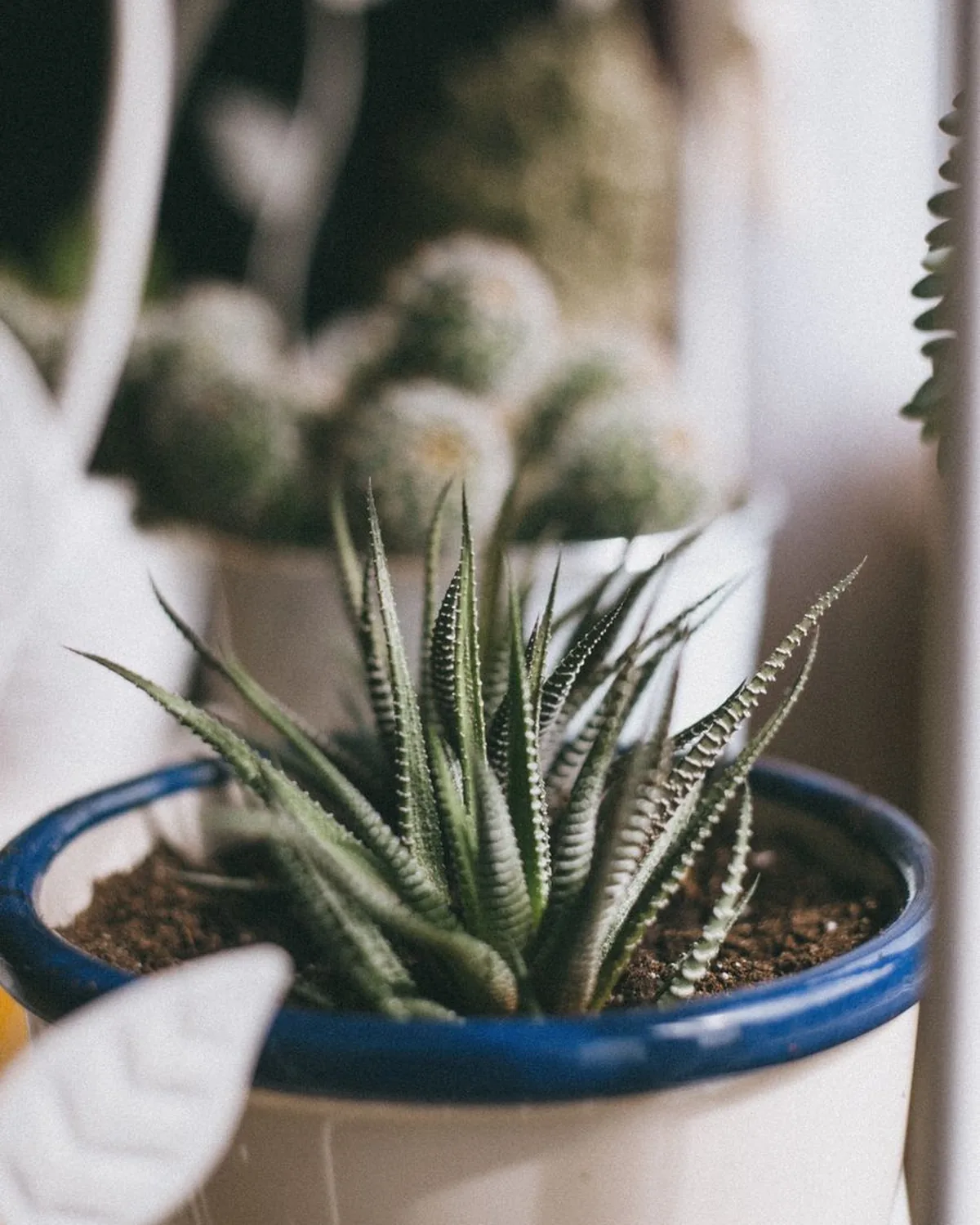
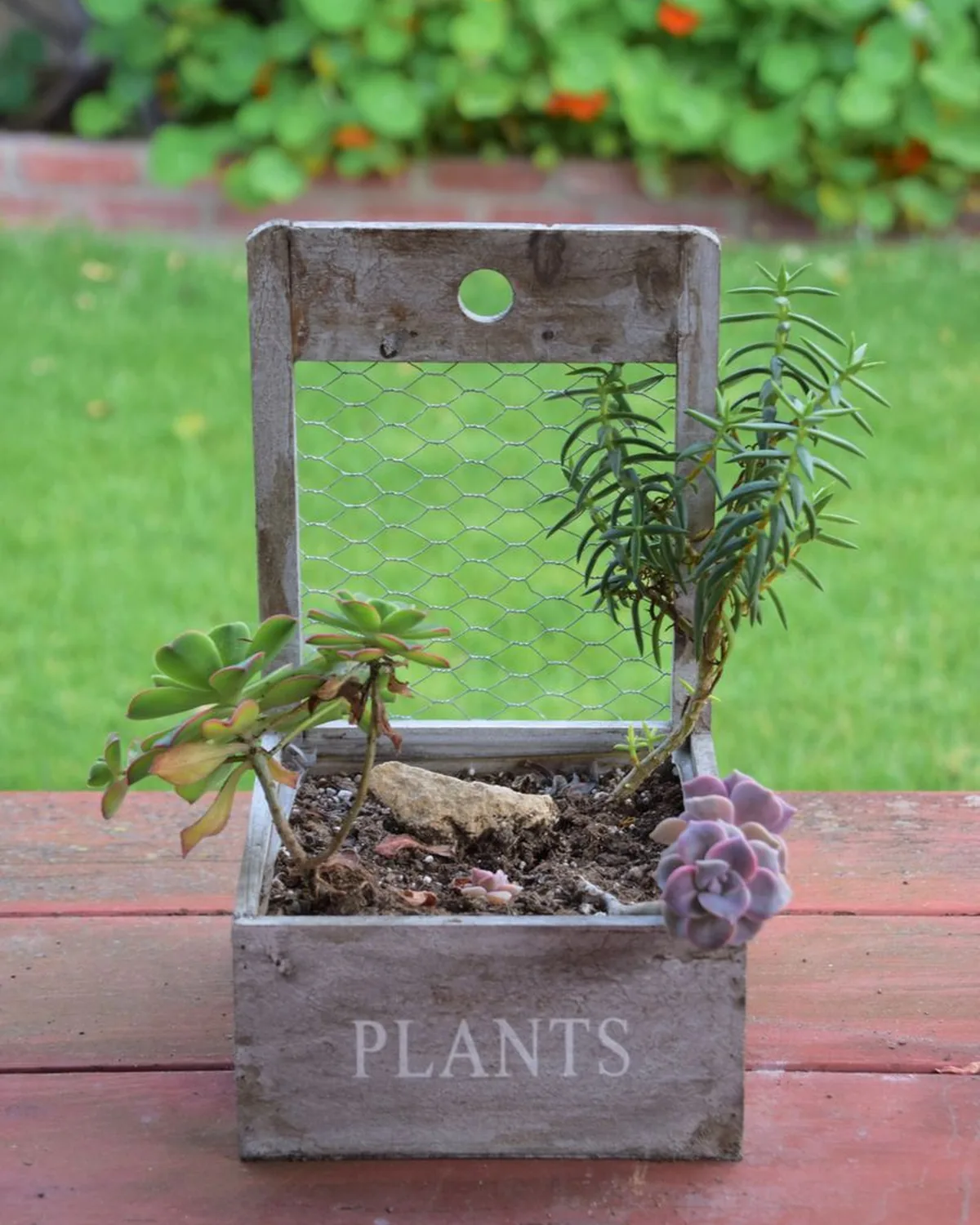
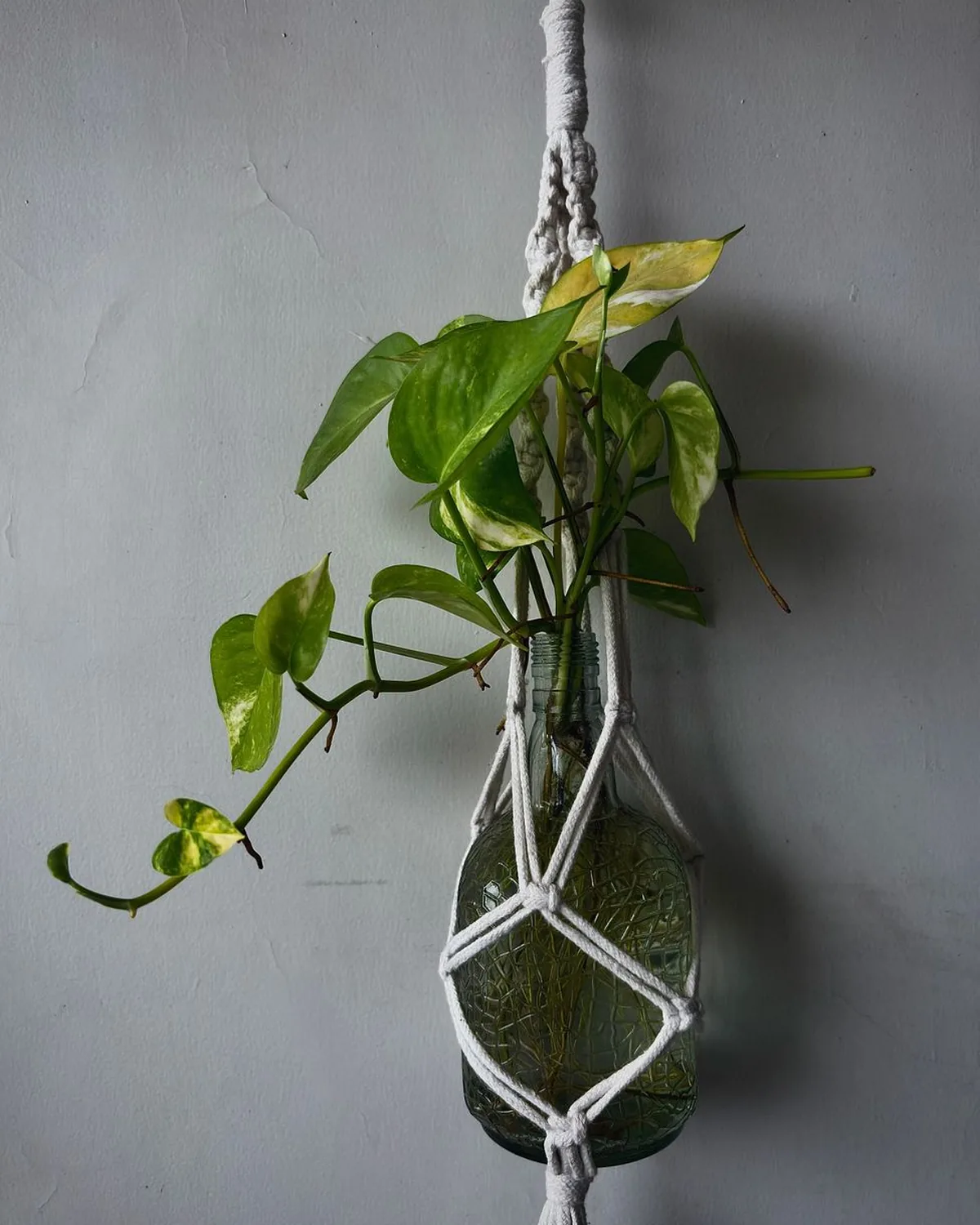
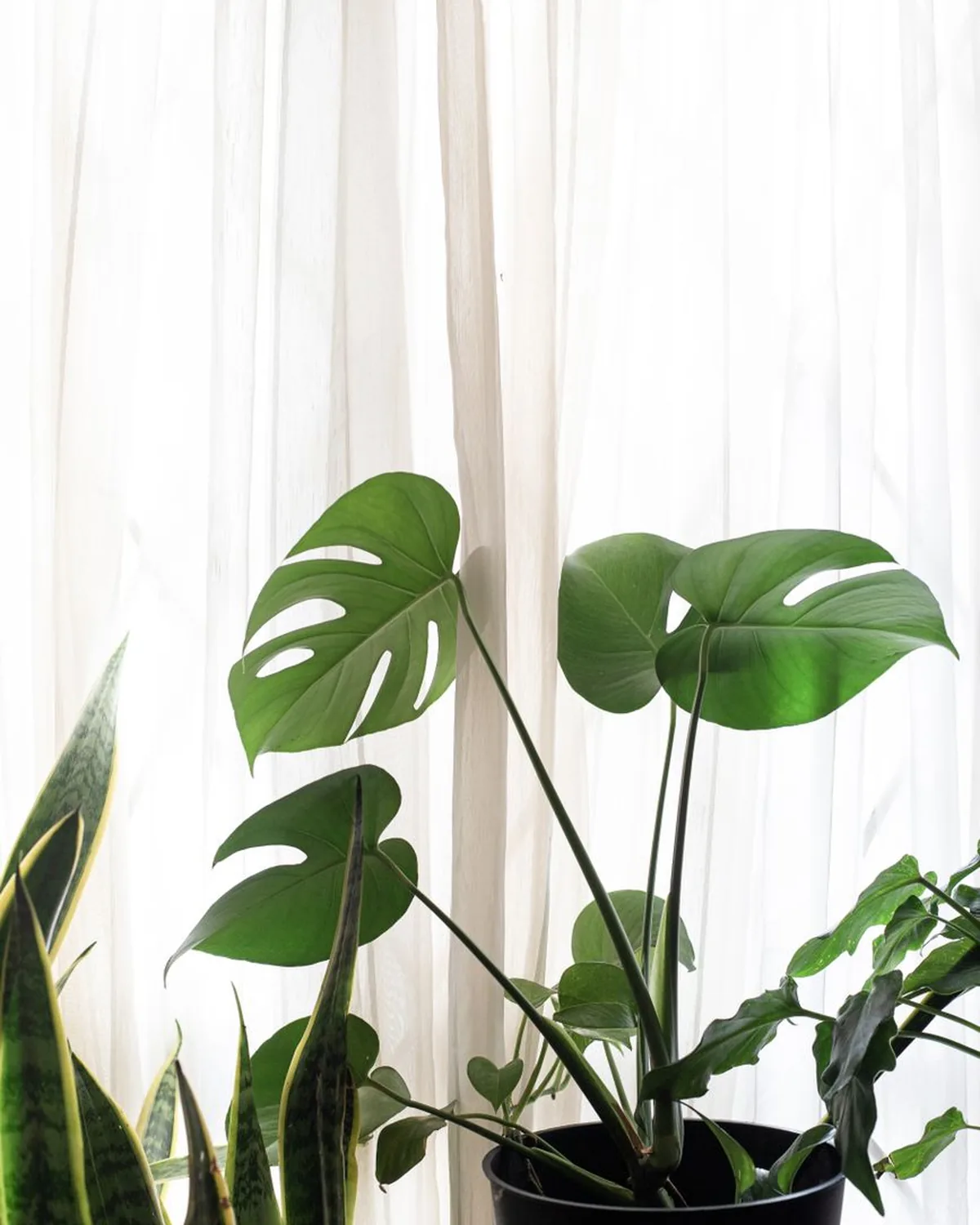
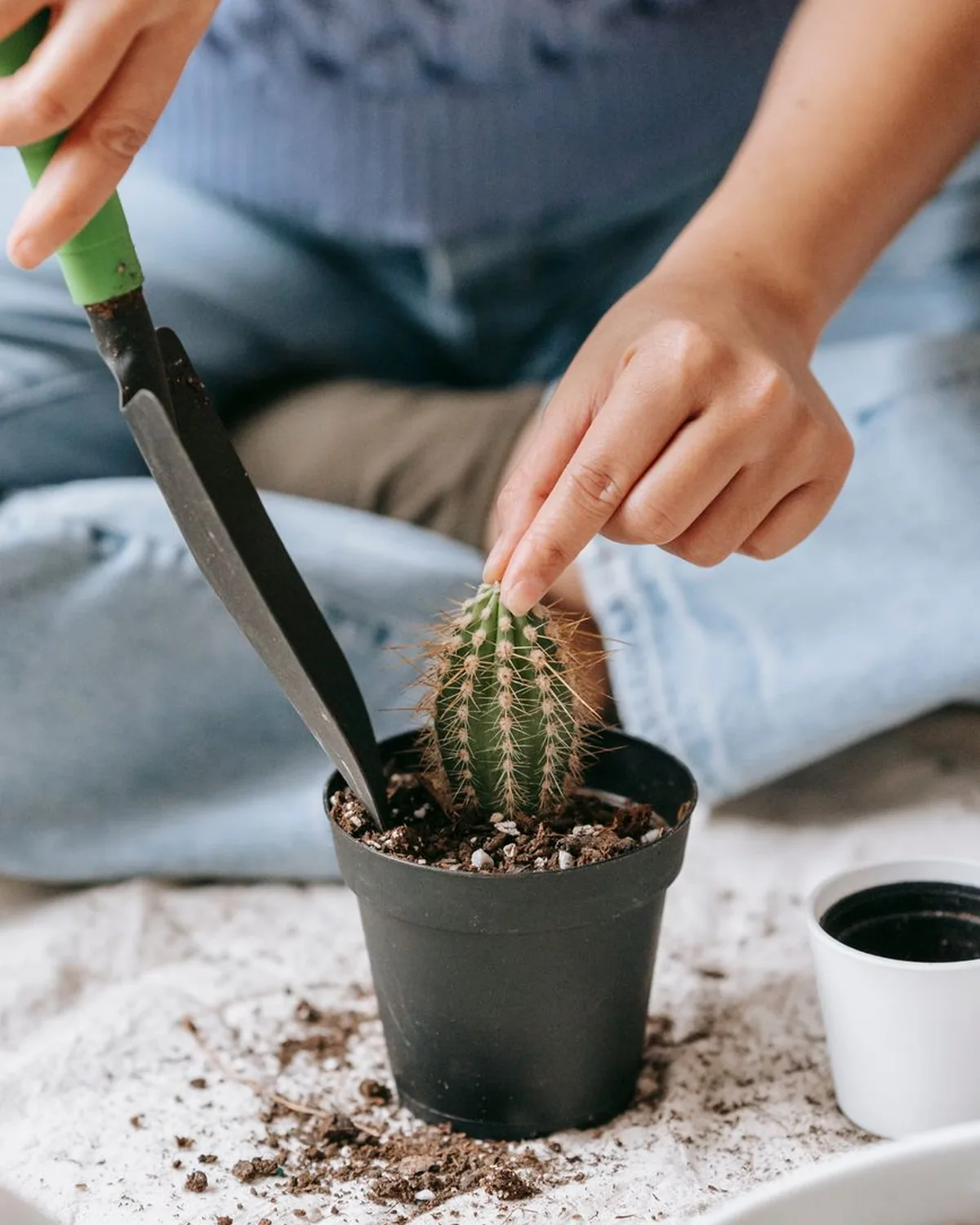
Succulents, cacti, snake plants and ZZ plants store water and prefer to dry out fully between drinks. In most homes that means every two to three weeks. Tropical foliage such as monstera, pothos and rubber plant like the top third of the soil to dry first, which is usually once a week in summer. Ferns and peace lilies prefer soil that stays lightly moist, so check them twice a week.
Adjust for the season
During the monsoon the air is humid and pots dry slowly, so water less. In peak summer you may need to water twice as often, ideally early in the morning. In the cooler months growth slows and most plants need about half their summer water.
Read the leaves
Yellow, soft lower leaves and a sour smell mean too much water. Crisp brown edges and soil pulling away from the pot mean too little. Drooping can mean either, so always check the soil before you reach for the watering can.
A few useful habits
Use room temperature water. If your tap water is hard, leave it in an open can overnight. Water the soil, not the leaves. And when in doubt, wait a day. A thirsty plant recovers in hours, but a drowned one takes weeks.