Observe
Weeks of walking the same street at the same hour, with no camera, until the place stops performing for me.
001PHASE/TILT
002PHASE/SPLIT
003PHASE/HOLD
004PHASE/LET GO
IDXAK 2026 · MUMBAI
I take imagesapart to see whatholds them
Oblique is the studio of Arin Kade. I work across photography, motion and objects, usually on one idea for a long time: the moment before a person or a place decides how to be seen.
Commissions for magazines, brands and galleries keep the lights on. The self-initiated series end up on the wall, and a few become limited editions.
See the work →( 02 ) Selected frames
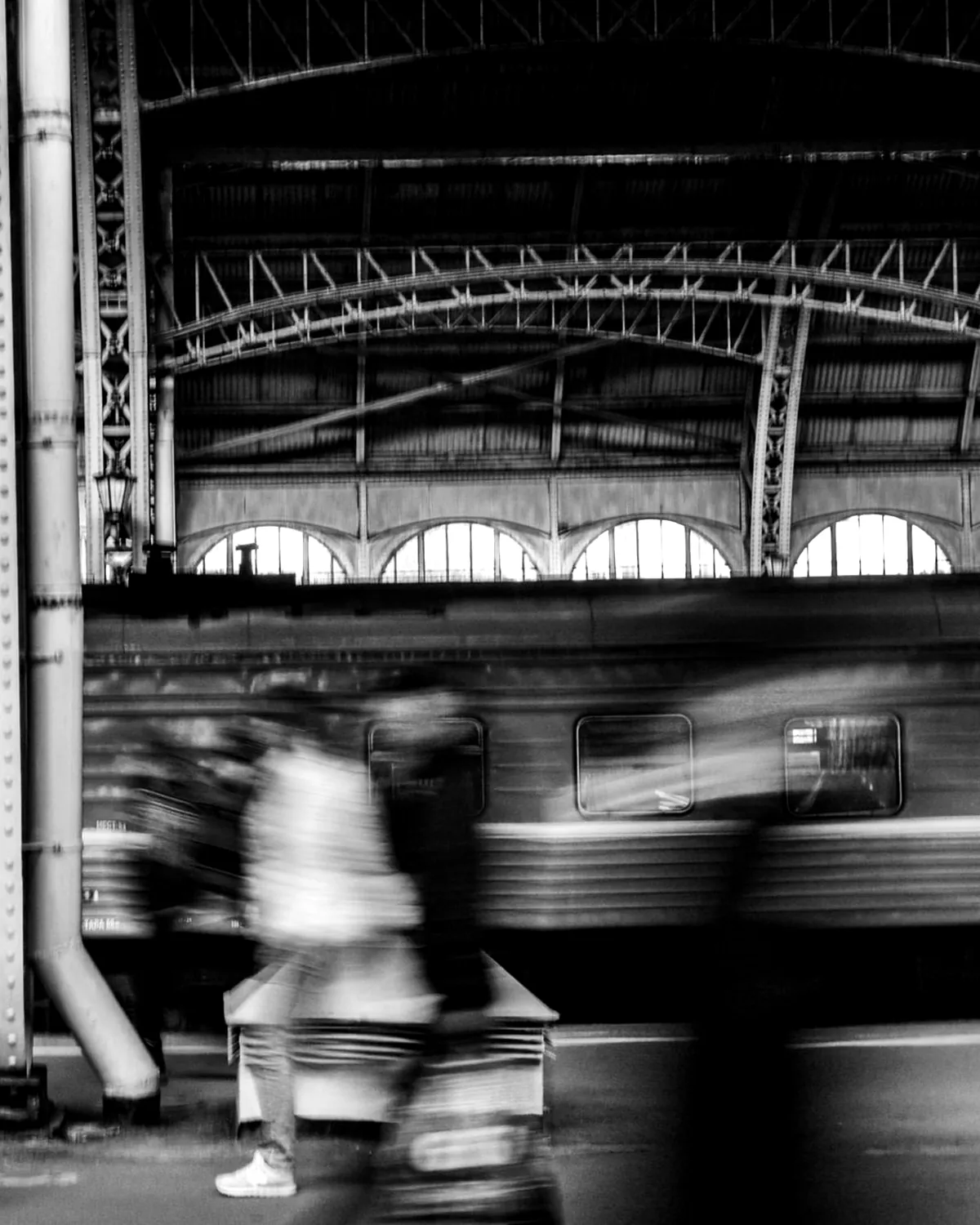
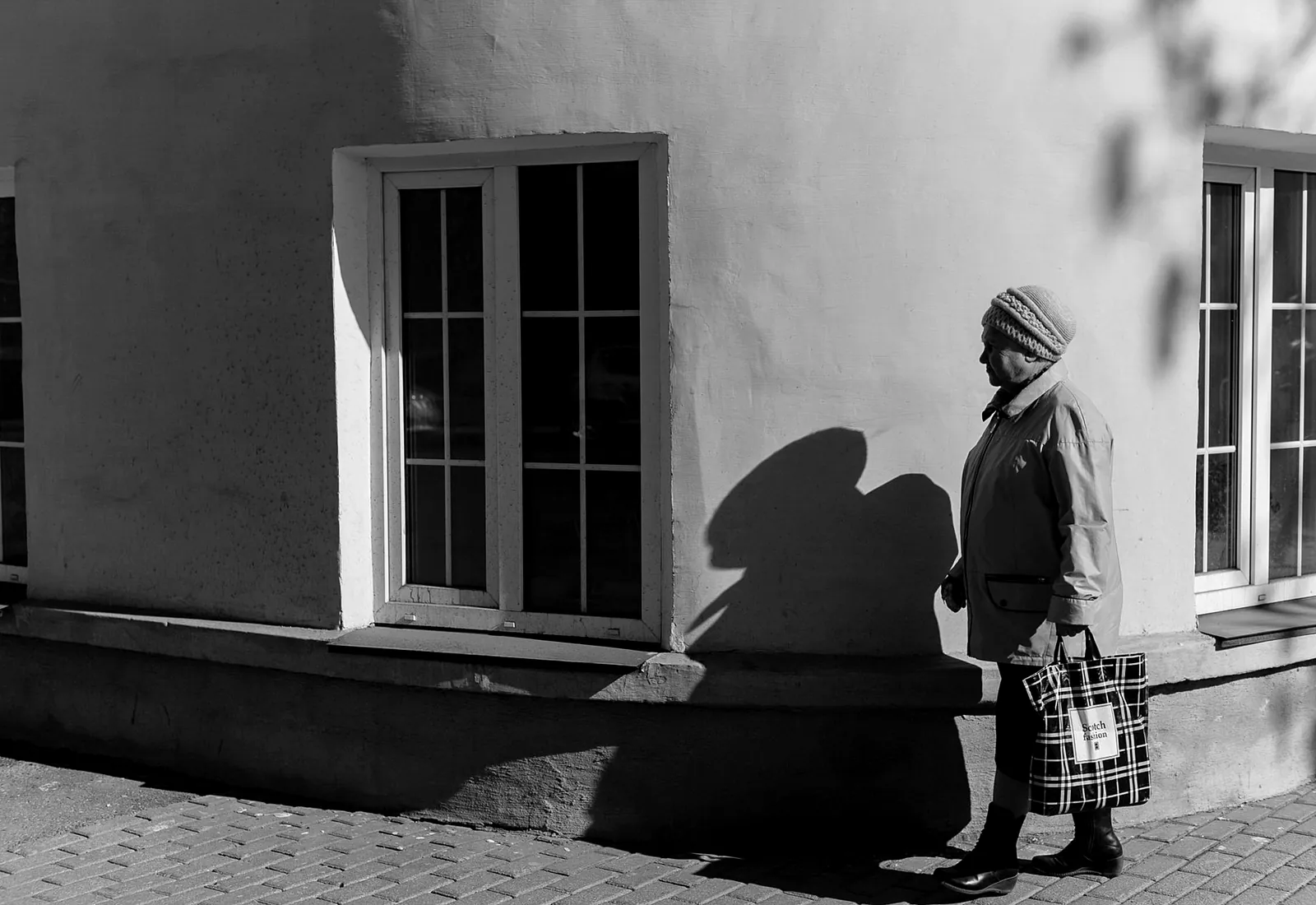
A pause between platforms
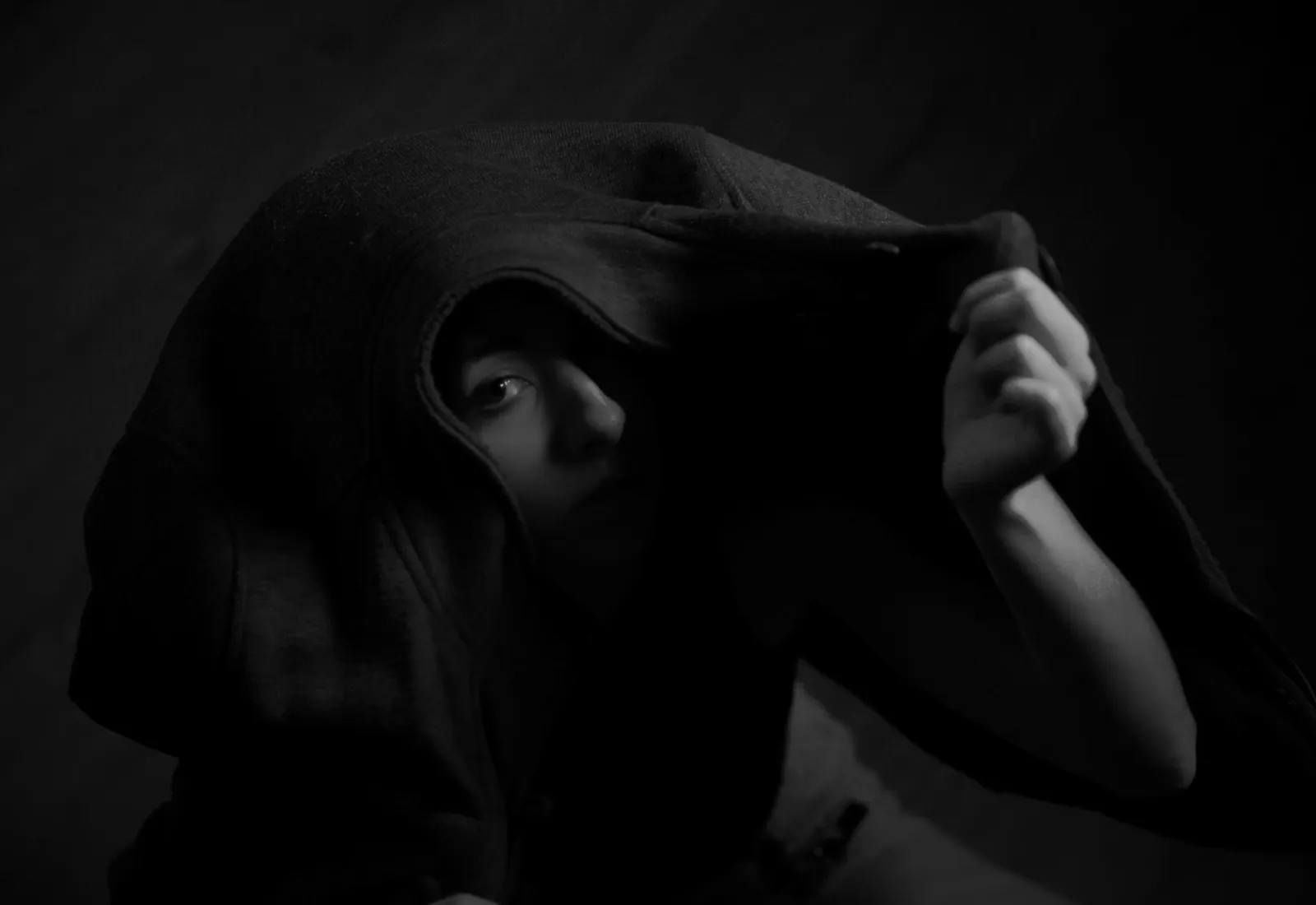
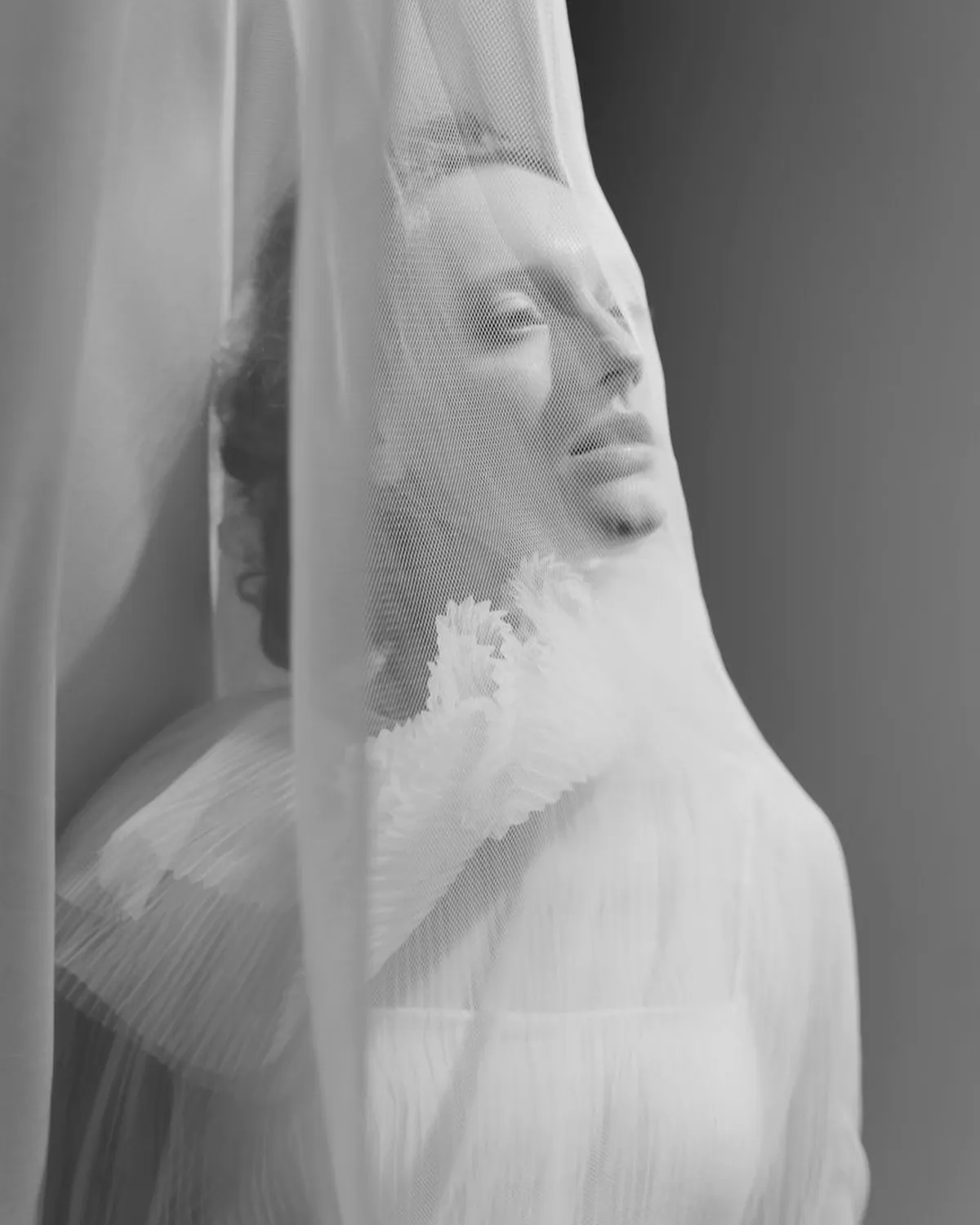
Concealment as a kind of power
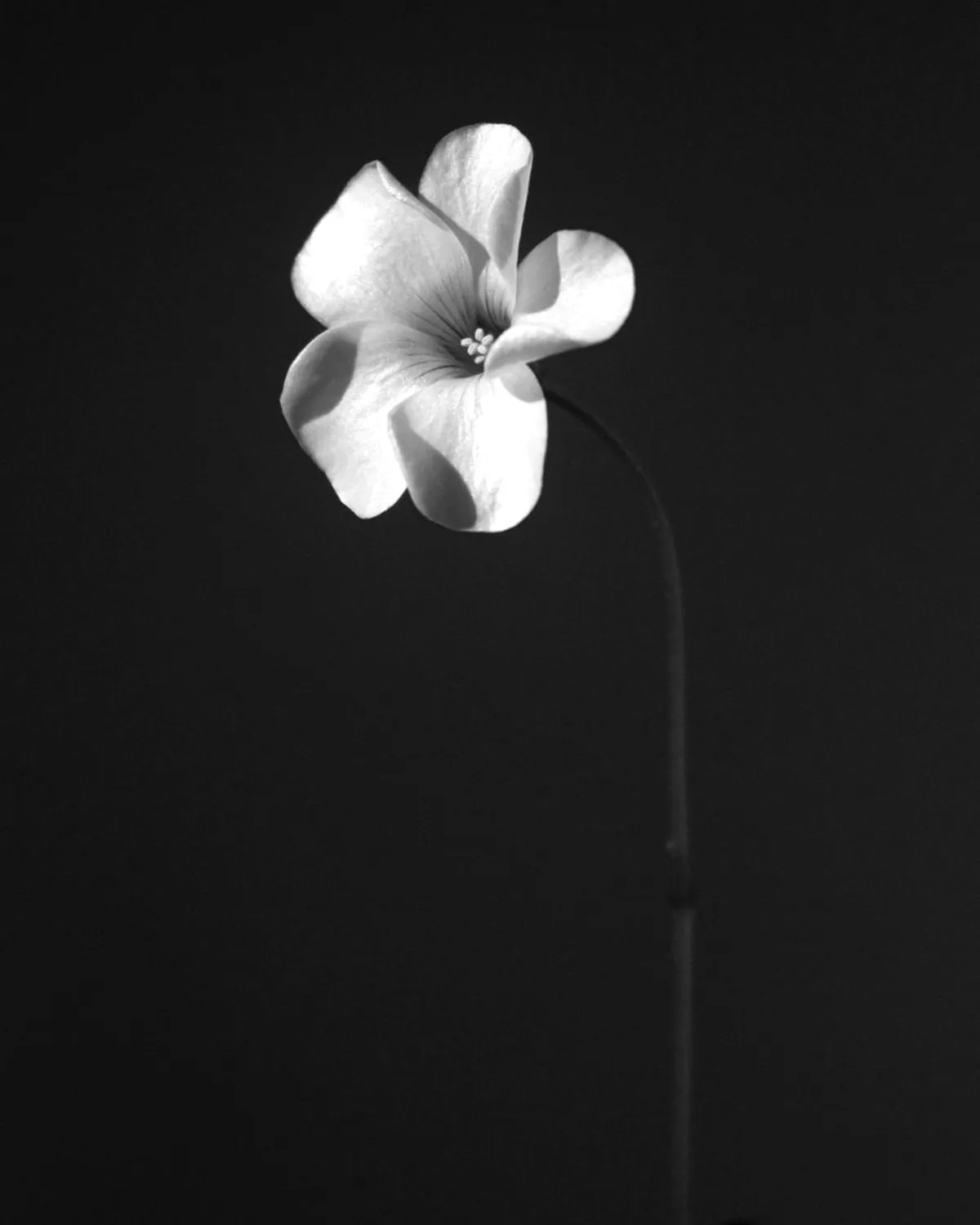
Quiet strength in full bloom
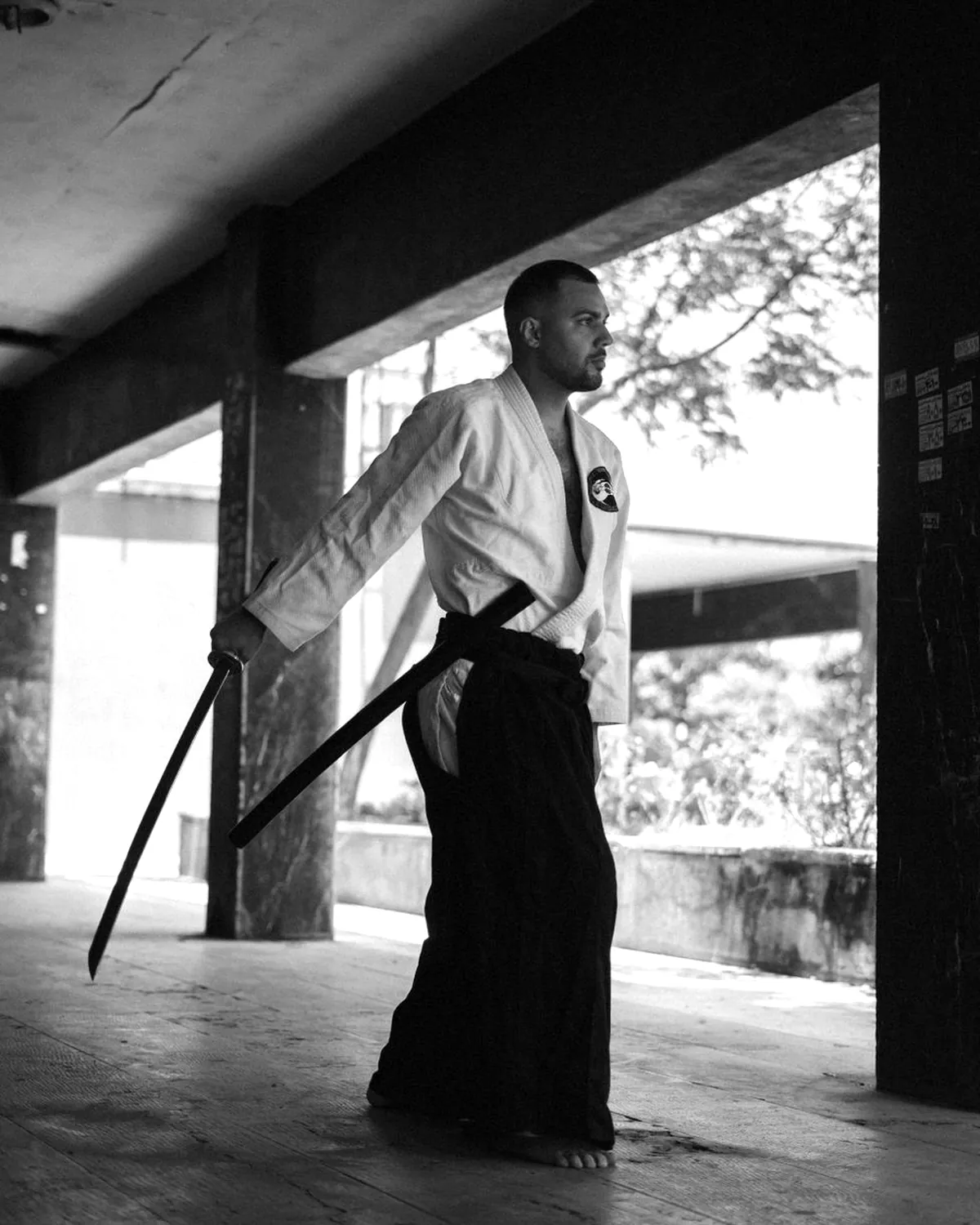
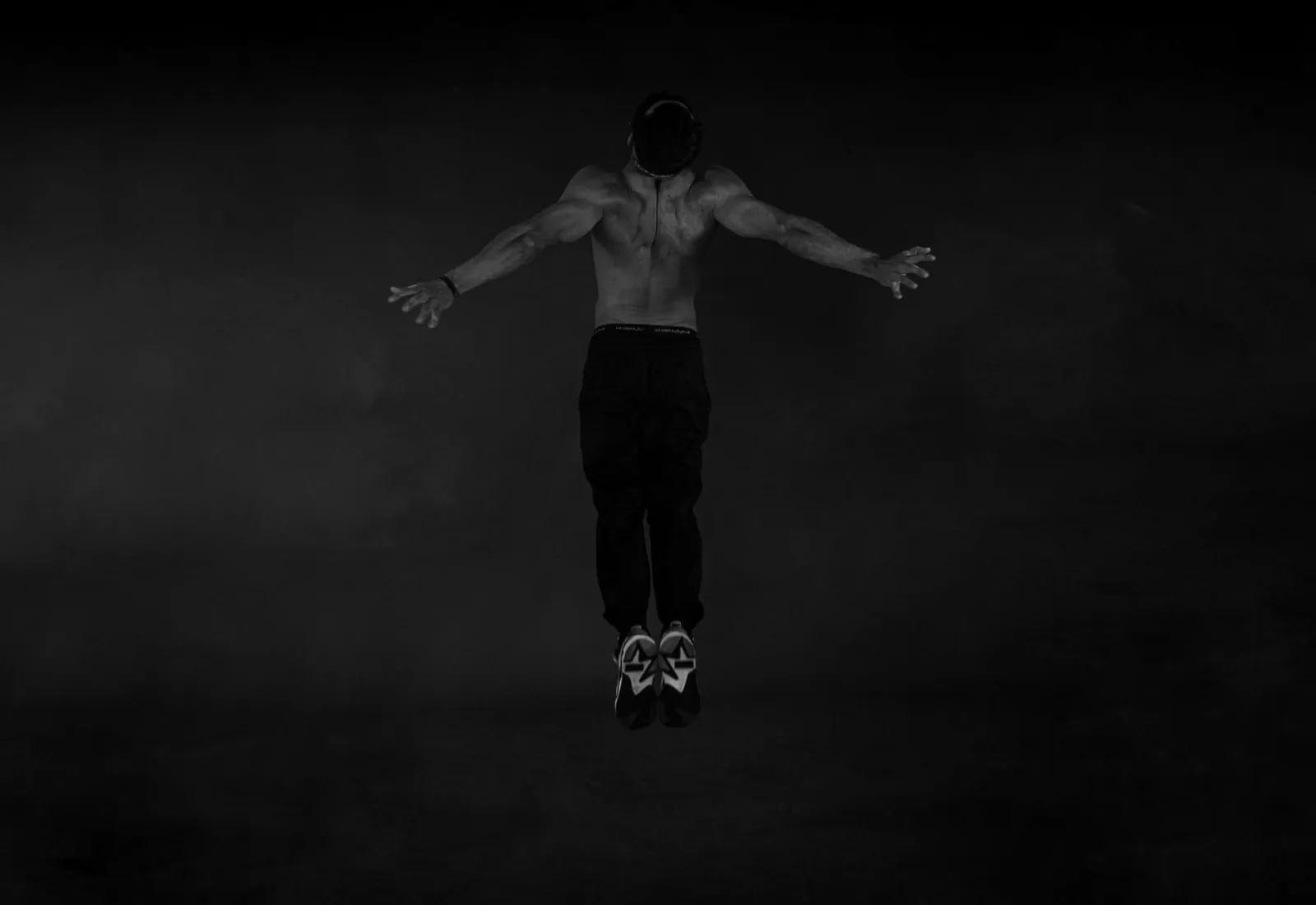
Discipline, held in motion
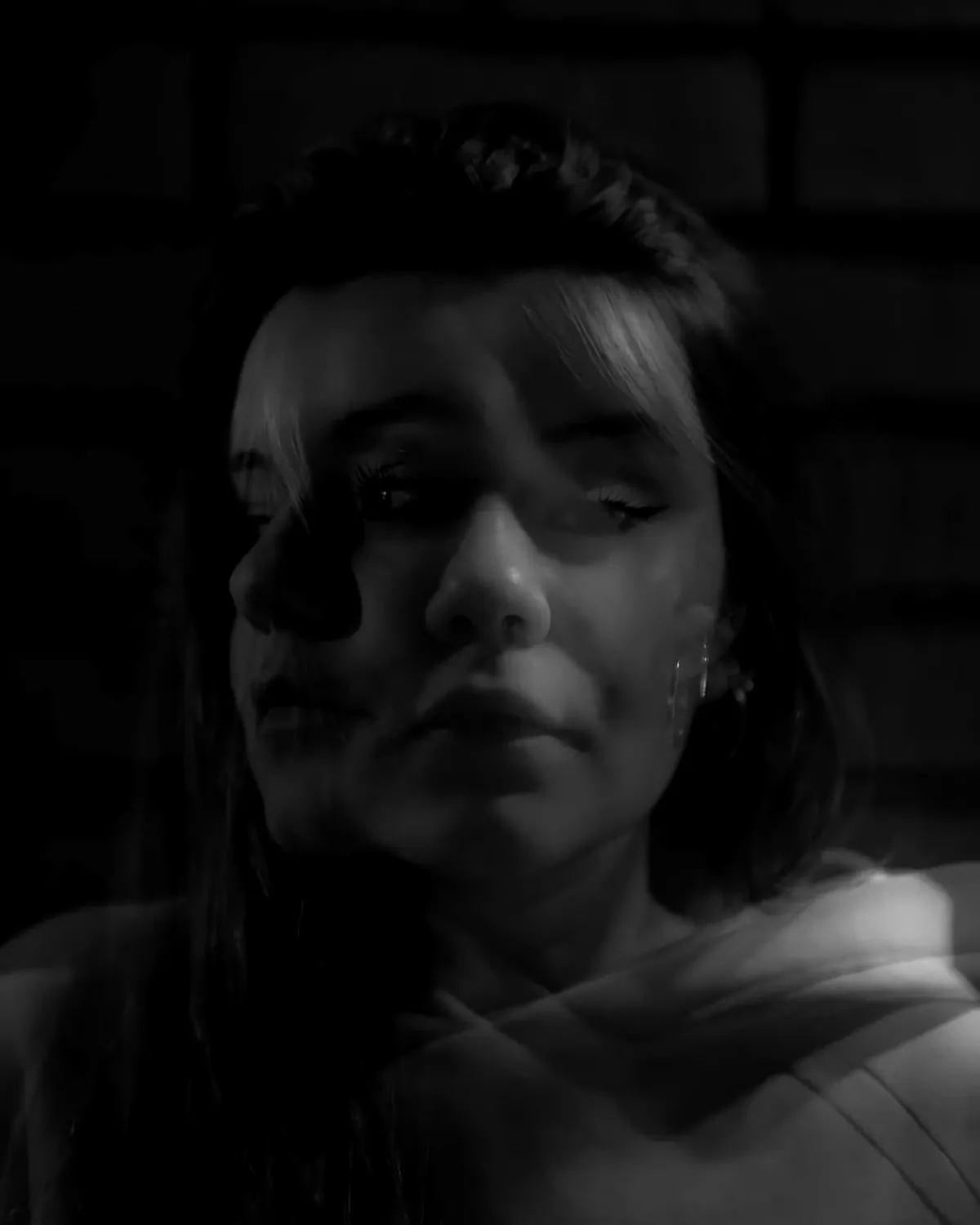
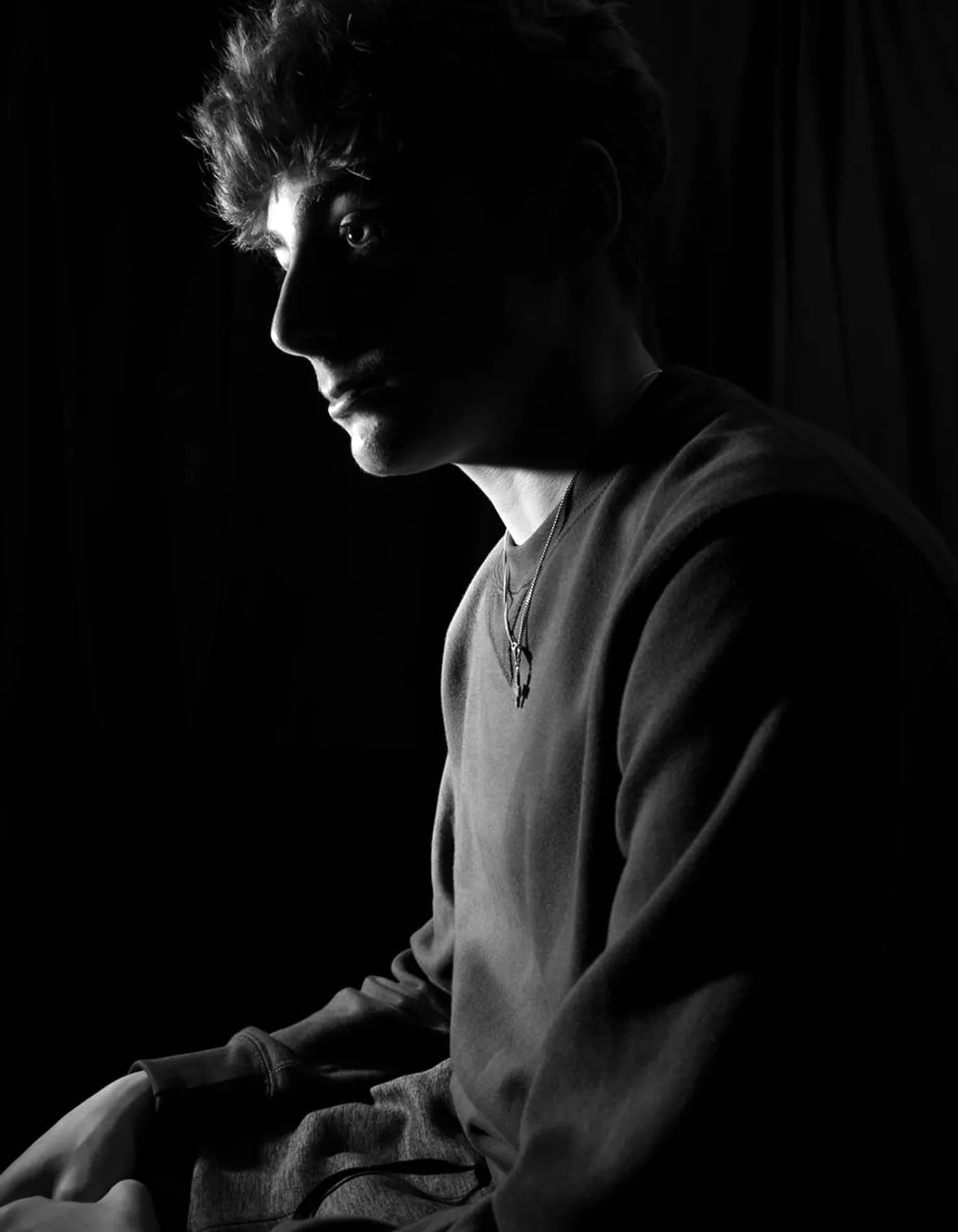
Who you were, and who remains
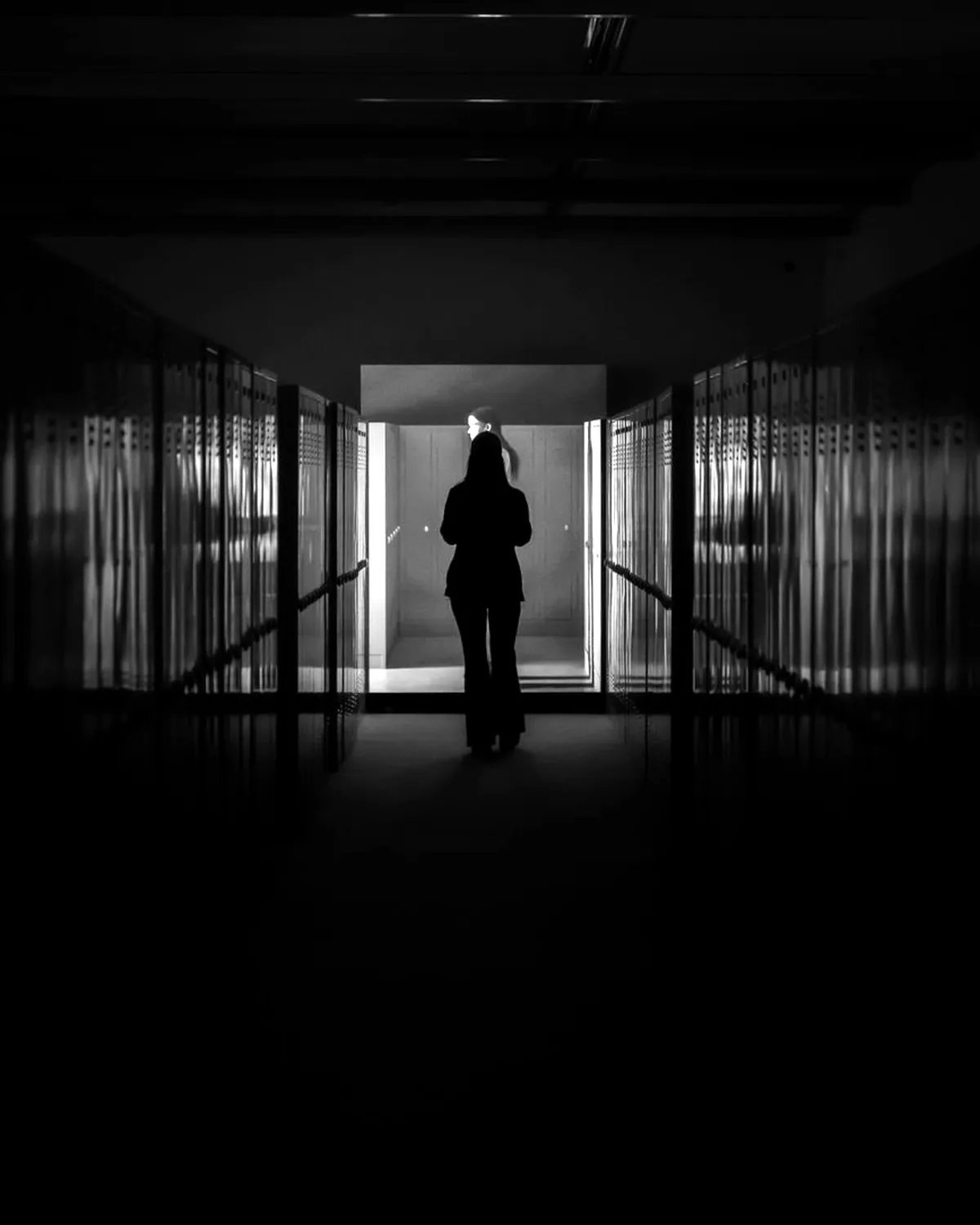
Silence shaped into form
( 03 ) Concept
Every series starts as a mistake I could not stop thinking about: a blur that read like weather, a shadow that arrived before its owner. The work is in deciding which mistakes to keep.
Weeks of walking the same street at the same hour, with no camera, until the place stops performing for me.
Shoot against the obvious frame: wrong lens, wrong light, long exposure where a snapshot would do.
The edit. Prints on the studio floor, walked like a sentence, until the sequence can argue its case.
Proofing, editioning and hanging. The work leaves the studio only when the black holds detail.
Forty-one frames from the 06:12 slow local, sequenced as one long breath. The study that turned into a book dummy, a wall and three editions.
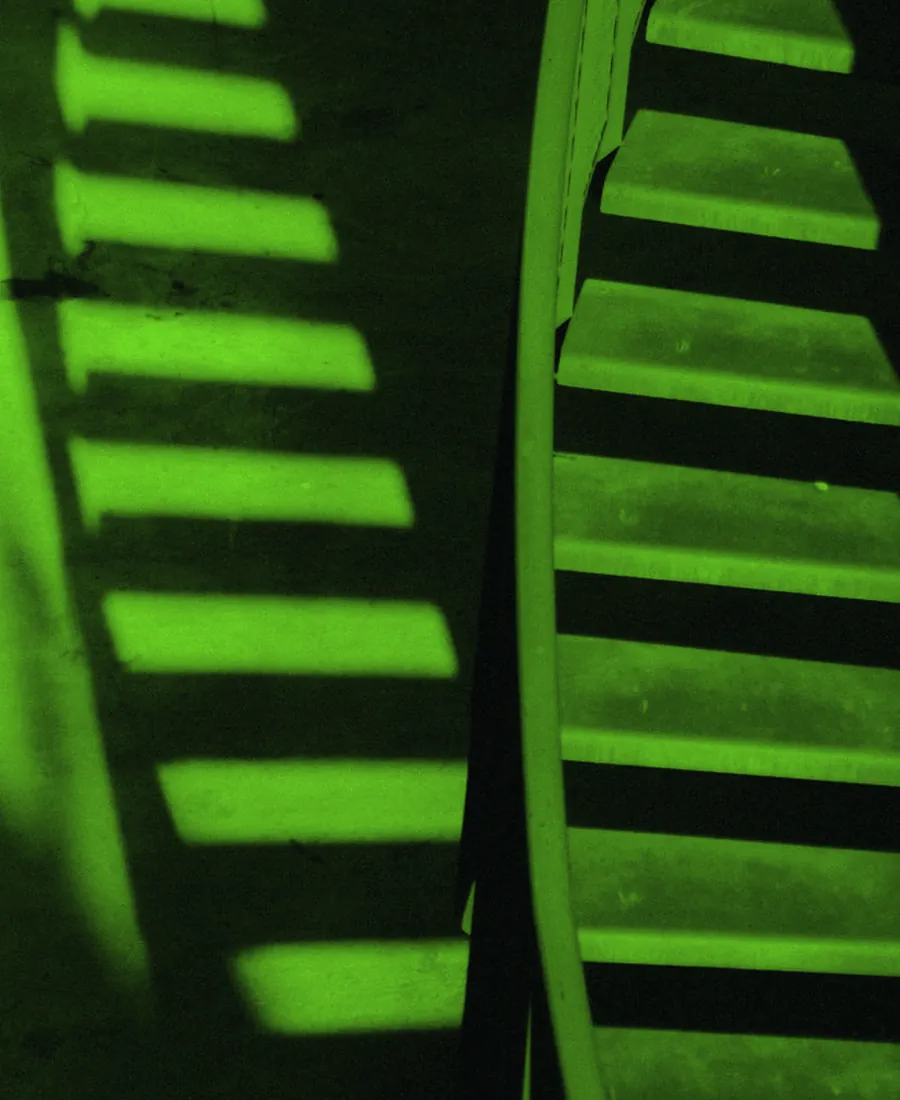
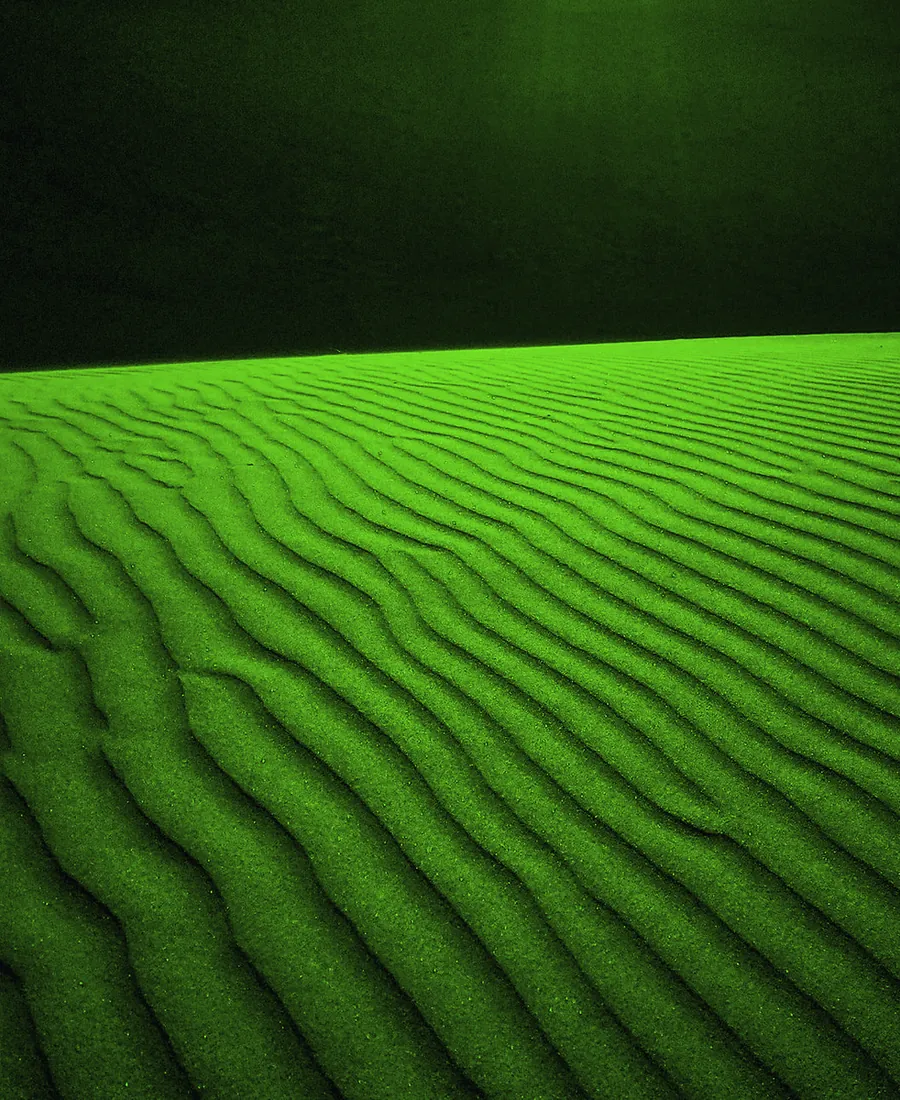
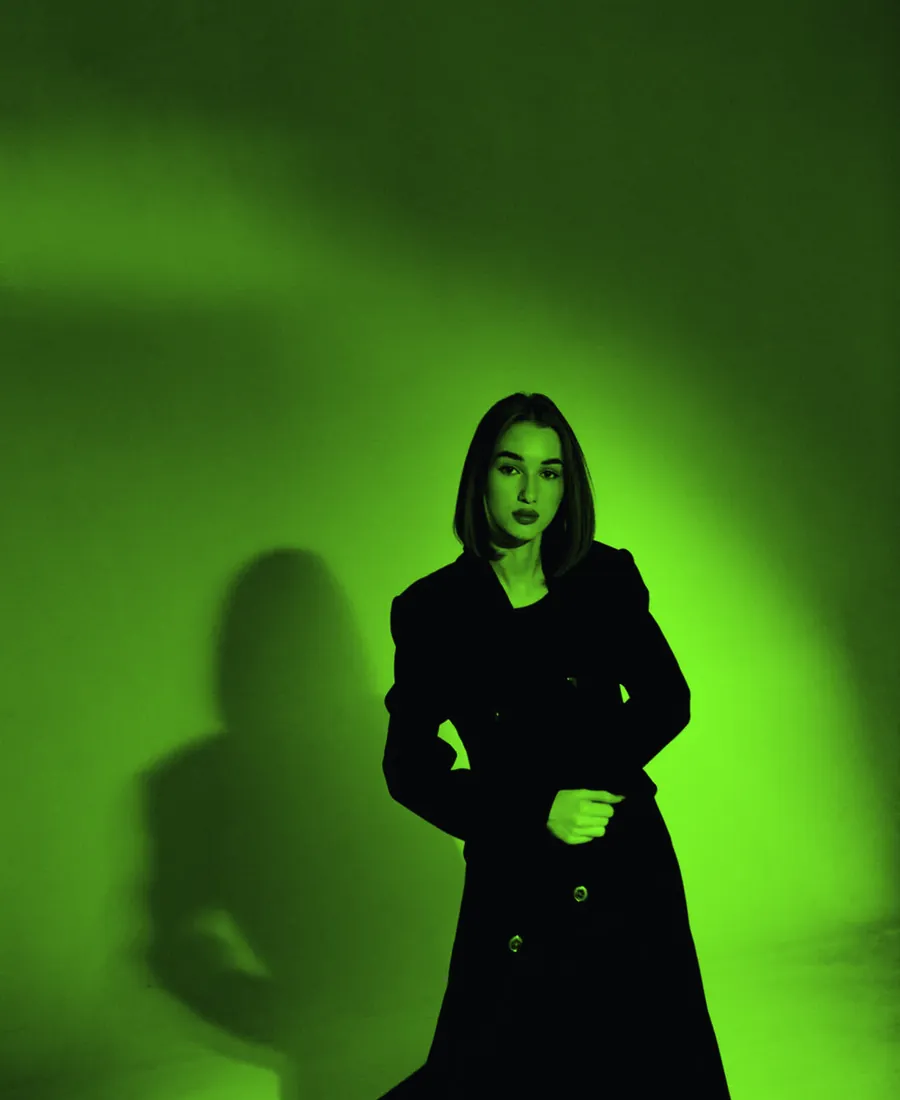
Five kinds of work, one practice. Scroll and the marker follows; each line opens its part of the archive.
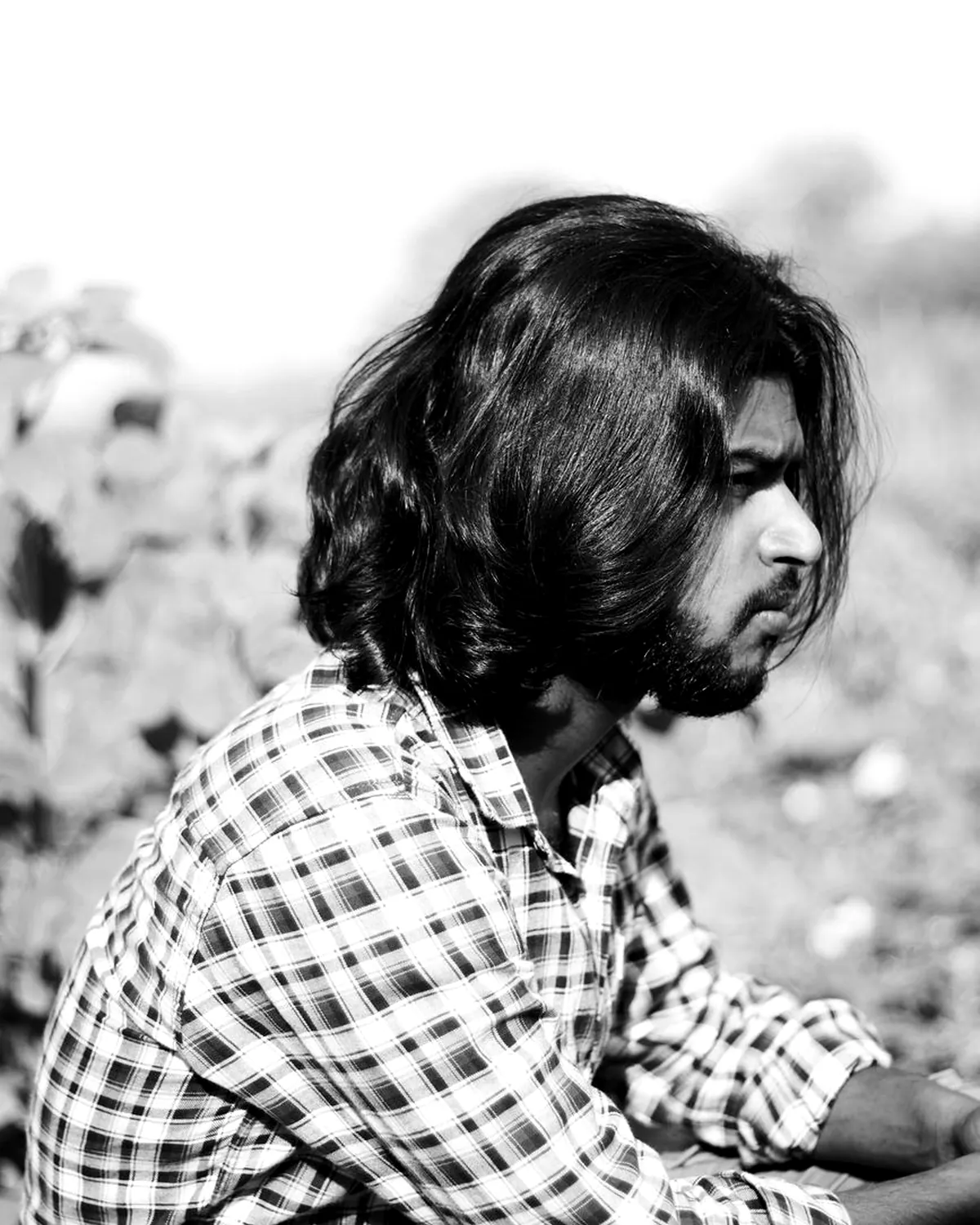
Street, portrait and the slow local. Mostly 35mm, mostly black and white, almost always at dawn. (3 projects)
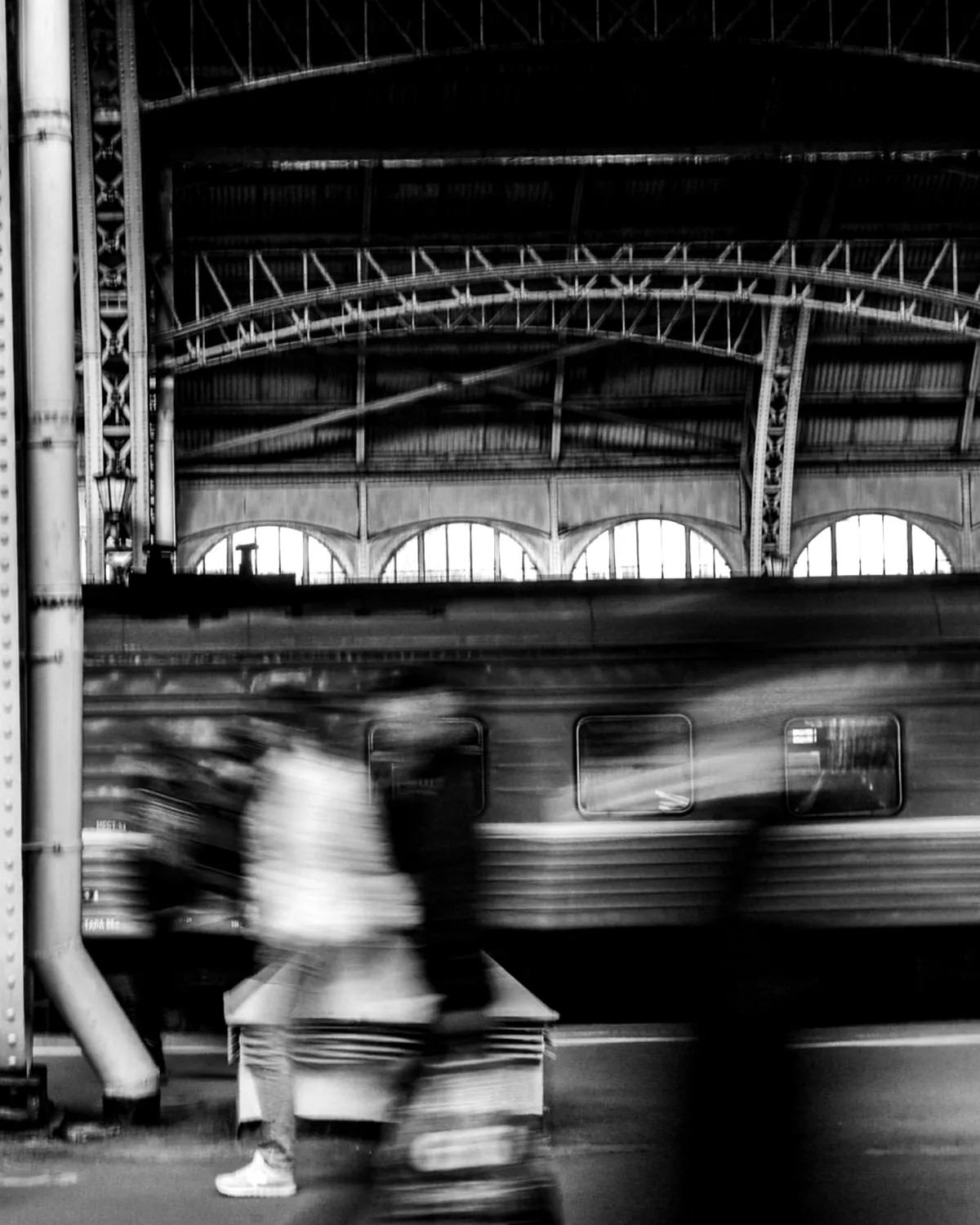
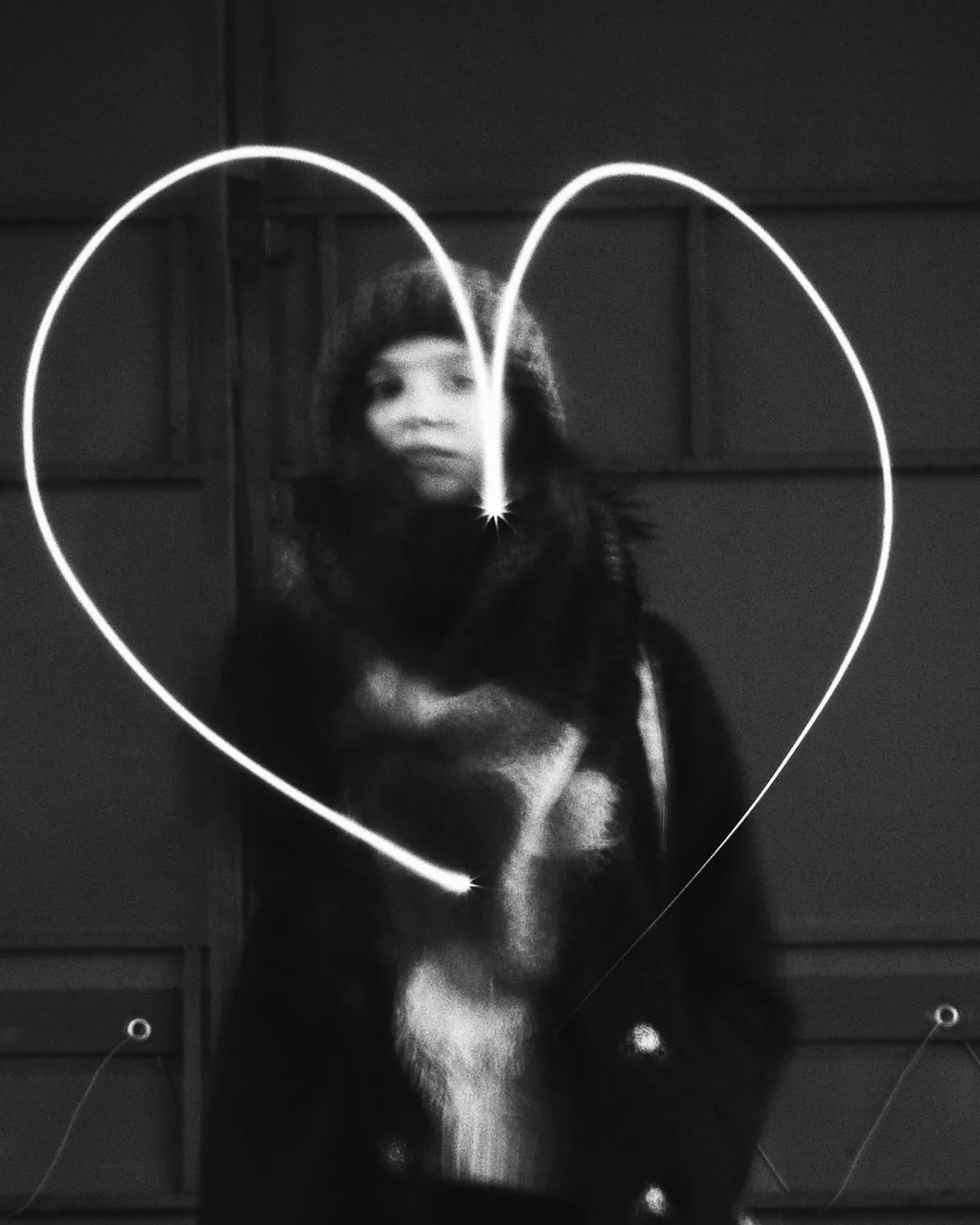
Short films and loops: martial arts in Osaka, a monsoon week in Mumbai, light dragged across a wall. (1 project)
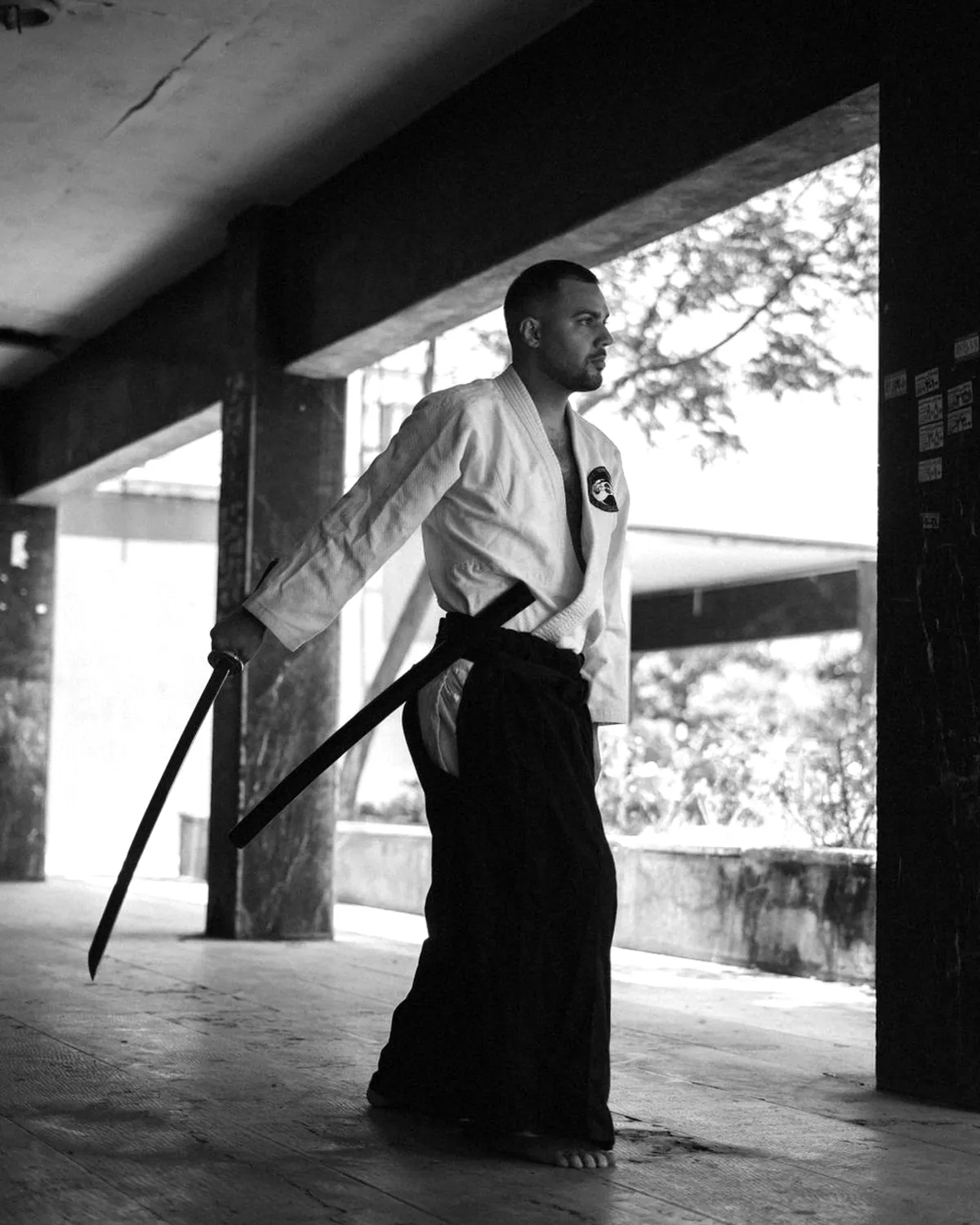
Folded paper, pressed flowers and the occasional sculpture that started as a test print. (1 project)
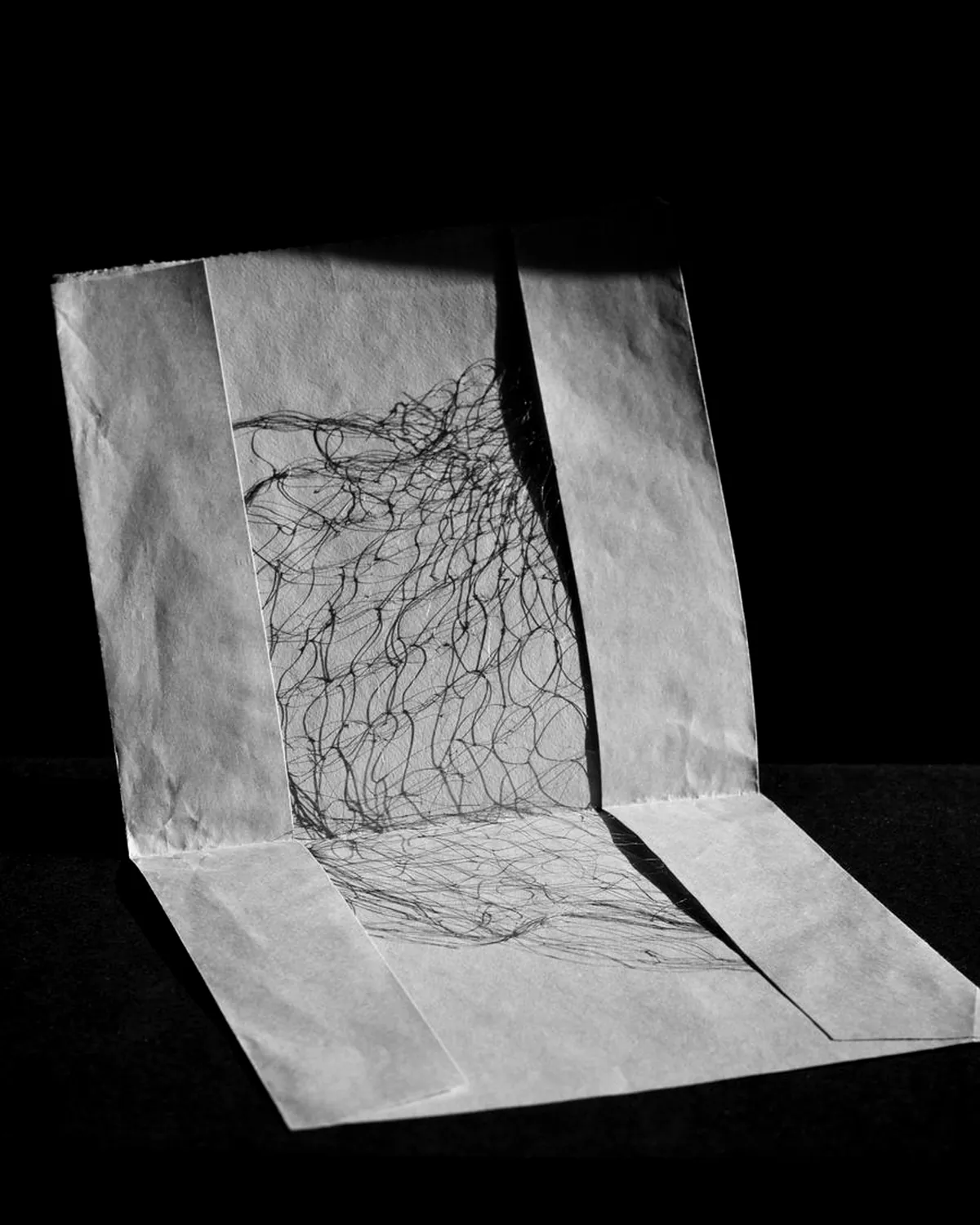
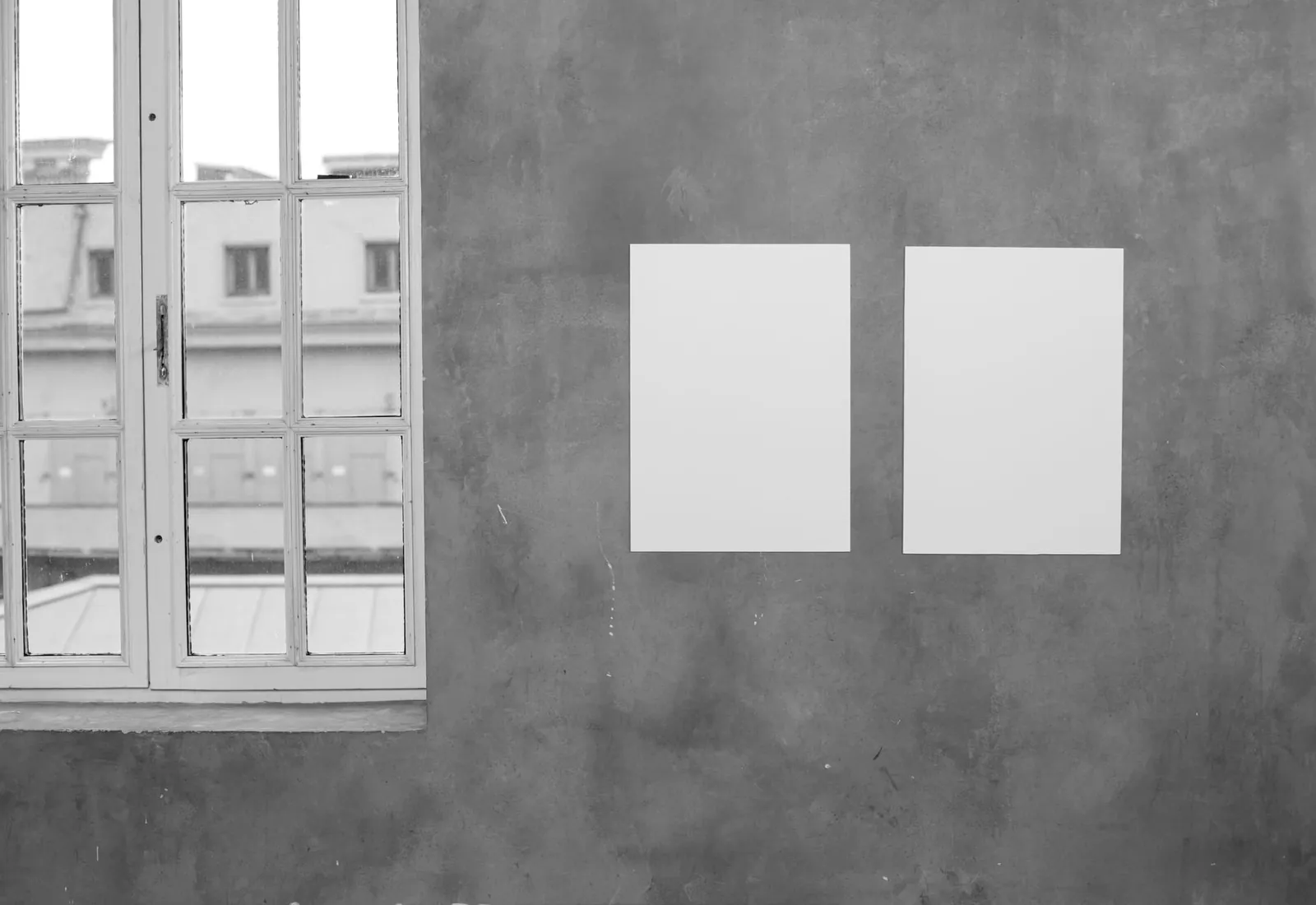
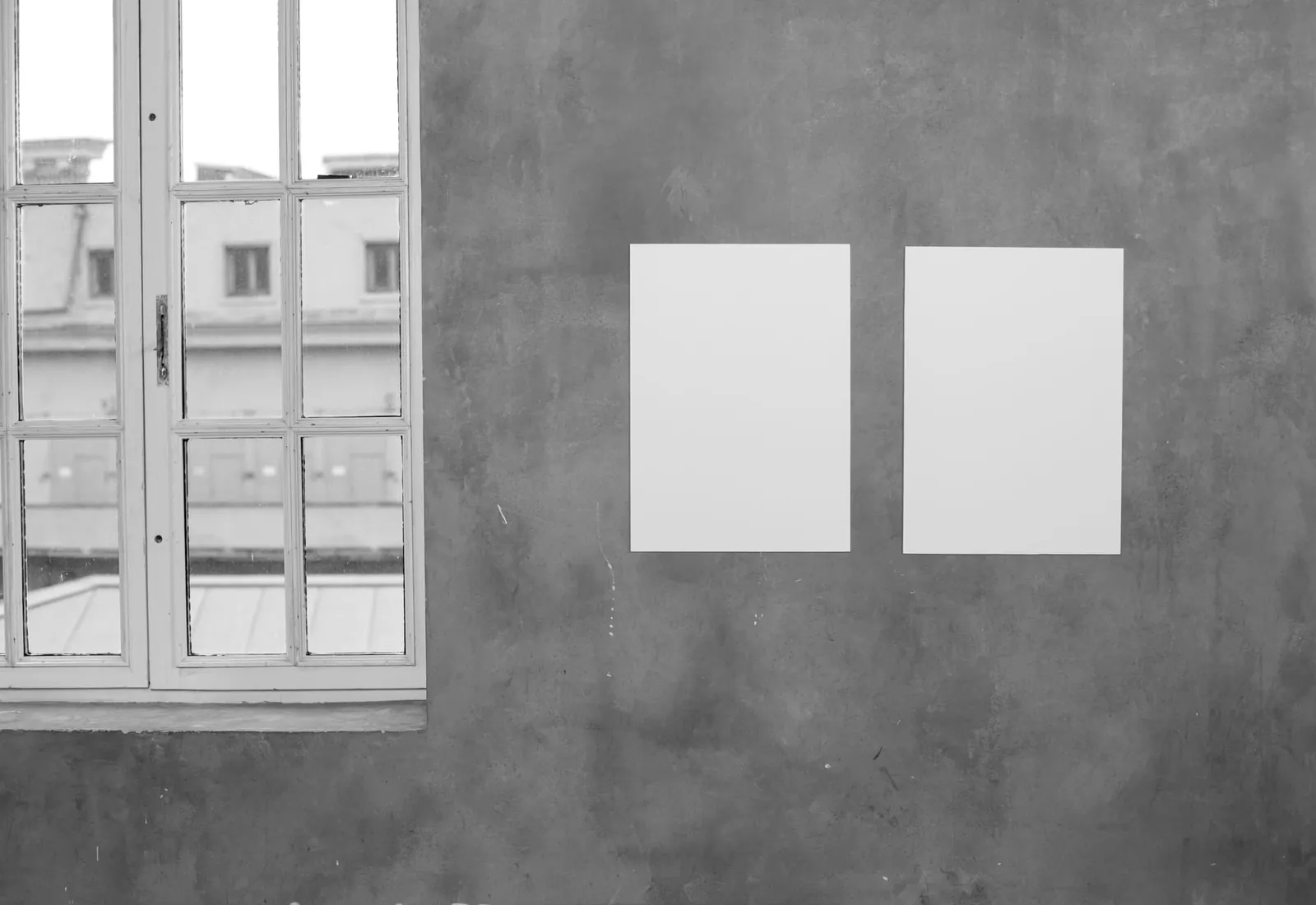
Quiet rooms with very few pictures in them. Delhi, Berlin, and the studio's own wall. (1 project)
Field notes, studio notes and the long argument about printing black. (notes)
( 06 ) Editions
Archival pigment prints on museum papers, proofed against the master and signed in the studio. When an edition closes, the file is retired.
Browse all 15 editions →( 07 ) Artist statement
Patterns only show up when you stay long enough to get bored. Friction is where the meaning is: between the person and the pose, the city and its timetable, the print and the screen it came from.
( 08 ) Creative philosophy
I would rather make one picture that holds a room than forty that fill a feed.
That means fewer shoots, longer edits and a lot of walking. It means printing everything, because a screen flatters every image and a wall flatters none of them.
The studio takes on a handful of commissions a year and says no to the rest, politely and quickly.
When I say yes, I am in it from the first conversation to the last proof. No assistants shooting in my name, no presets, no retouching that a subject would not recognise.
Arin Kade, founder
A self-imposed limit that turns walking into editing. Thirty-six chances, then home.
Every edition is proofed four times on the paper it ships on, under daylight and a 5000K lamp.
The best images leave space for whoever stands in front of them. We hang low, sparse and quiet.
( 09 ) Showcase
“The best image leaves room for you to walk into it.”— Arin Kade, in conversation with Coast Quarterly, 2026
Opening soon · RSVP for opening nights
A survey of five years of work across photography, motion and objects: Unheld, Kata, Afterimage and the first public showing of Hands That Stay. Opening nights are by RSVP; entry sessions keep the rooms quiet.
( 11 ) About me
I break a picture down until I find the one thing it cannot lose, then I build it back around that.
I grew up between Pune and Mumbai, studied architecture for two years and left to assist a newspaper photographer on the night desk. Since 2017 I have run Oblique from a mill compound in Lower Parel with Mira Sethi, who manages the studio and the print shop.
“Kade photographs the second before people decide who to be. It is a very hard second to catch.”
“We asked for a coat. We got a story people still write to us about.”
“The print arrived better than the screen promised. The blacks are bottomless.”
“Fast on set, slow in the edit, which is exactly the right way round.”
“Quiet Rooms made visitors whisper. I have never seen that in a gallery in Delhi.”
“Our third print from the studio. Number 4 of 10 now hangs where the TV used to.”