


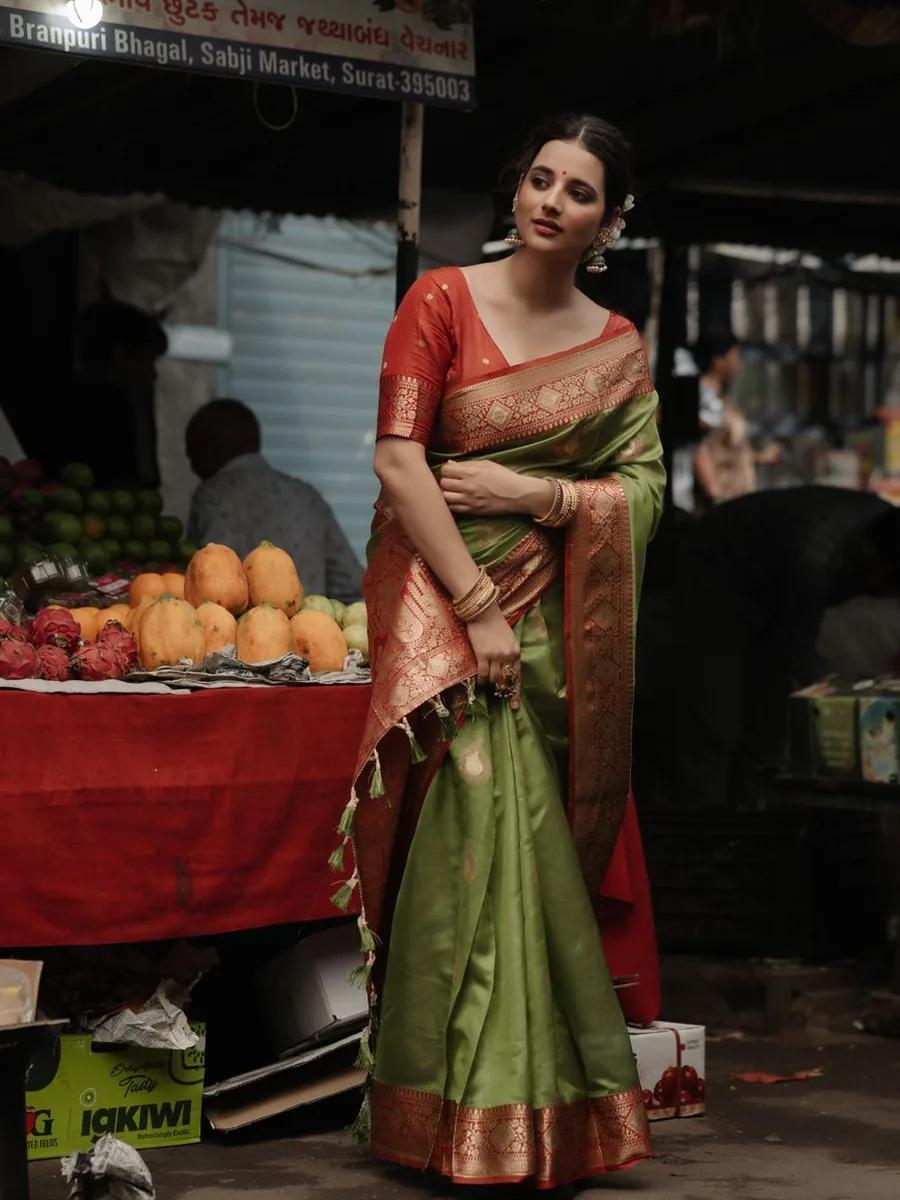
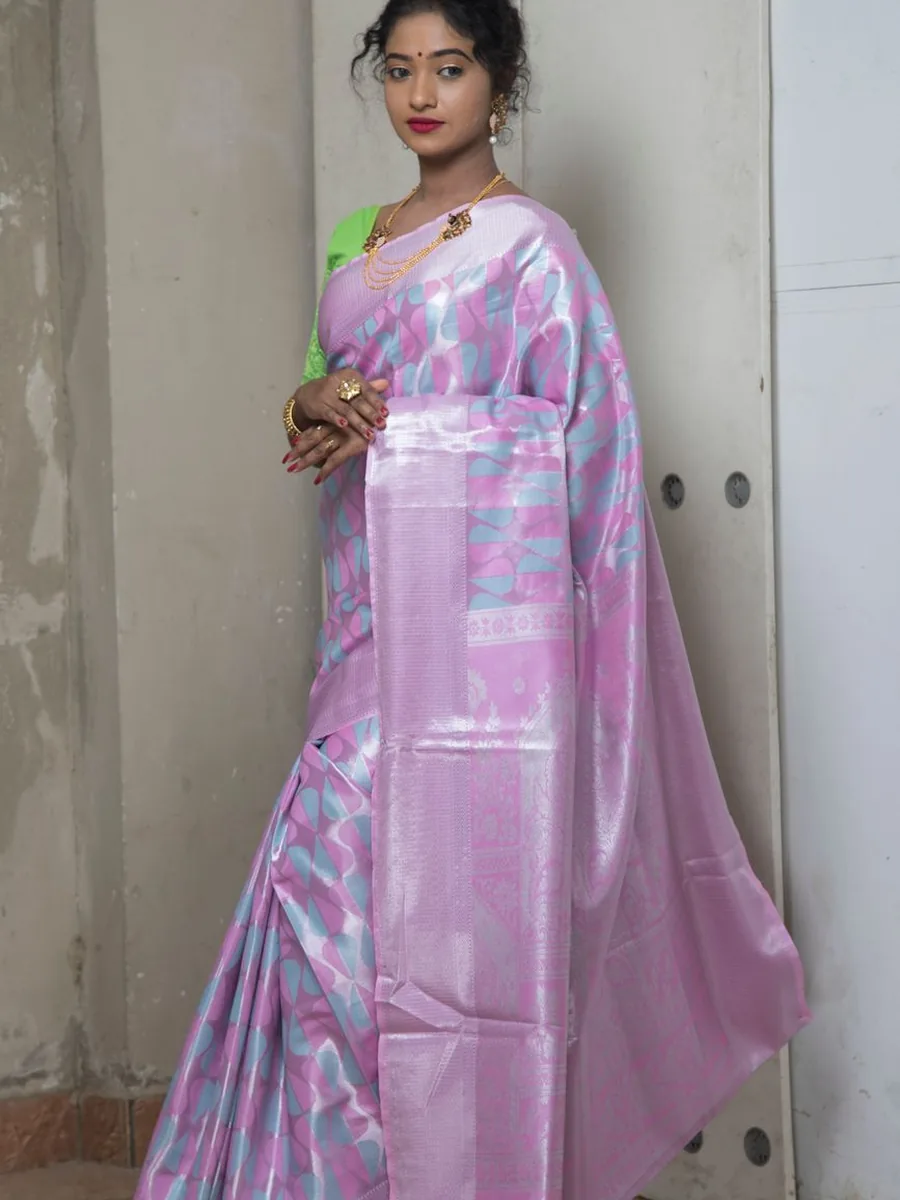
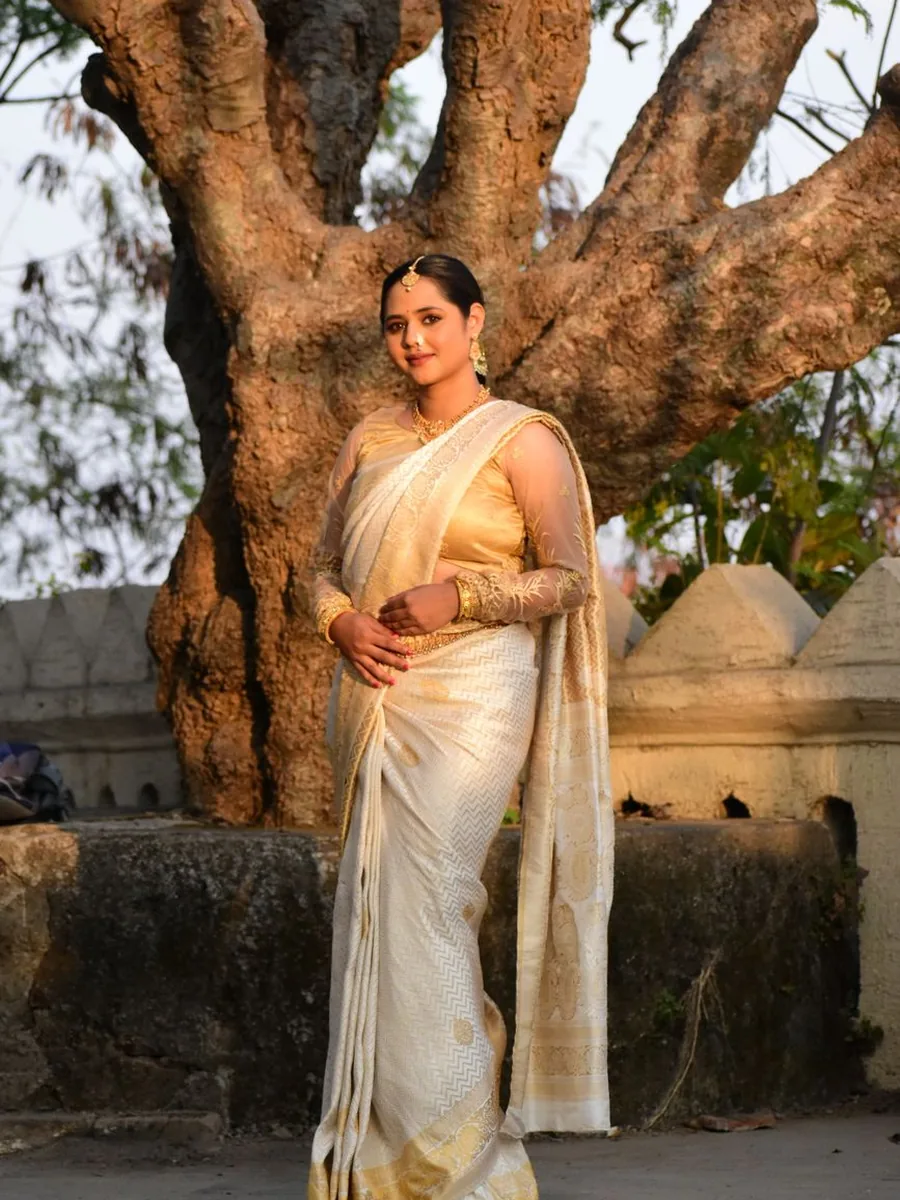


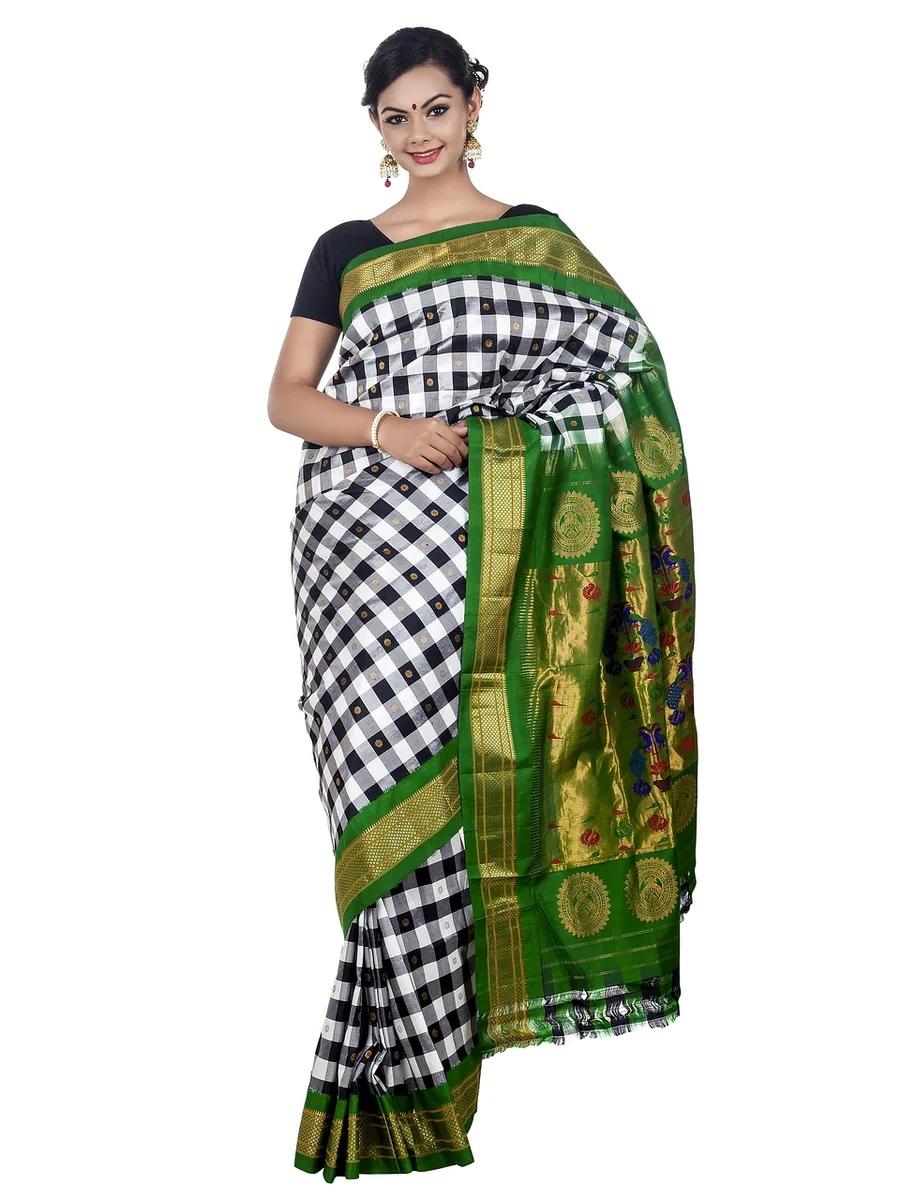

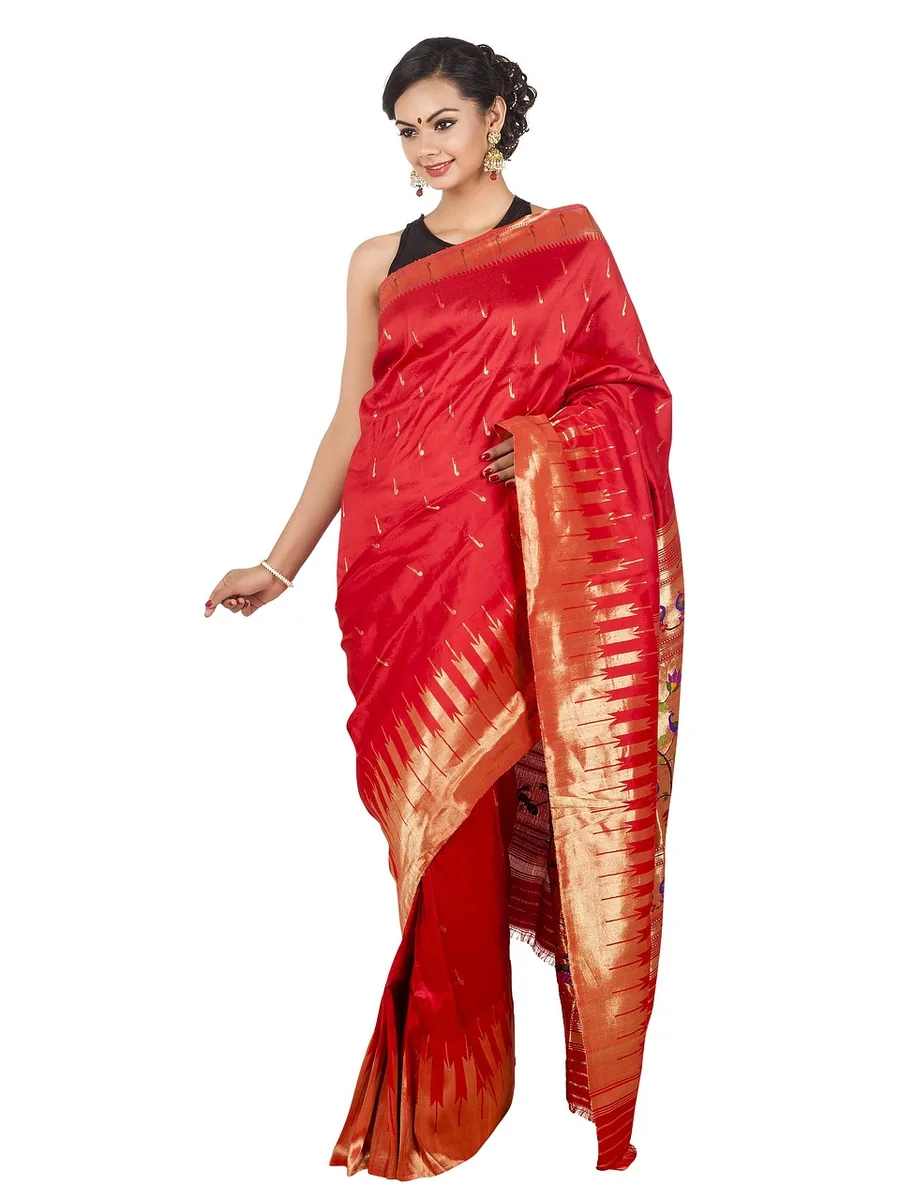

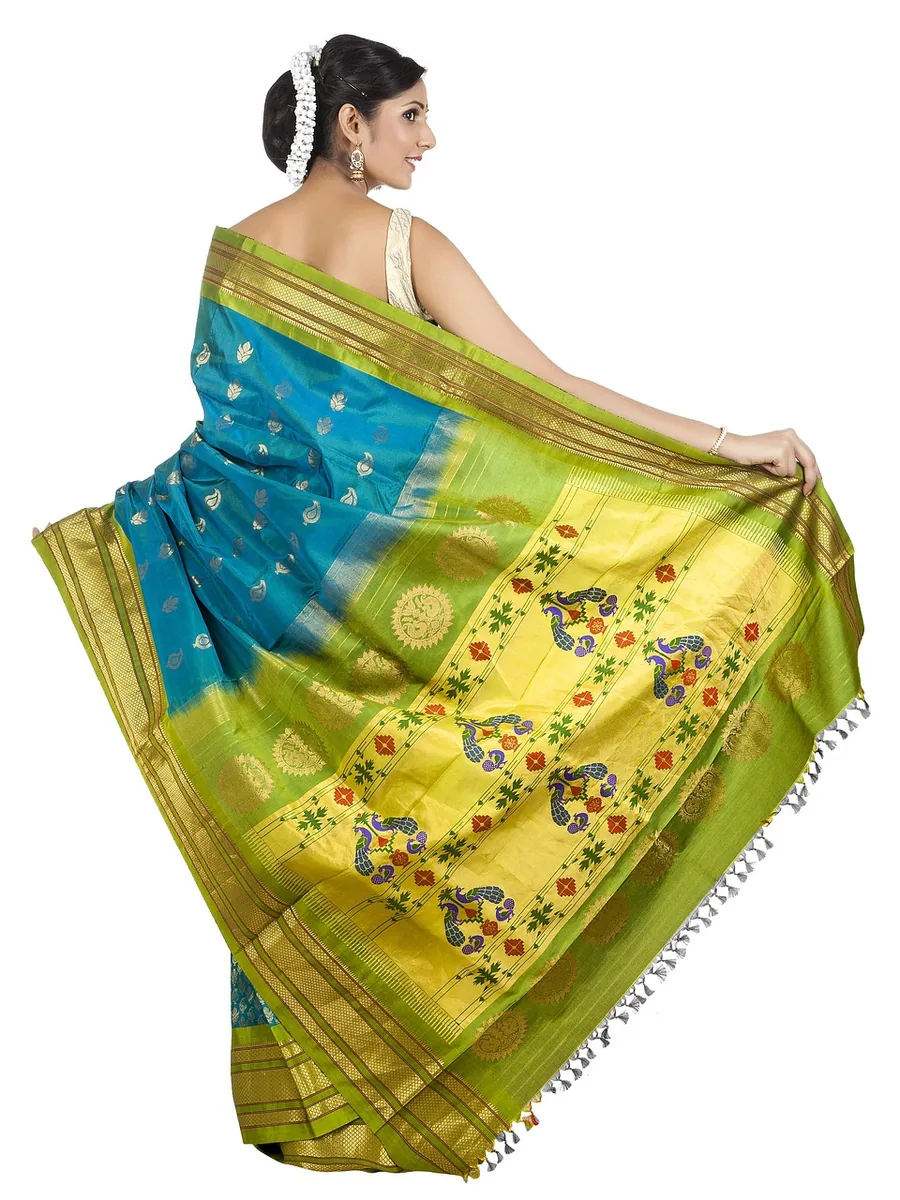


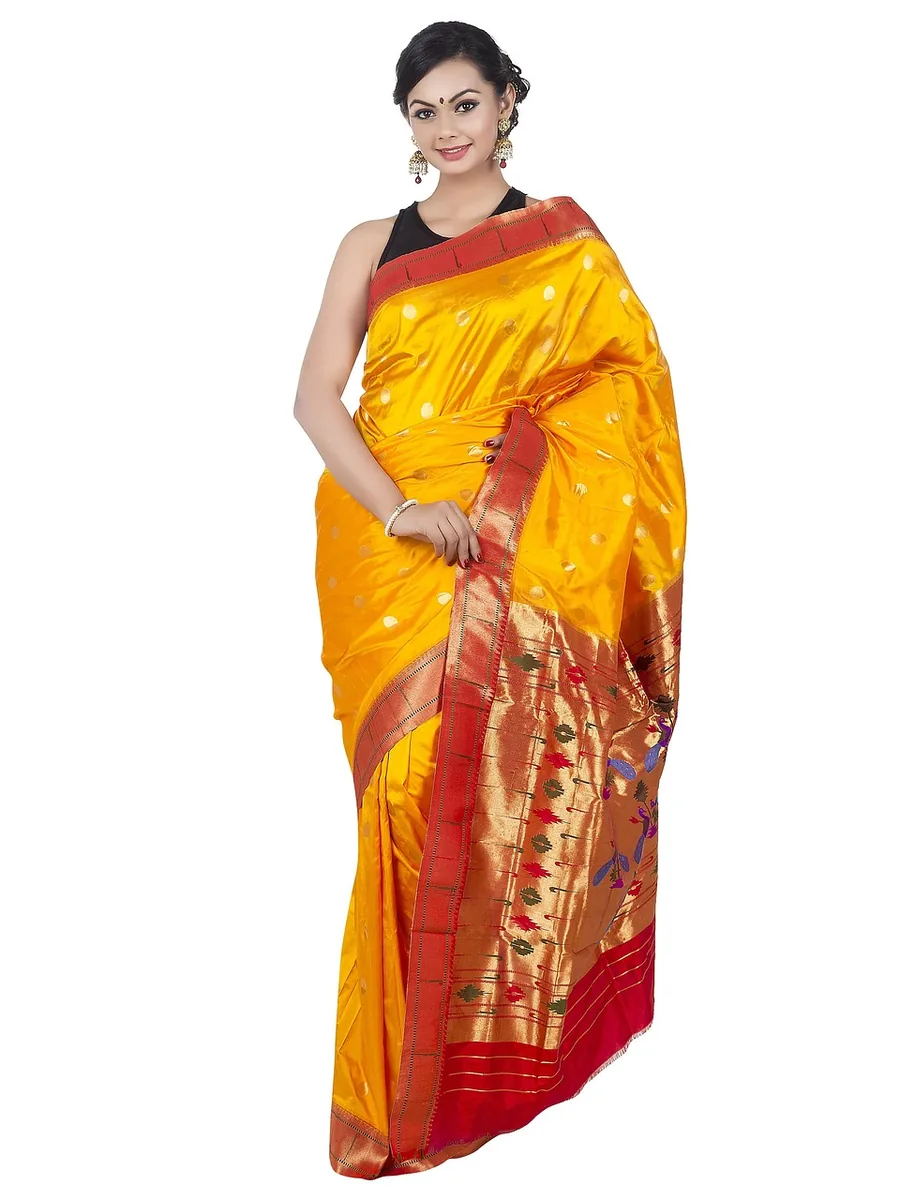
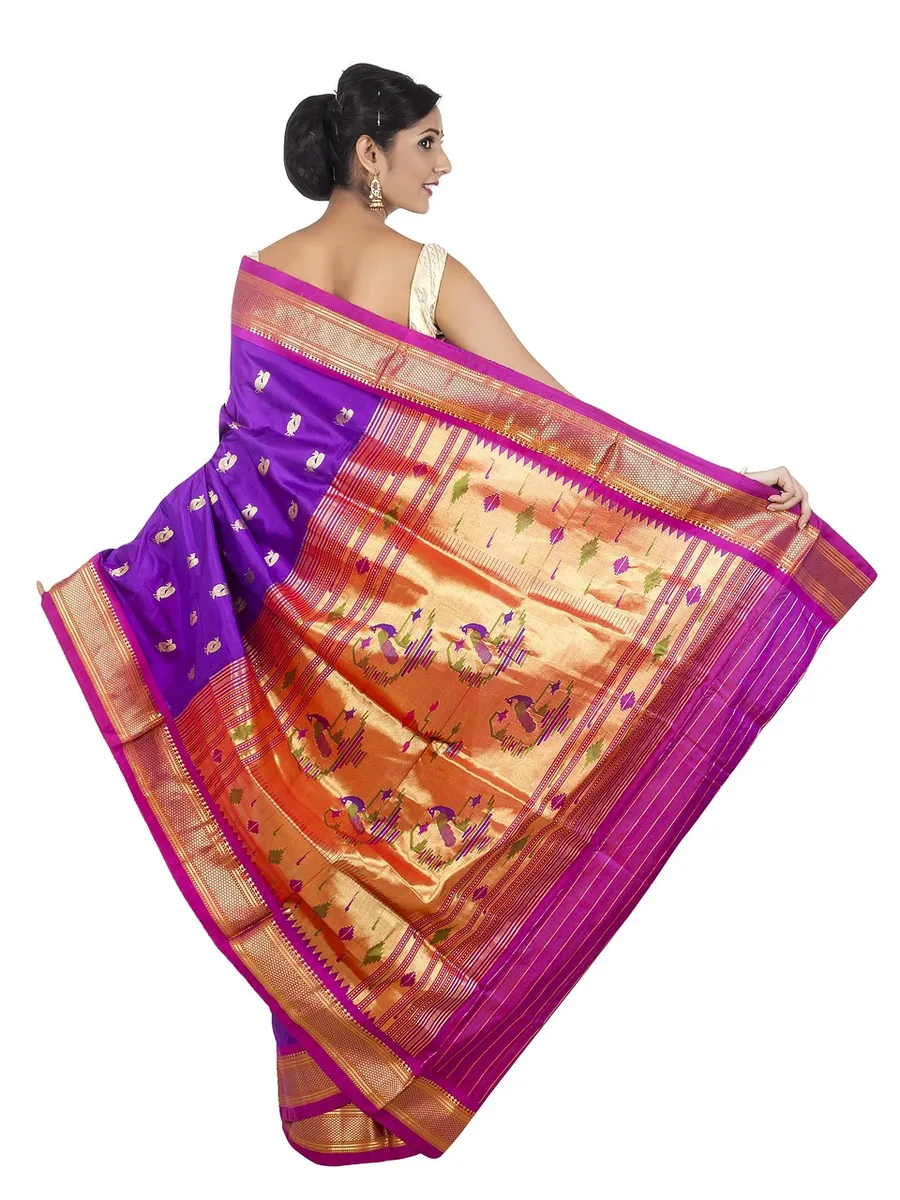
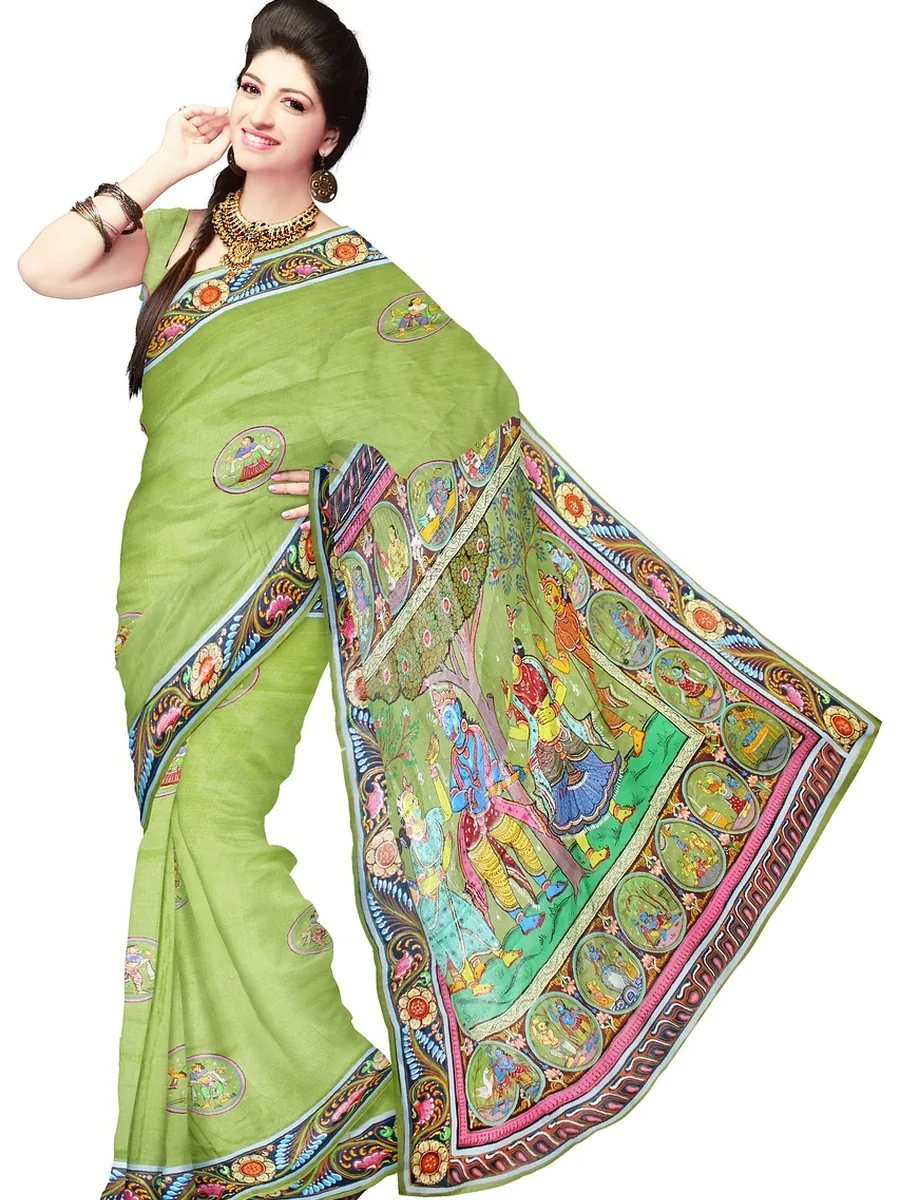
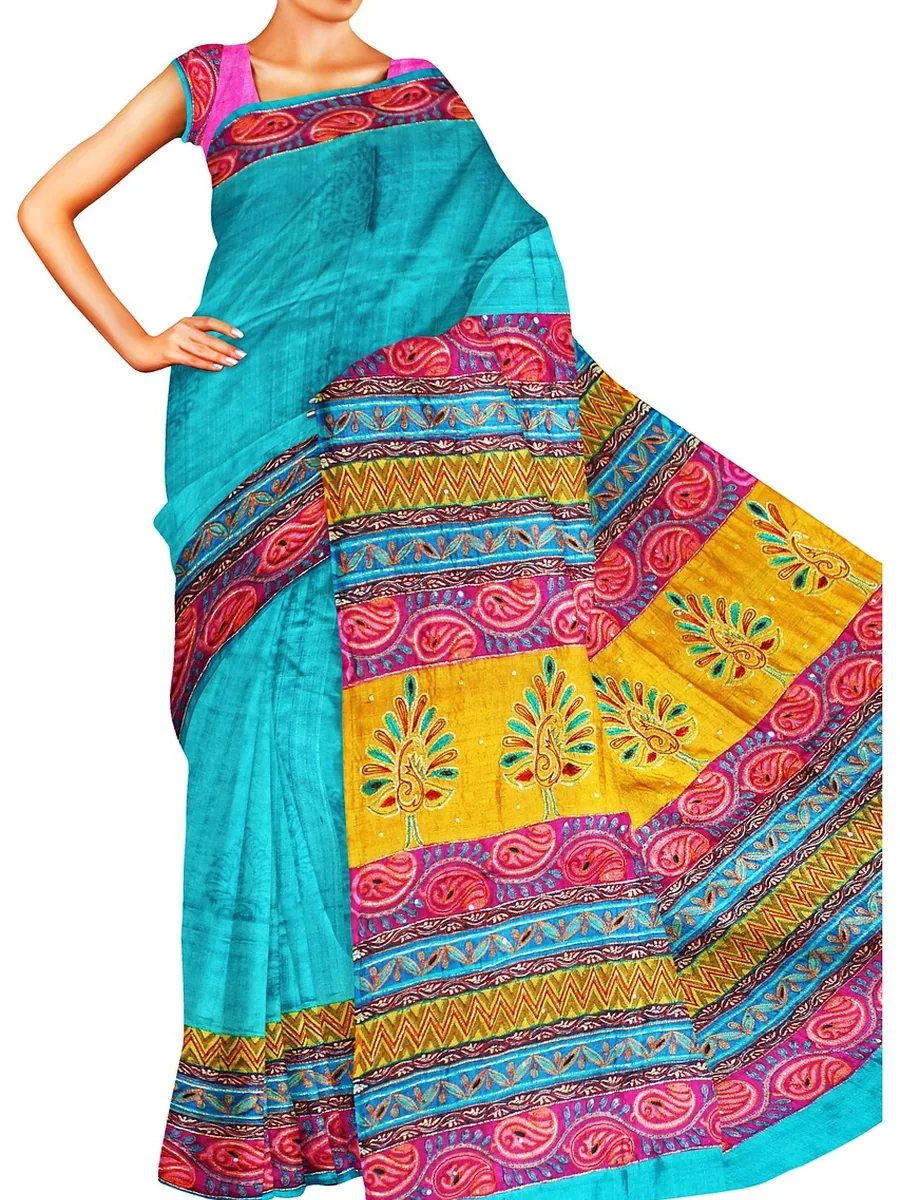




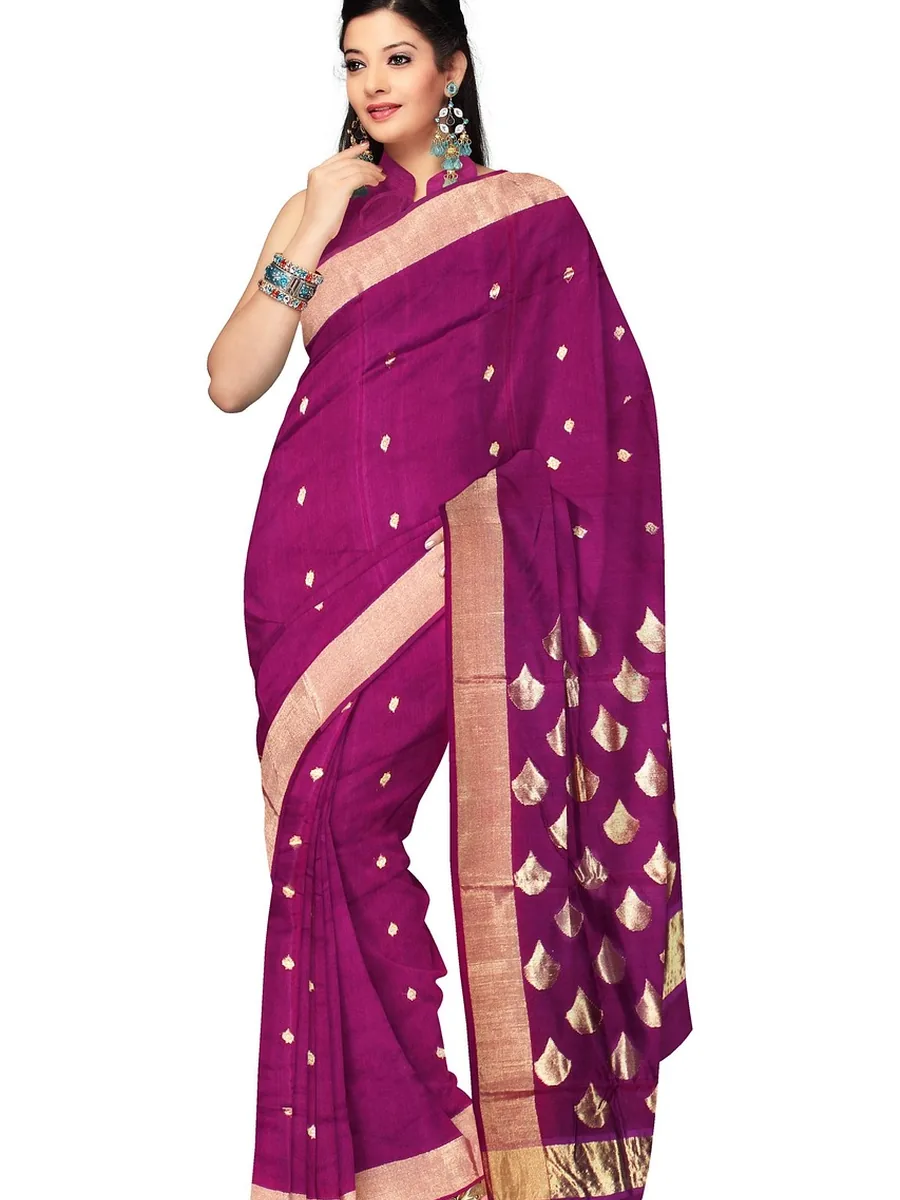


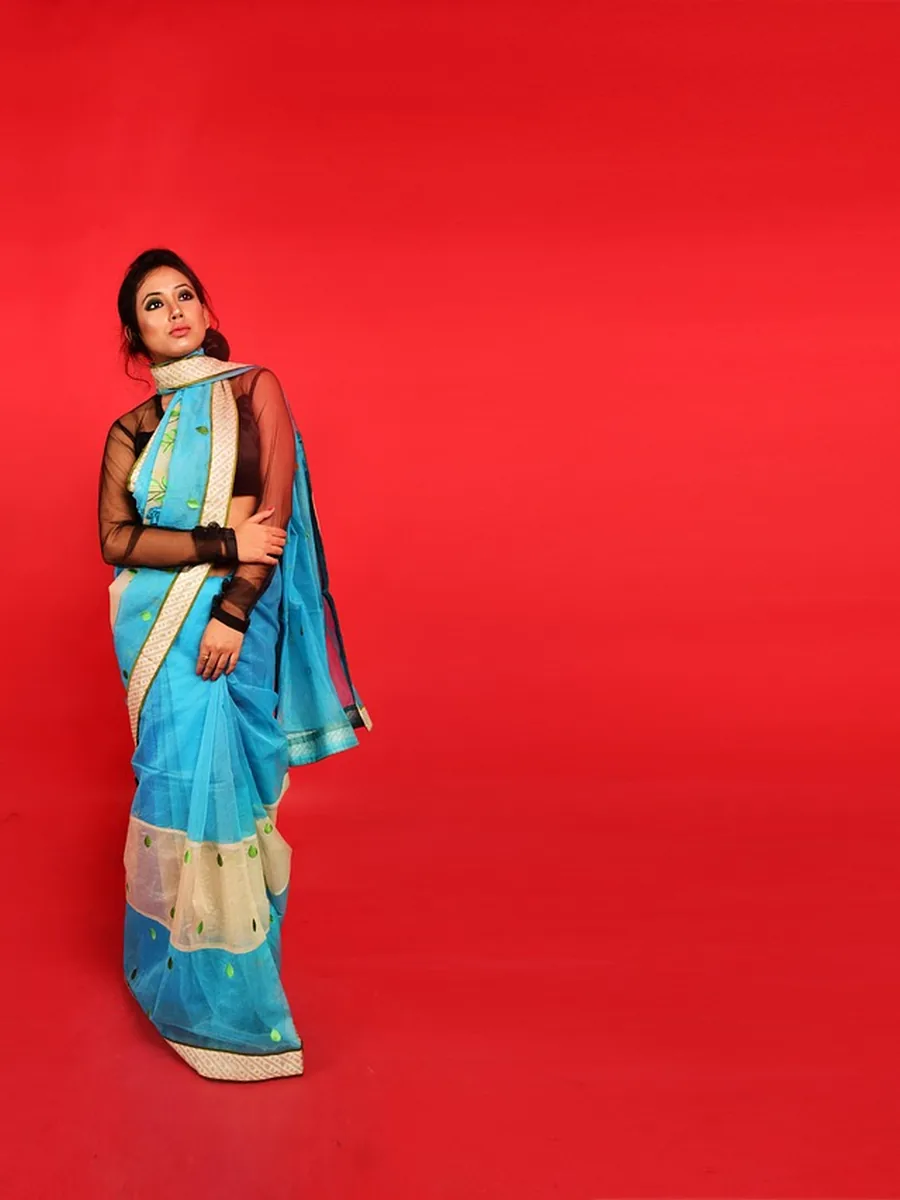
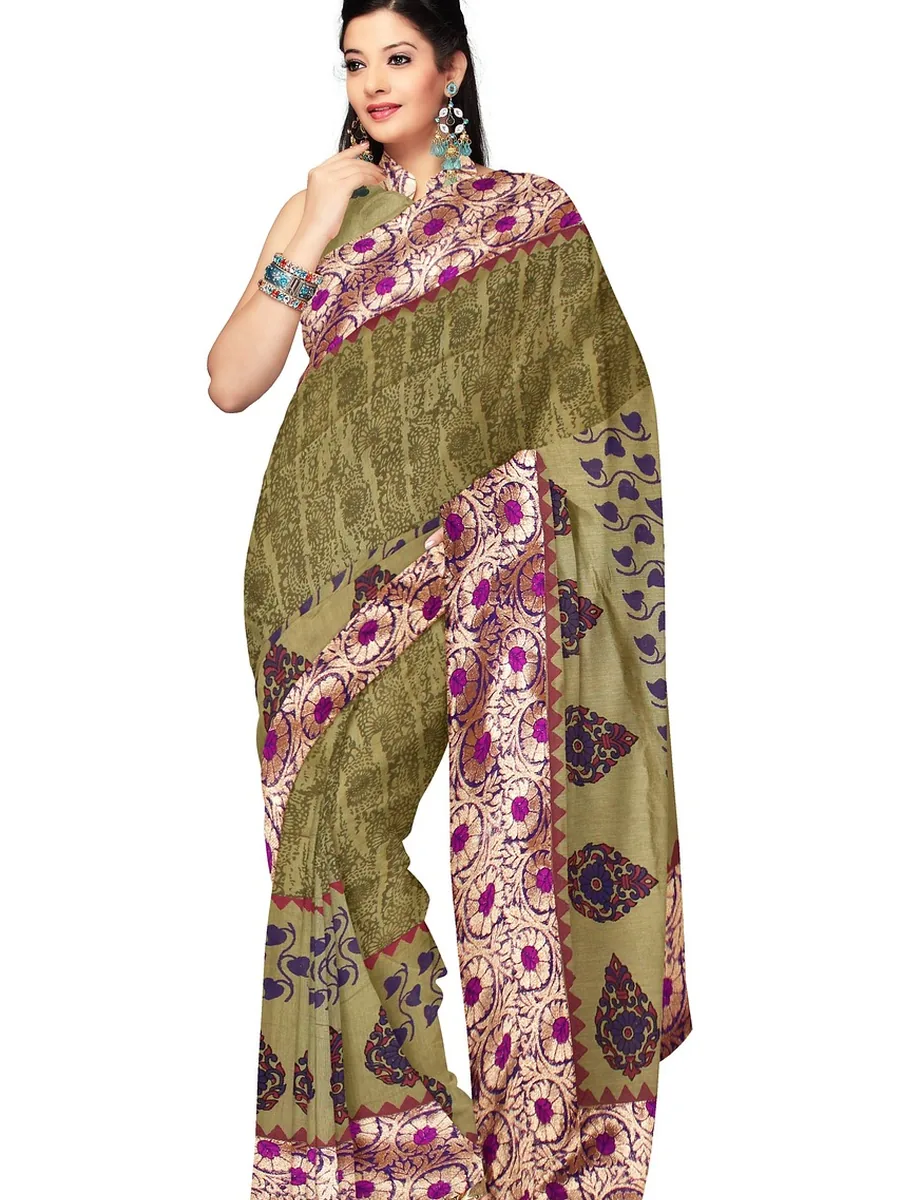




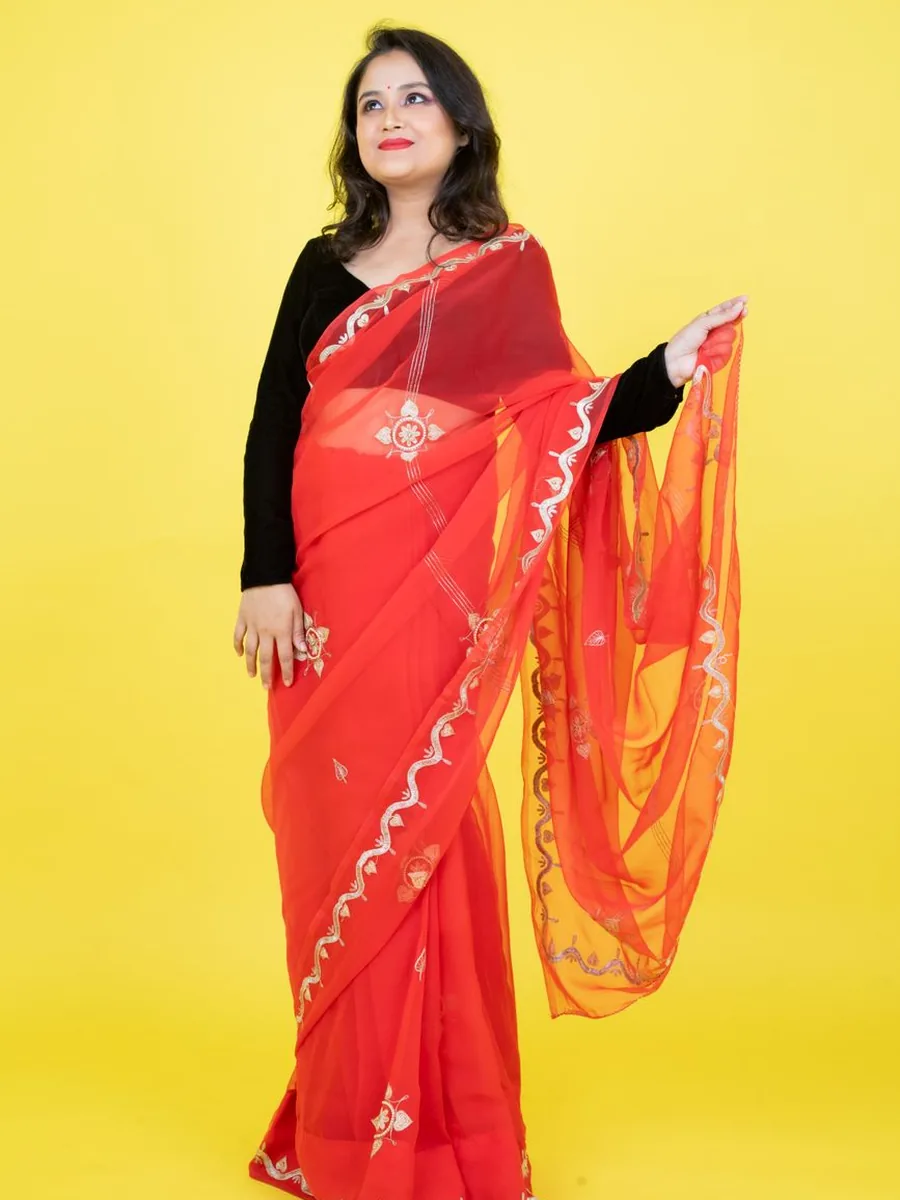









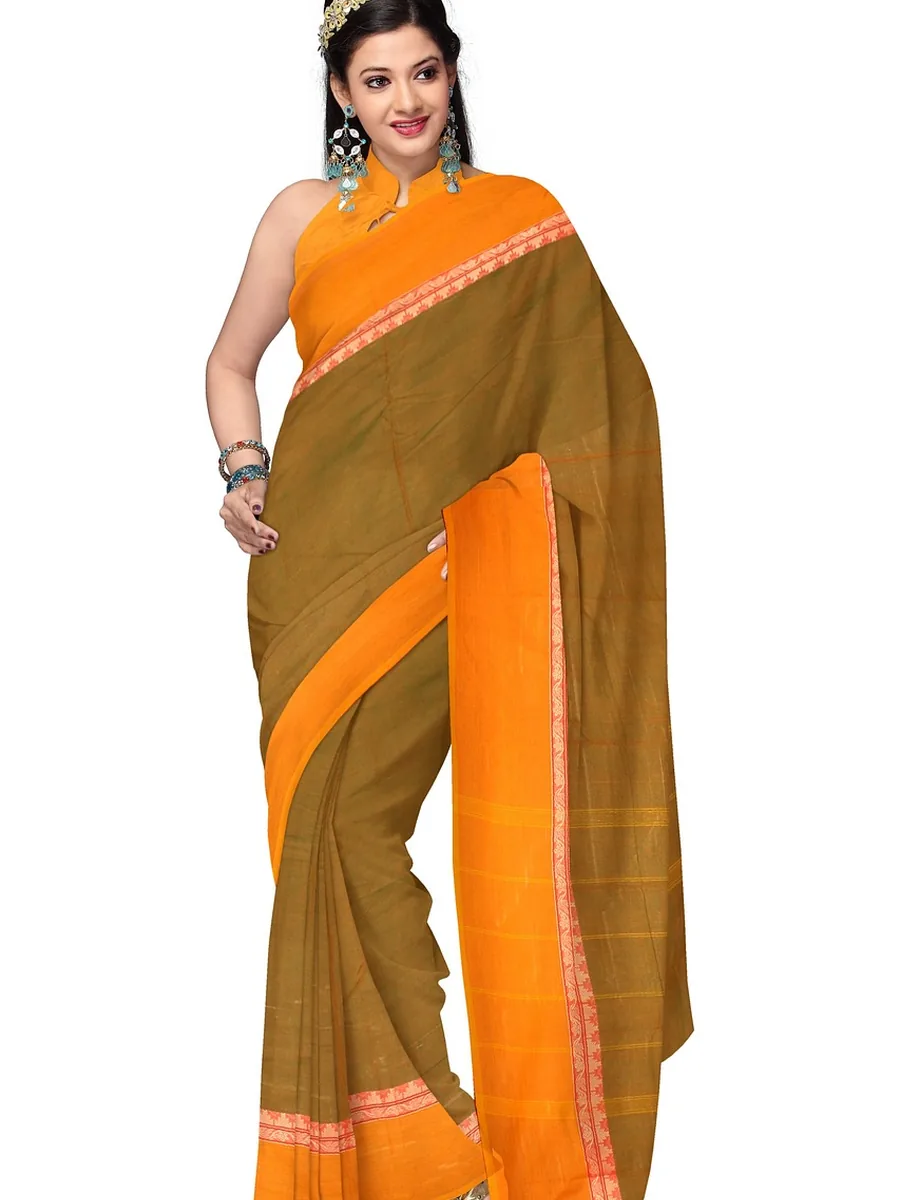
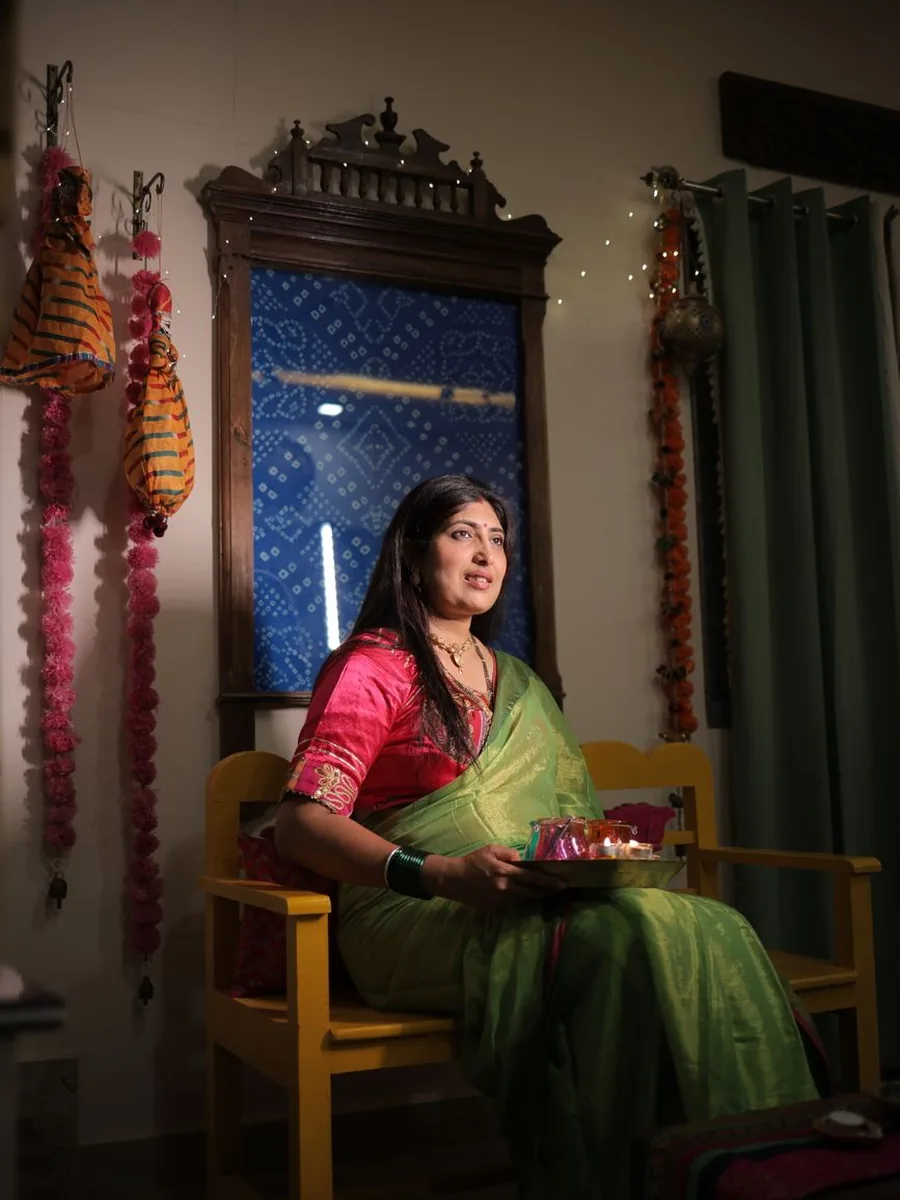
Pure, tested and imitation zari look alike on a screen. Here is what each one is made of and why it matters.
Zari is the metallic thread that gives a silk saree its borders, buttas and pallu. Not all of it is made the same way.
Pure zari
Traditional zari is a fine silver wire, flattened and wound around a silk core, then finished with a warm yellow precious metal coating. It is heavy, soft to the touch and ages to a deep, mellow tone. It is also rare and expensive today.
Tested zari
Tested or half-fine zari uses a copper wire with a silver coating on a silk or cotton core. It is lighter, more affordable and keeps its shine for many years with care. Most good handloom sarees today use tested zari, and so do ours.
Imitation zari
Imitation zari is metallised polyester film. It is very light and bright, and it does not tarnish, but it has a flat, plastic shine and can feel scratchy.
How to check
Pull a loose thread from the inside of the border and scratch it. Real zari shows a red or white silk core and a metal wire. Imitation zari shows a plastic film. You can also ask for a zari test certificate, which reputable sellers will provide.
Why we tell you
Every Taani product page states the kind of zari used. You should know what you are paying for.