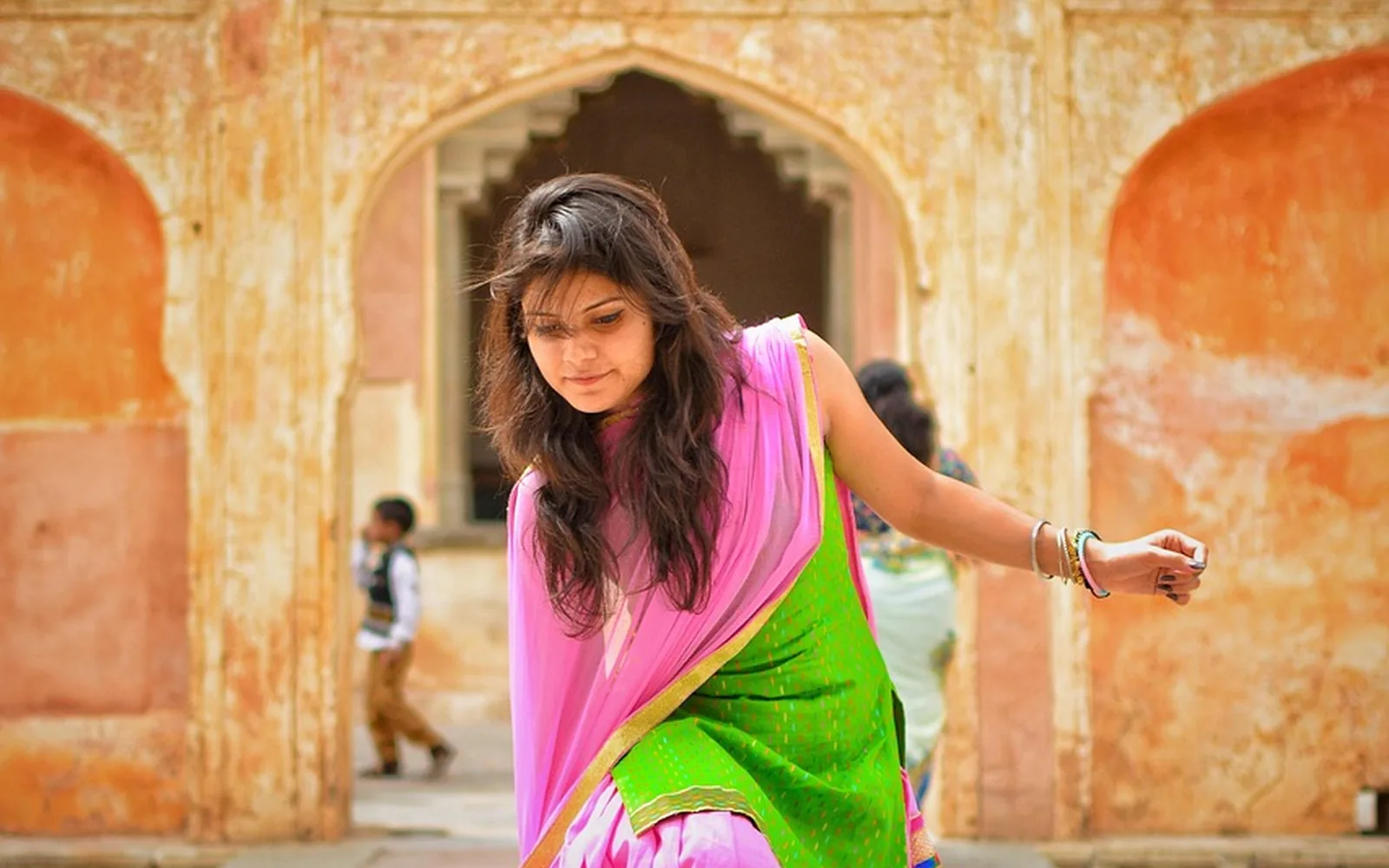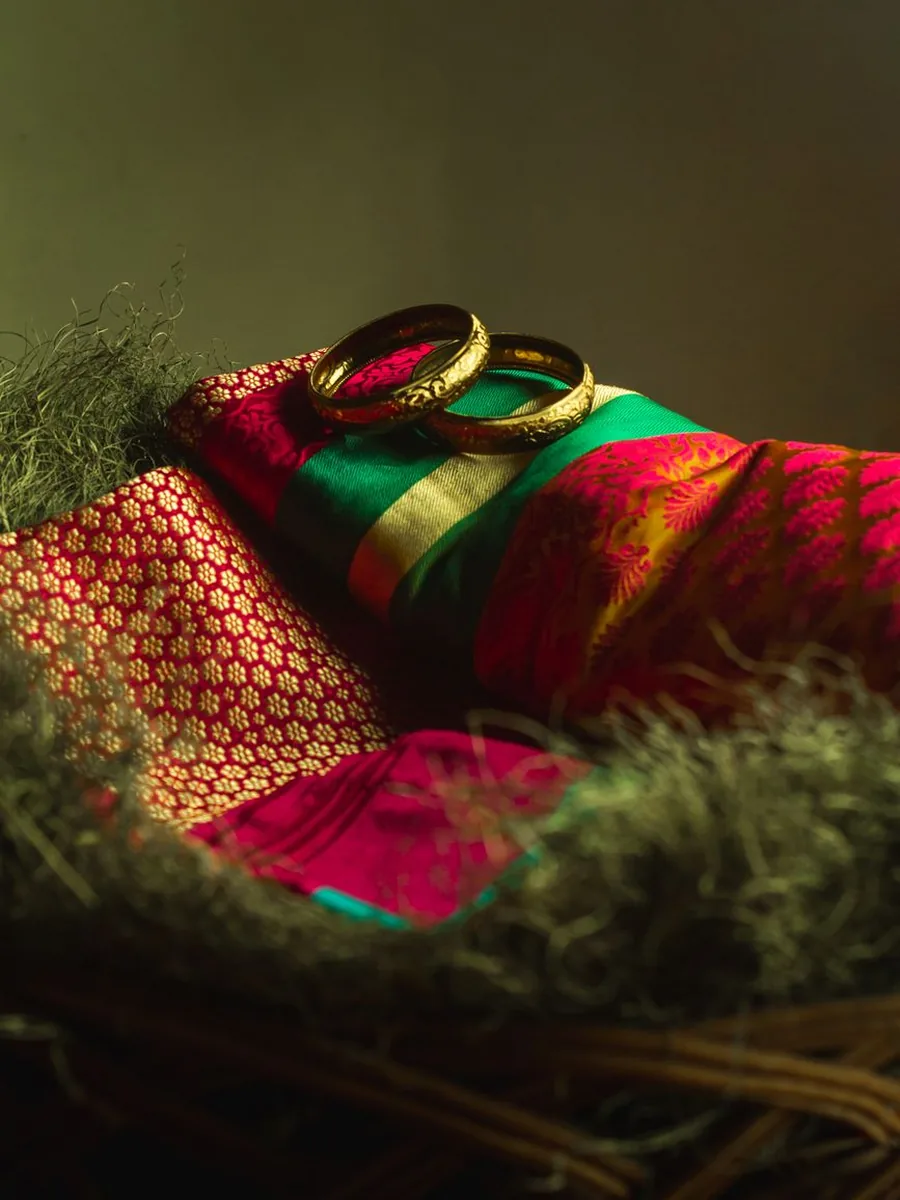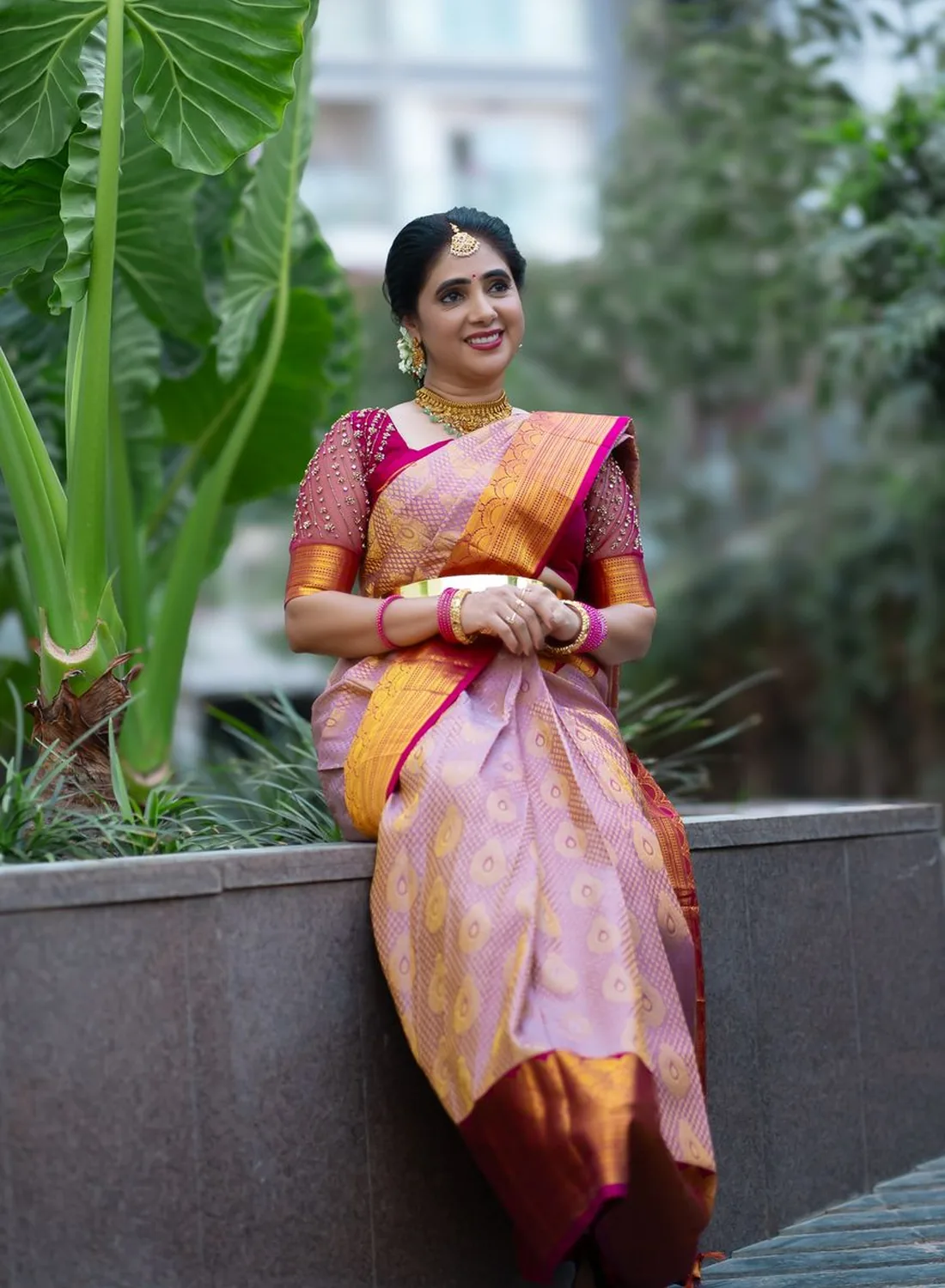
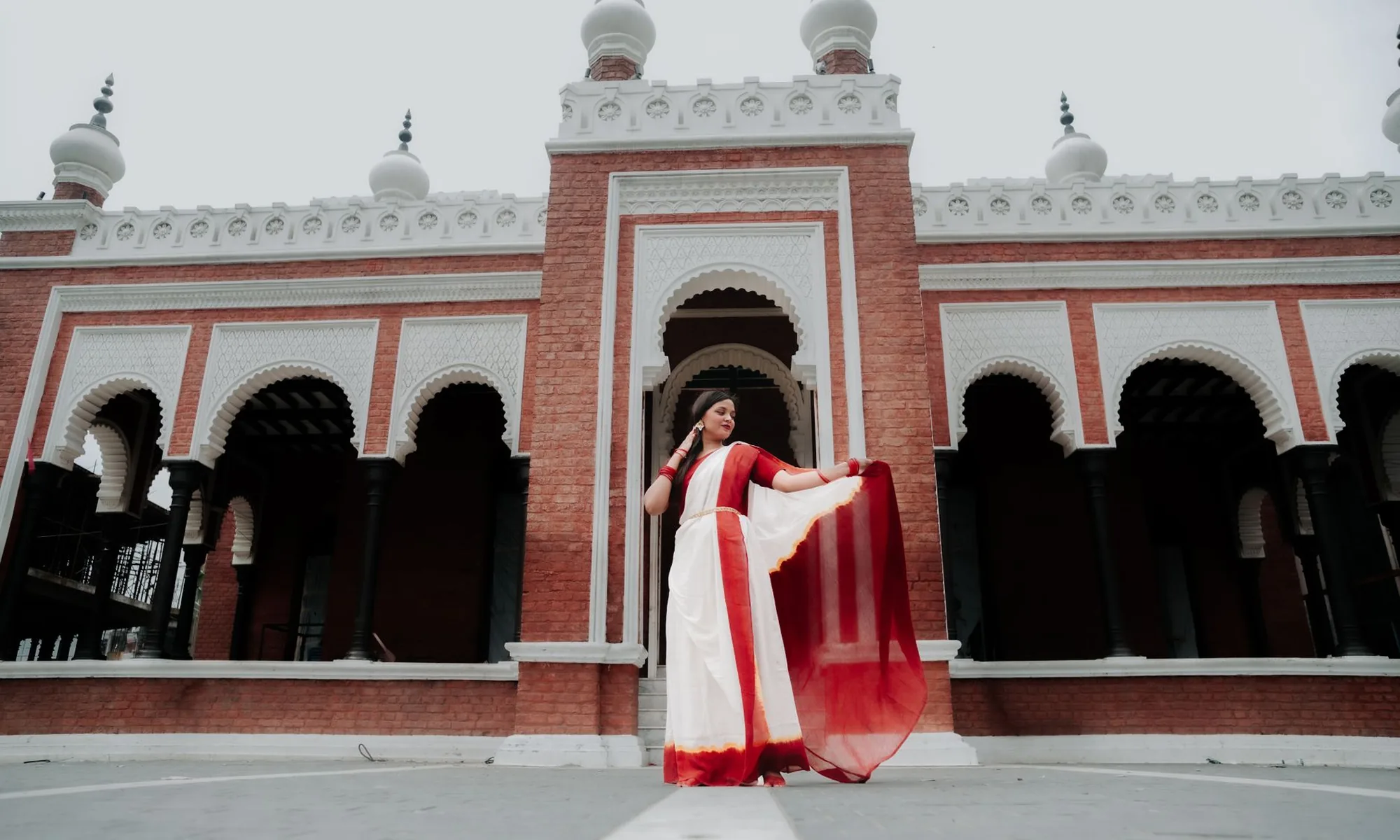

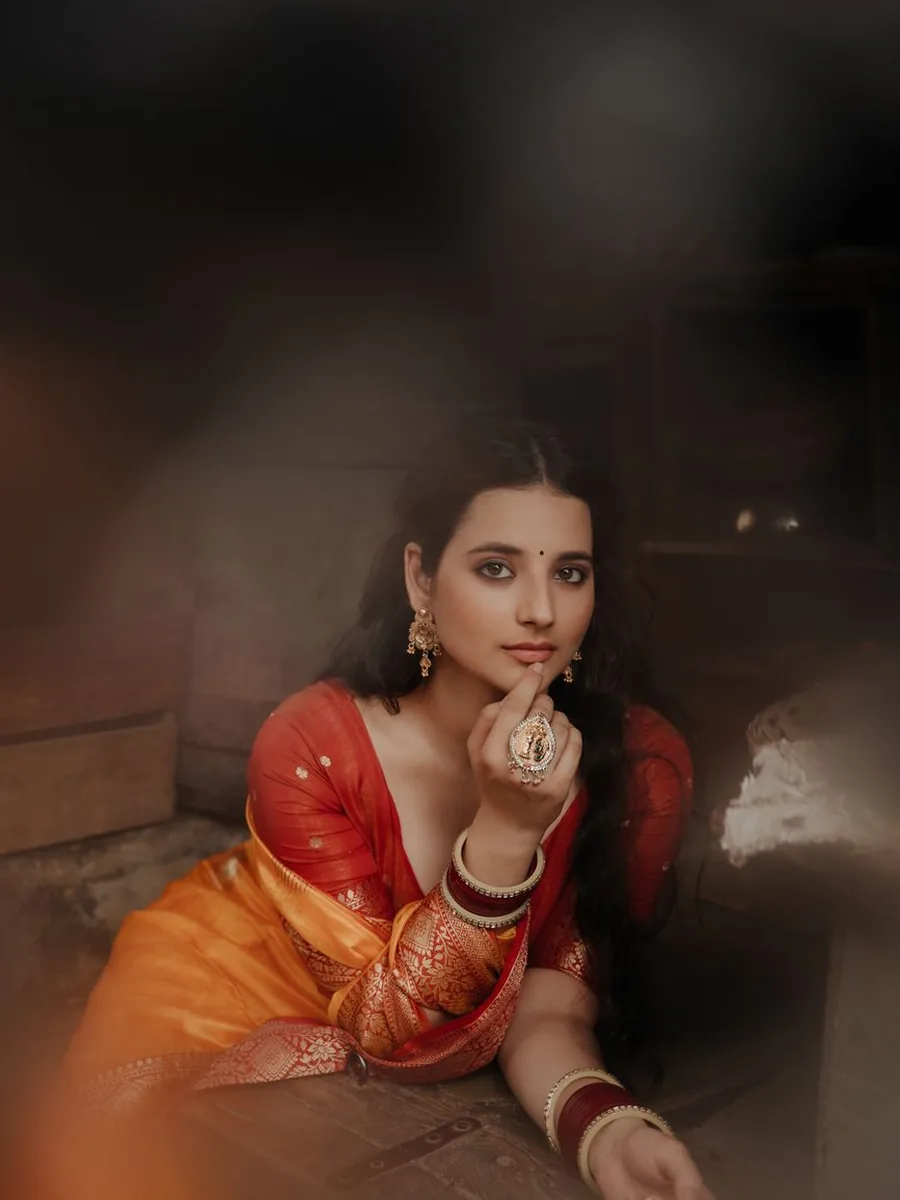
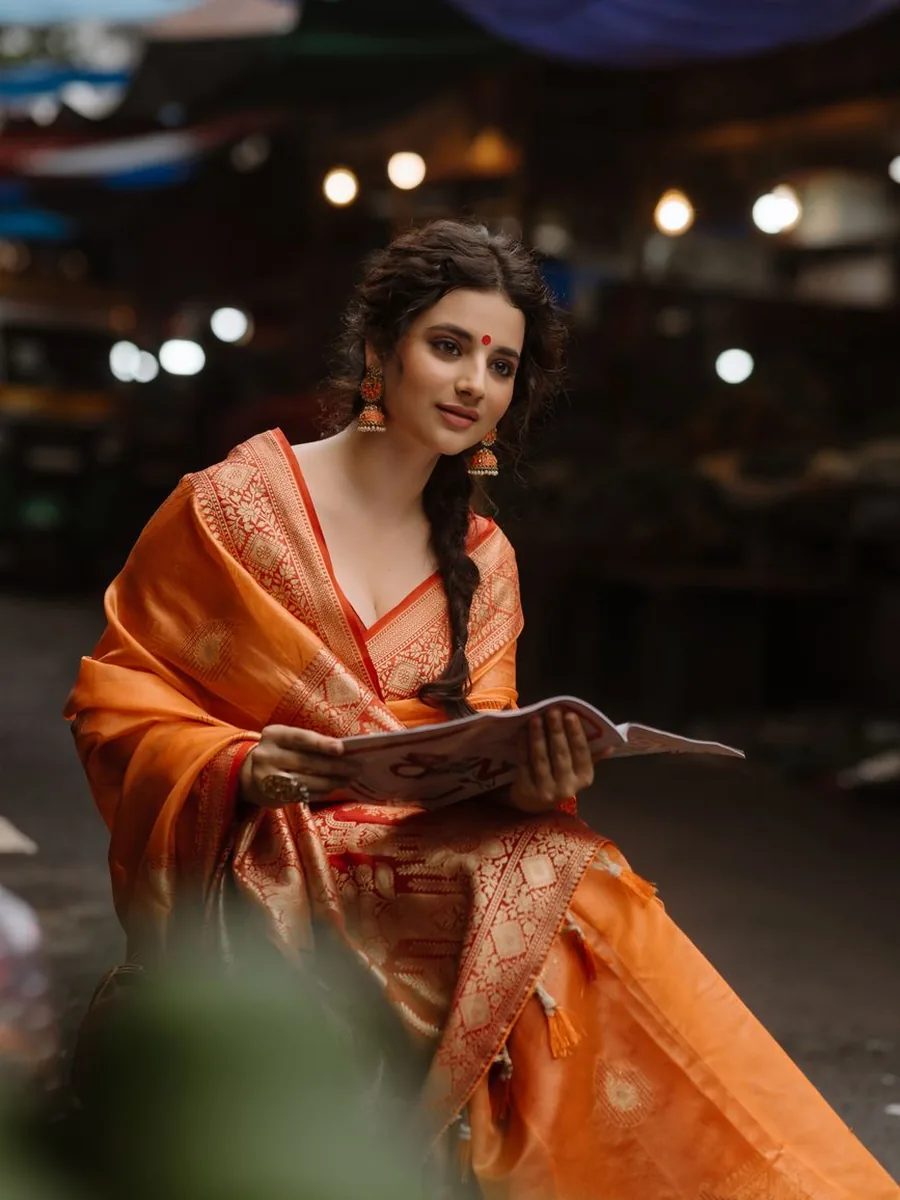
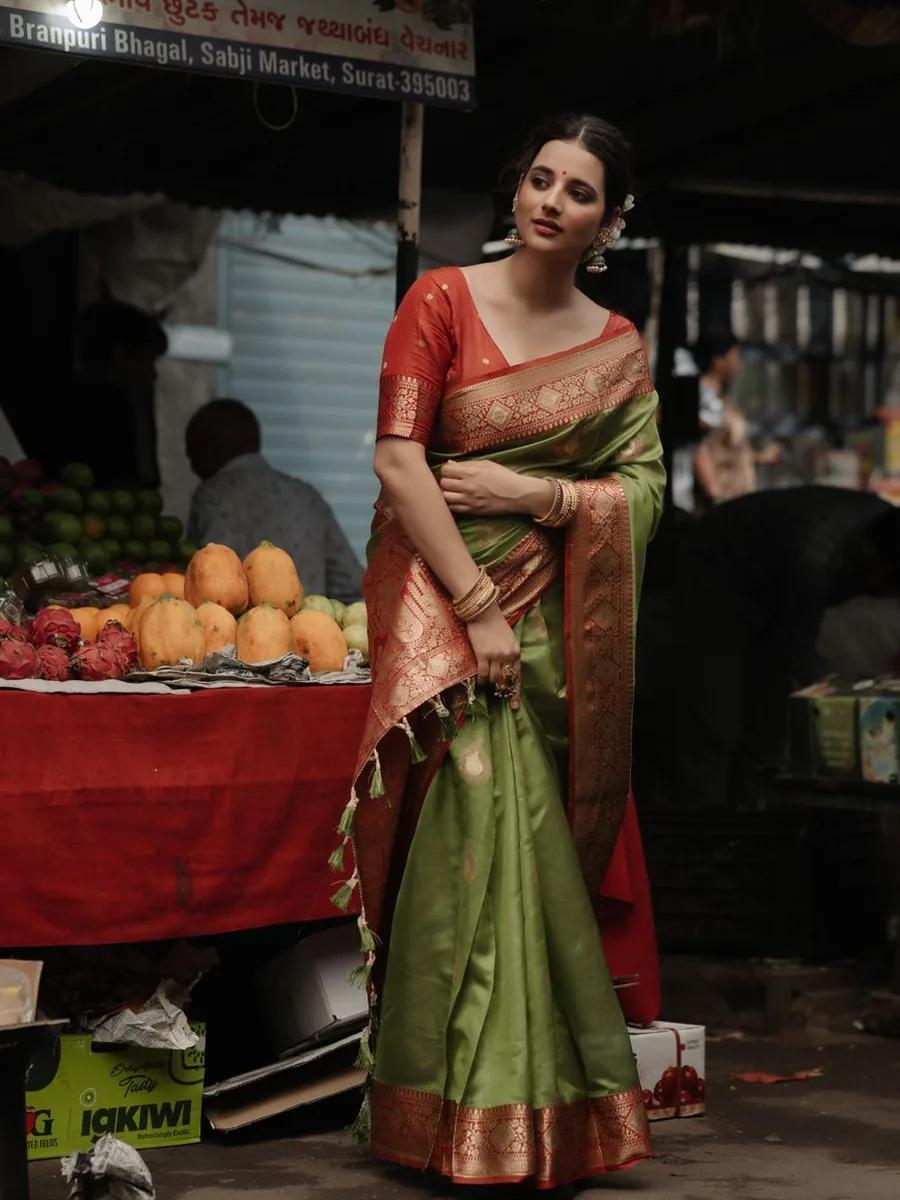
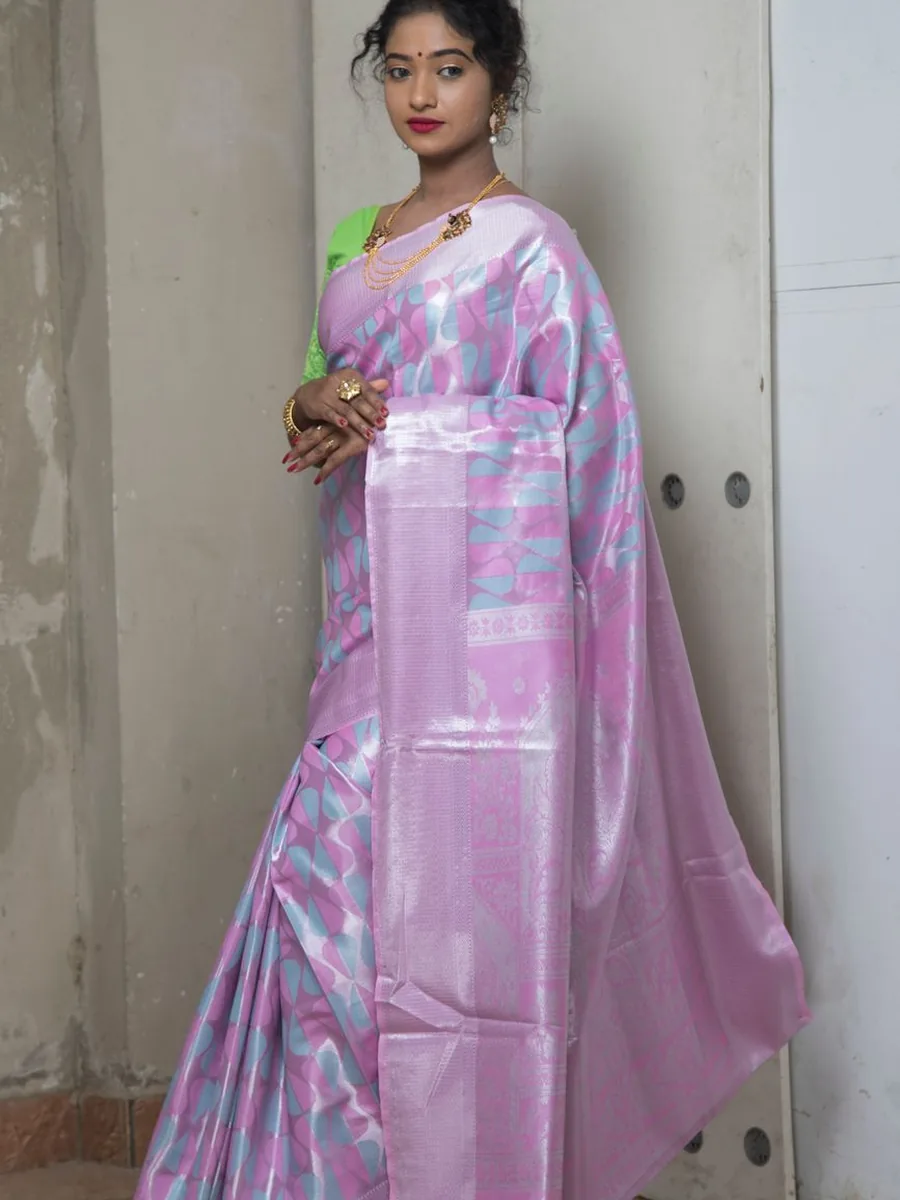
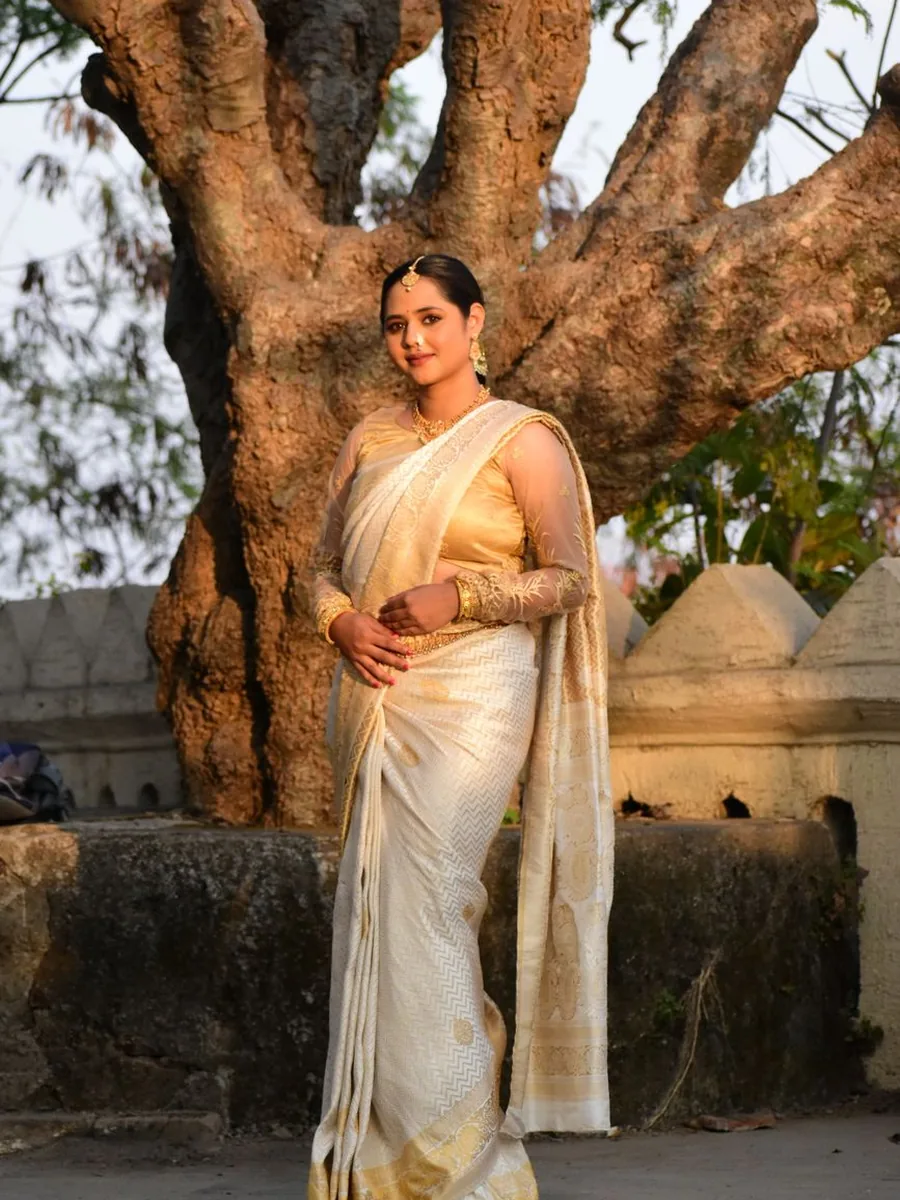
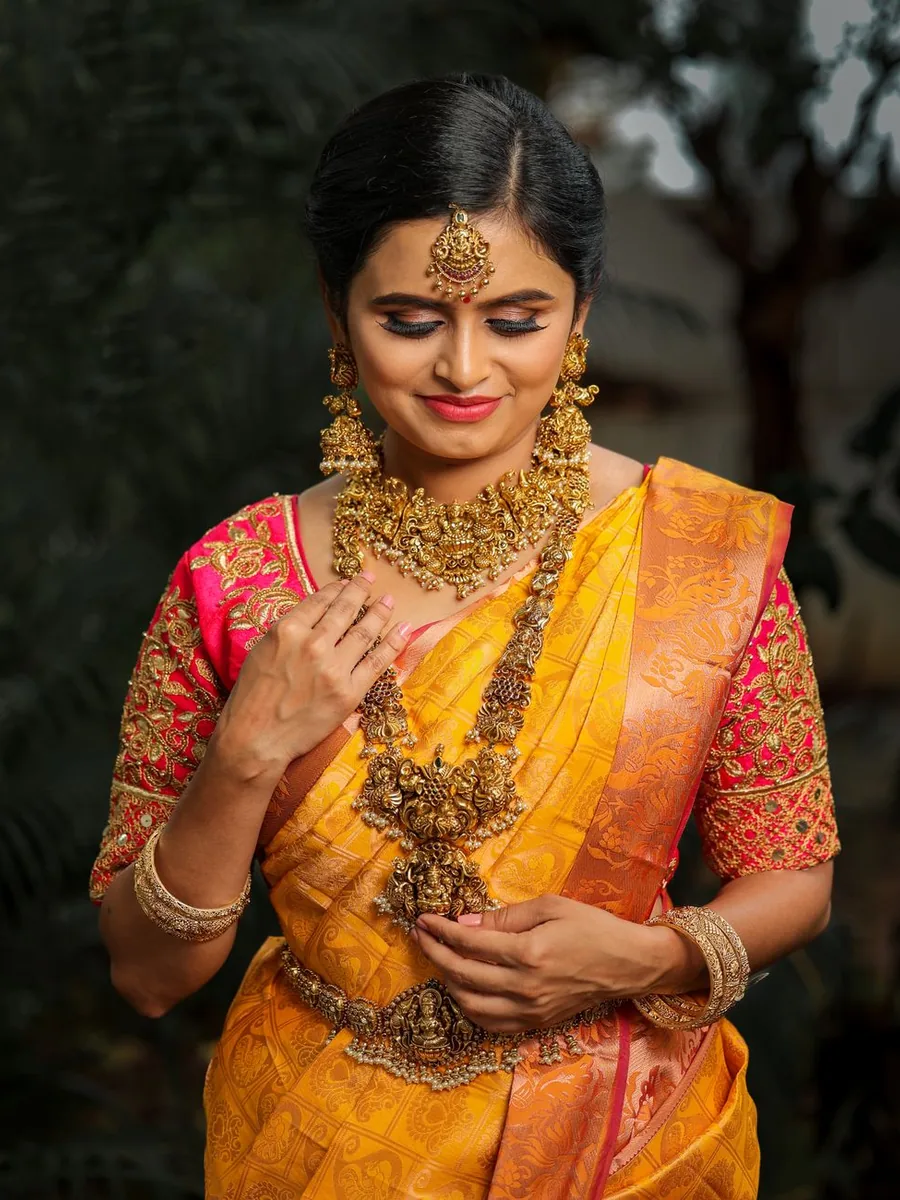
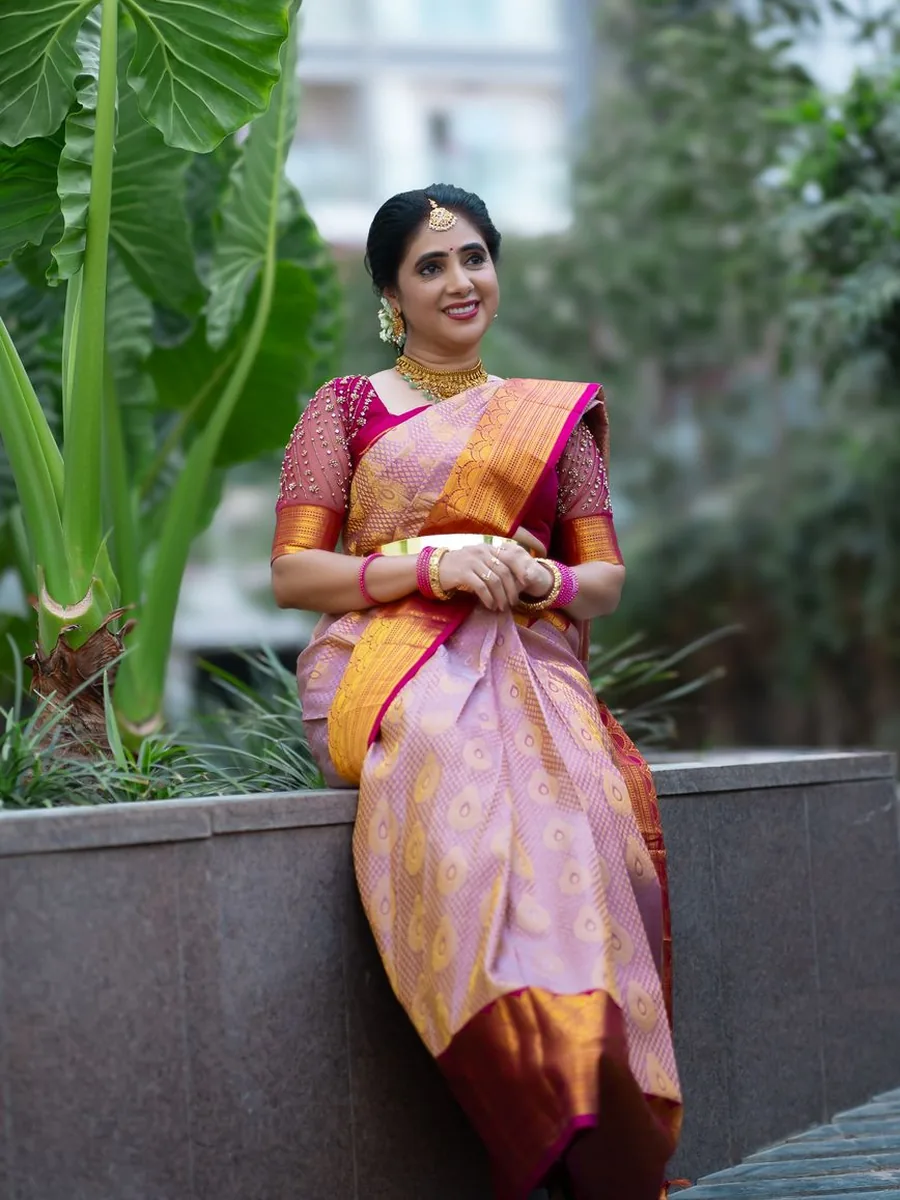
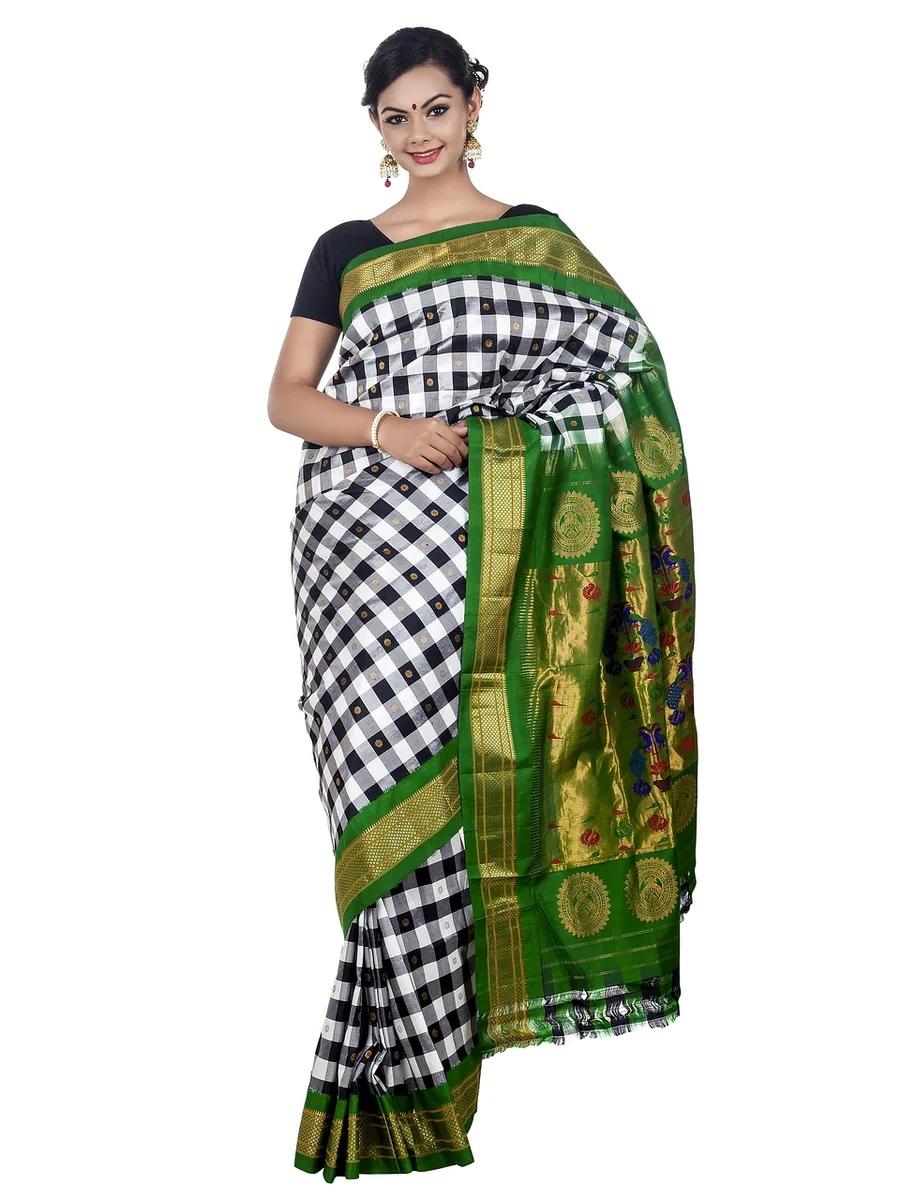
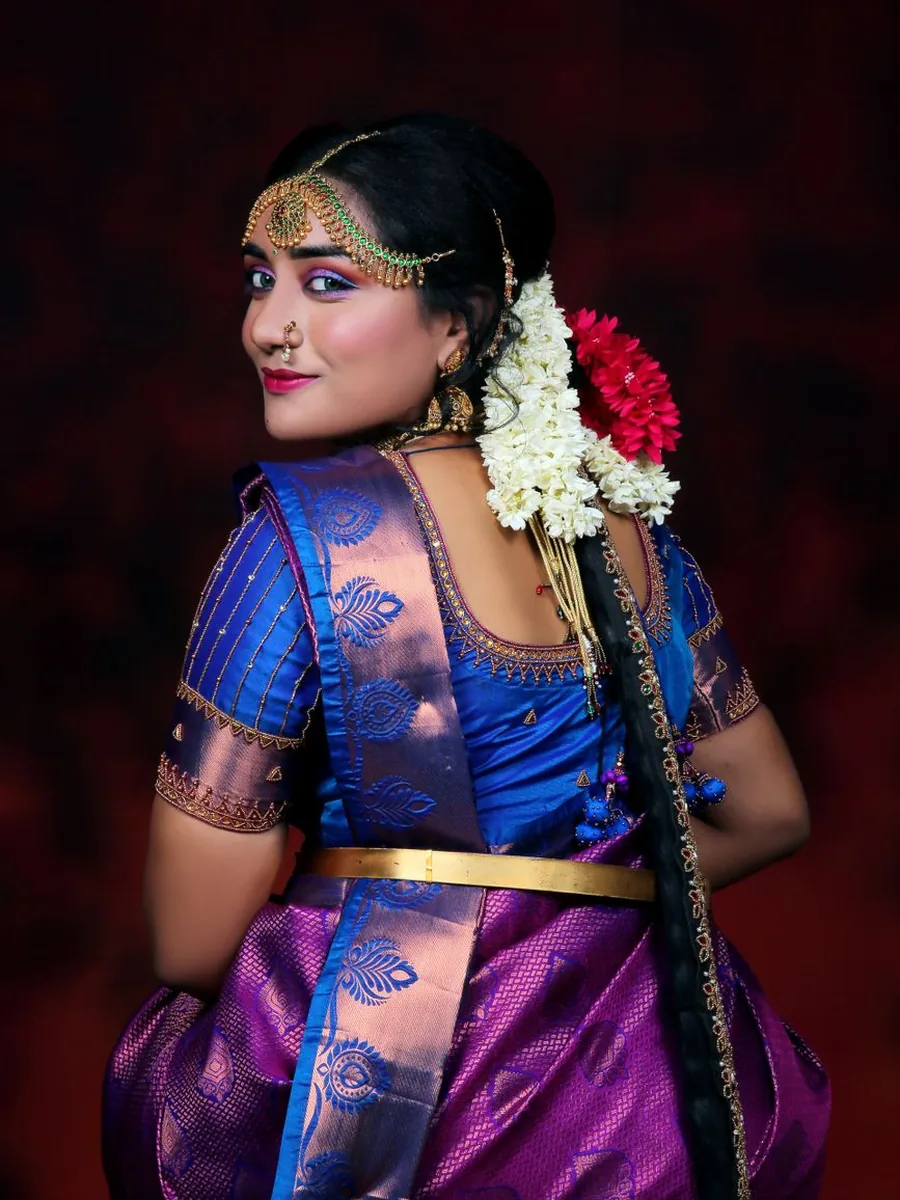
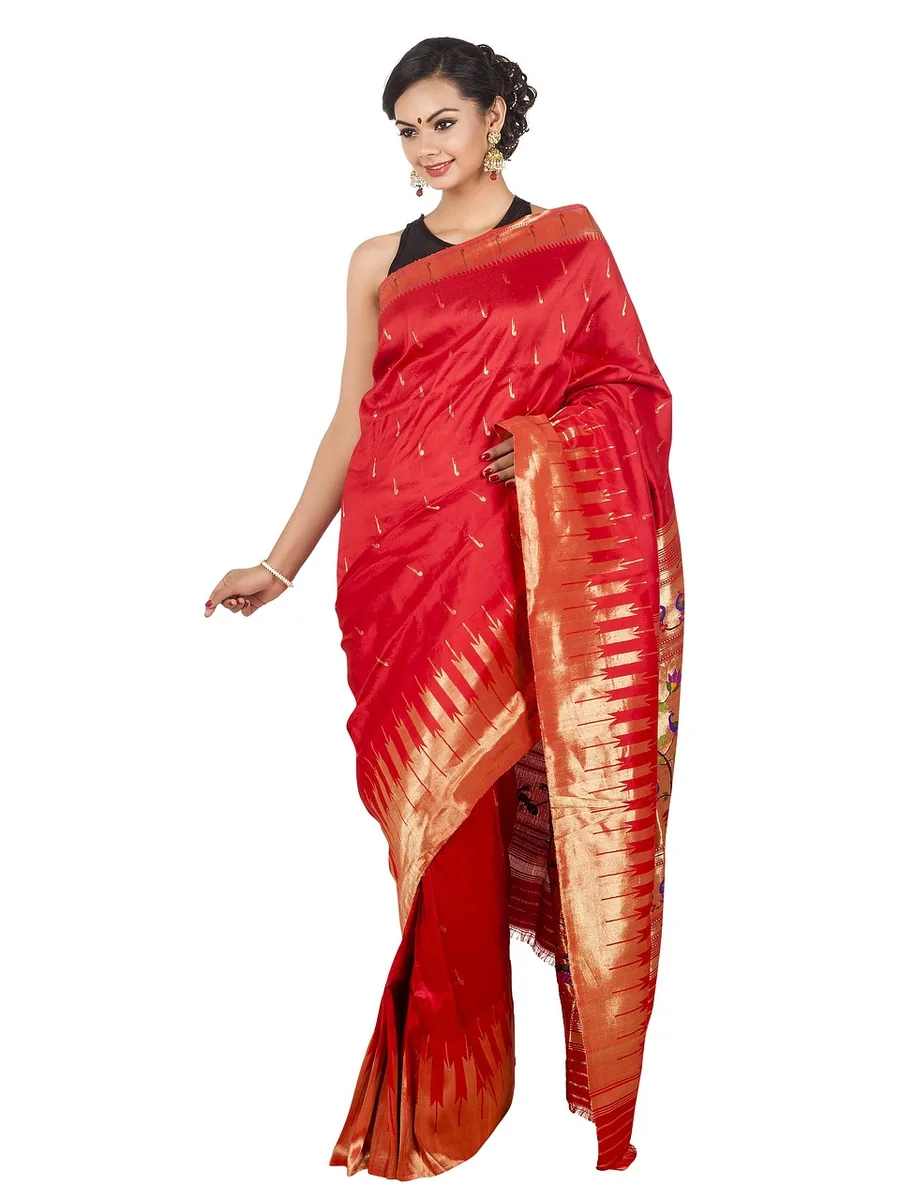
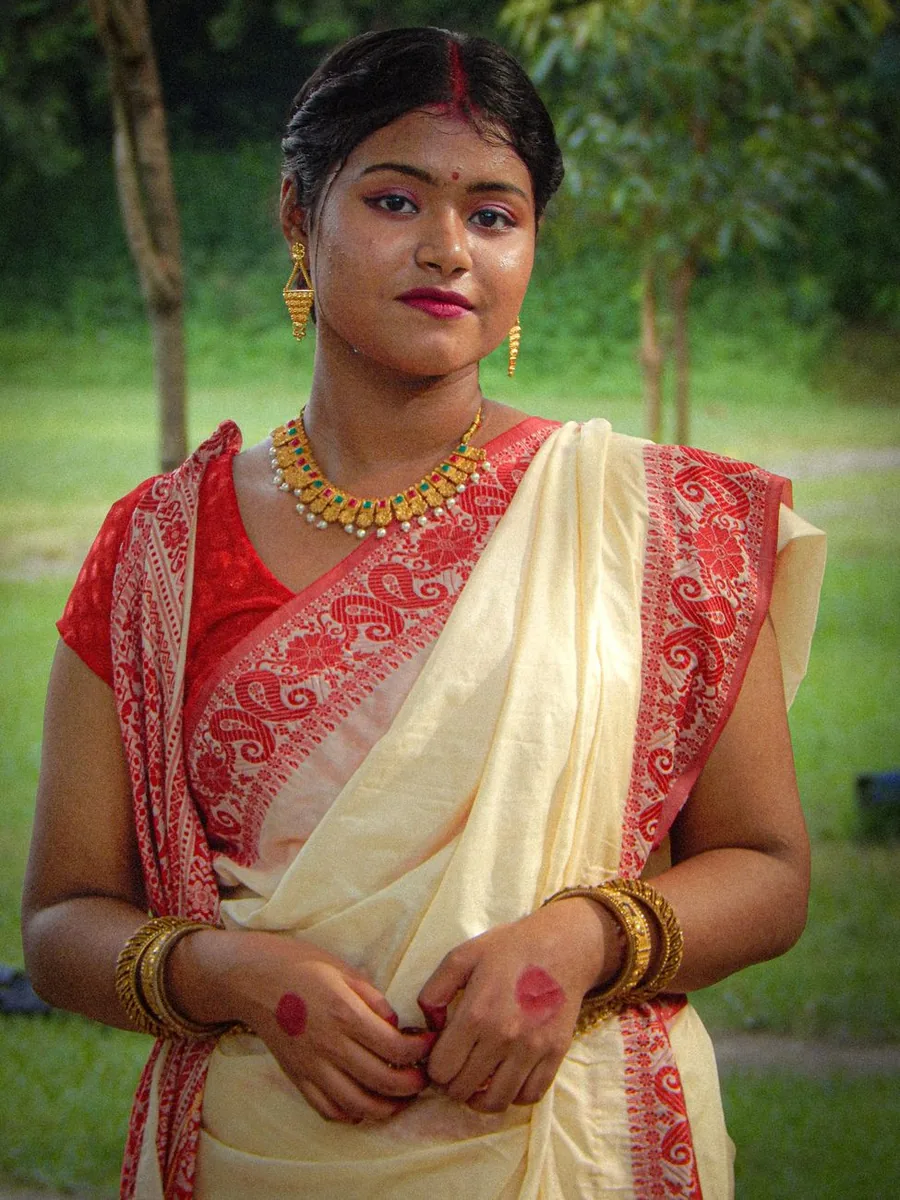
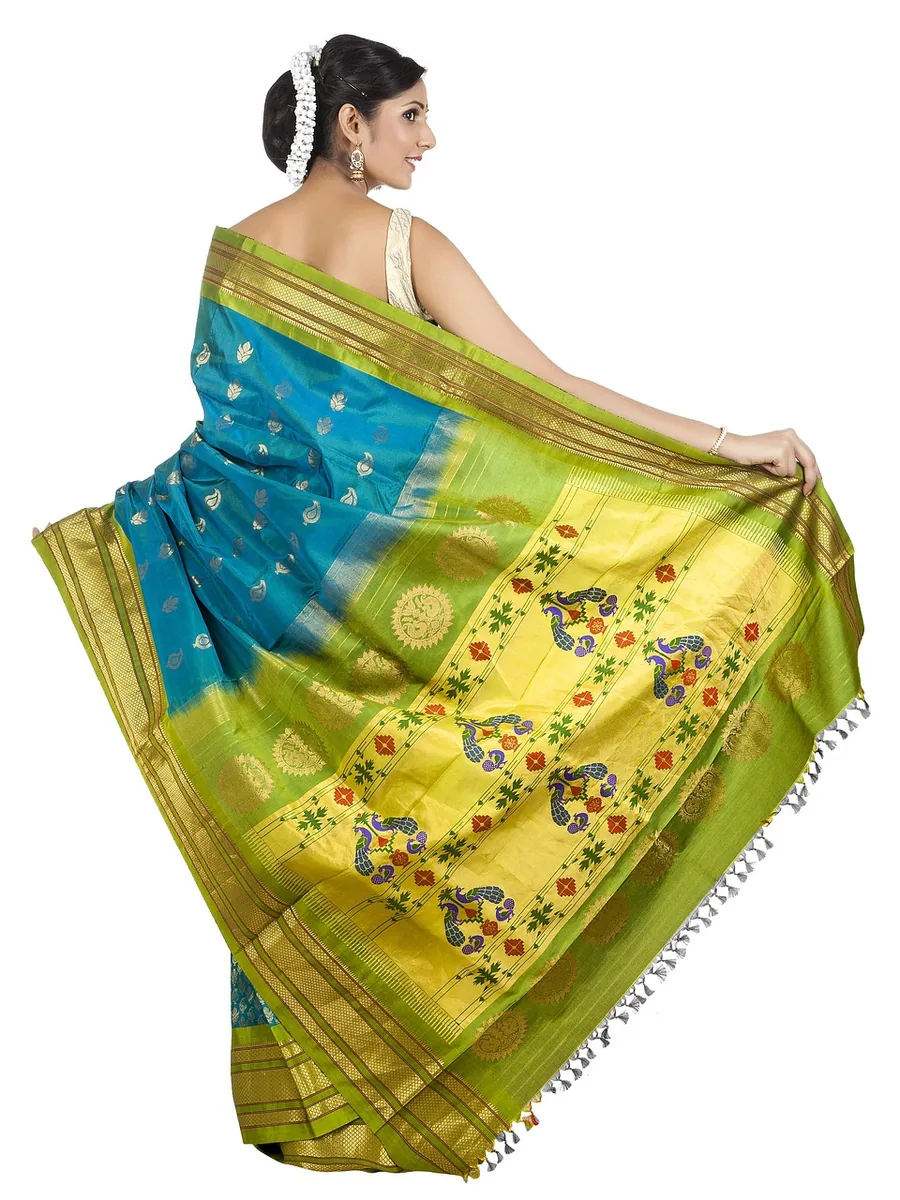
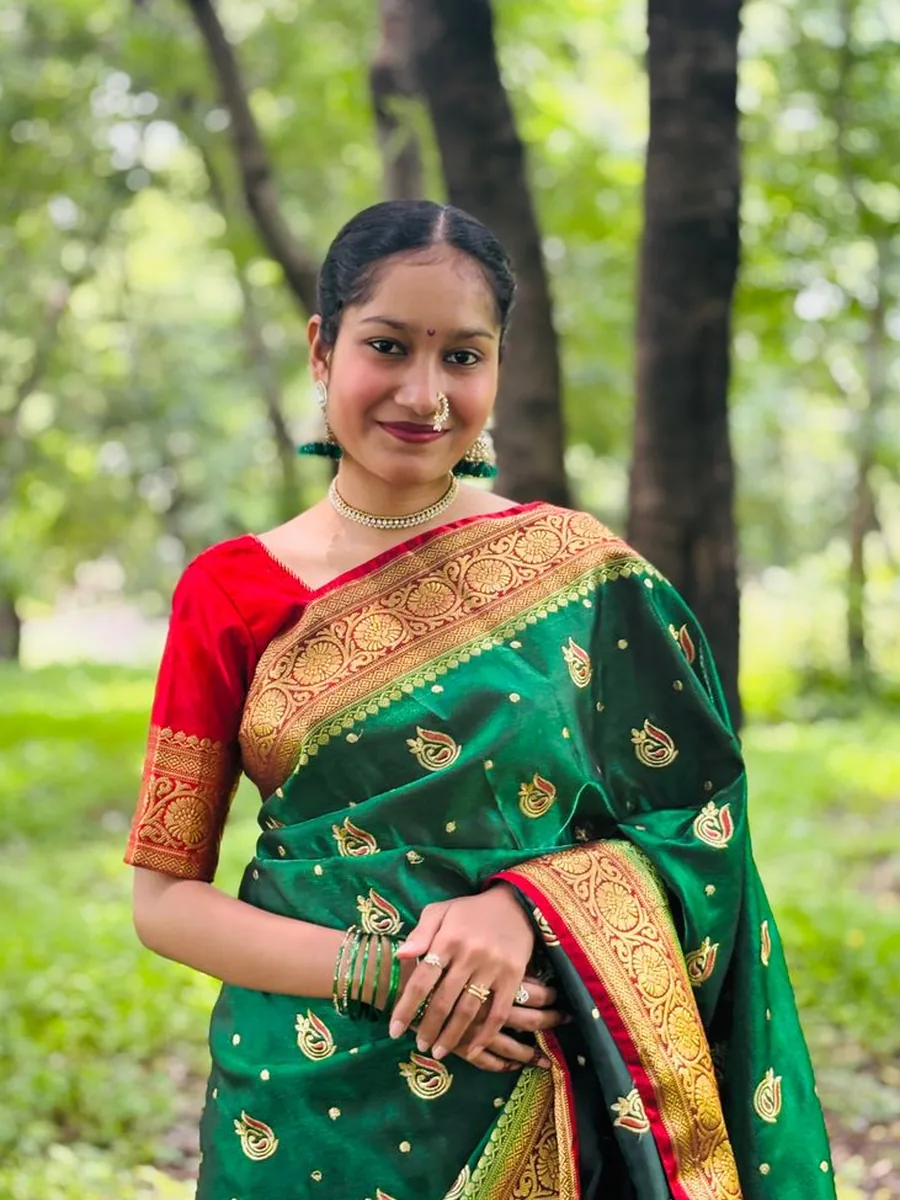

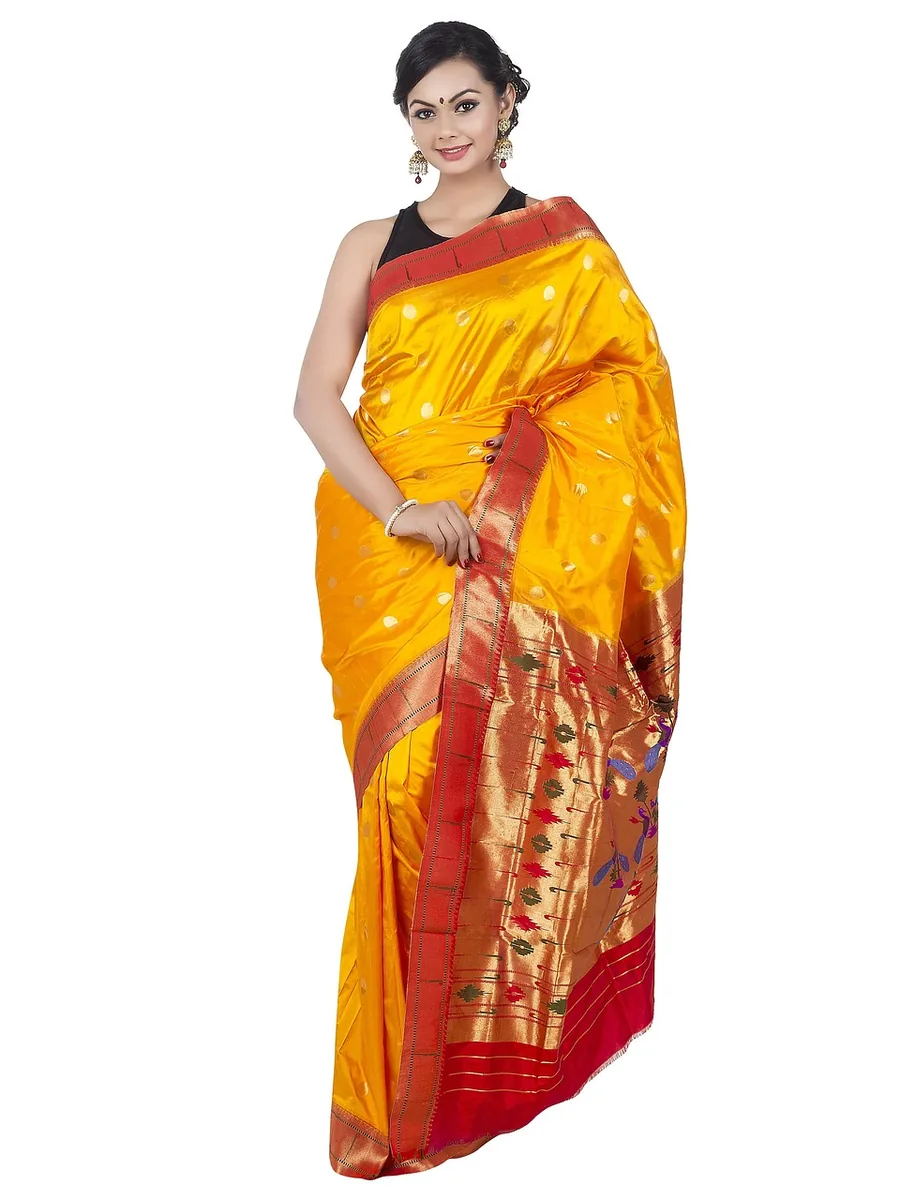
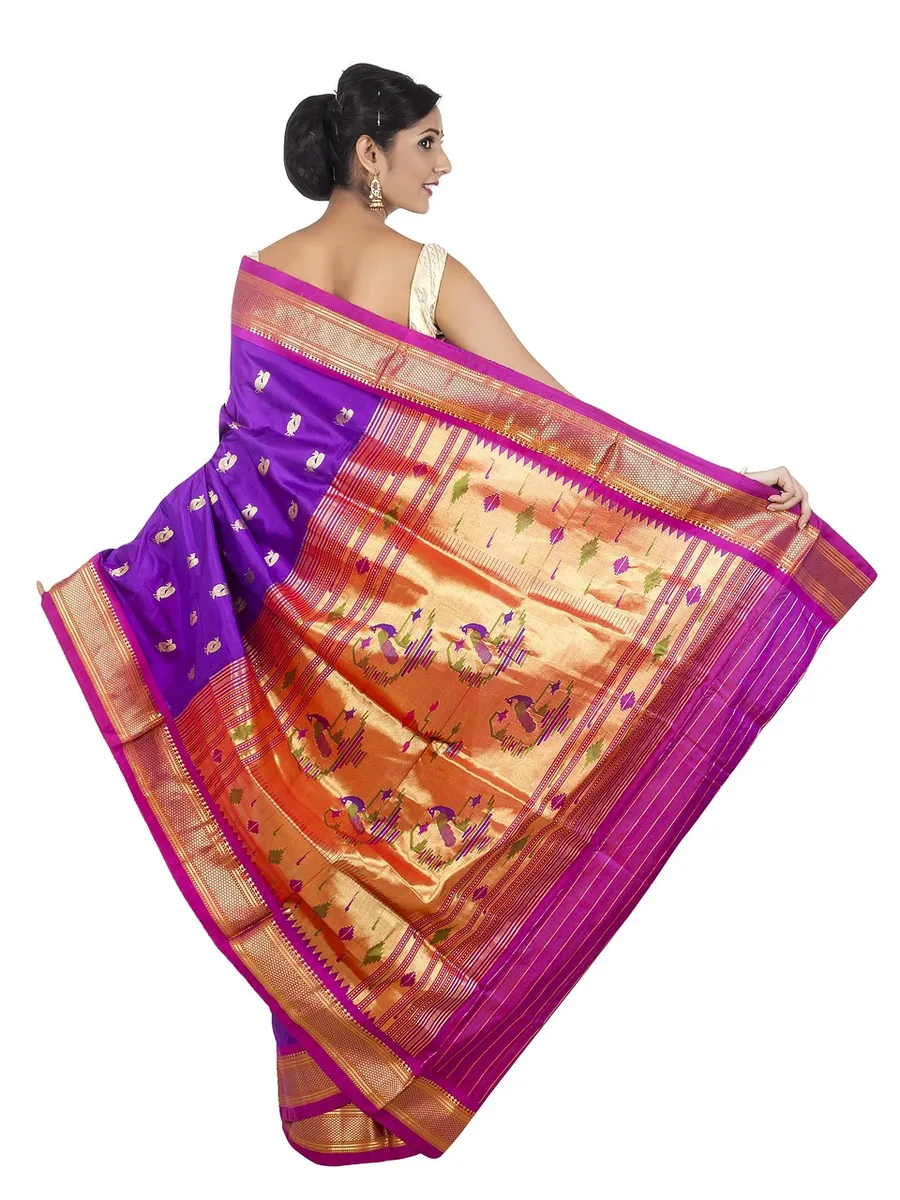
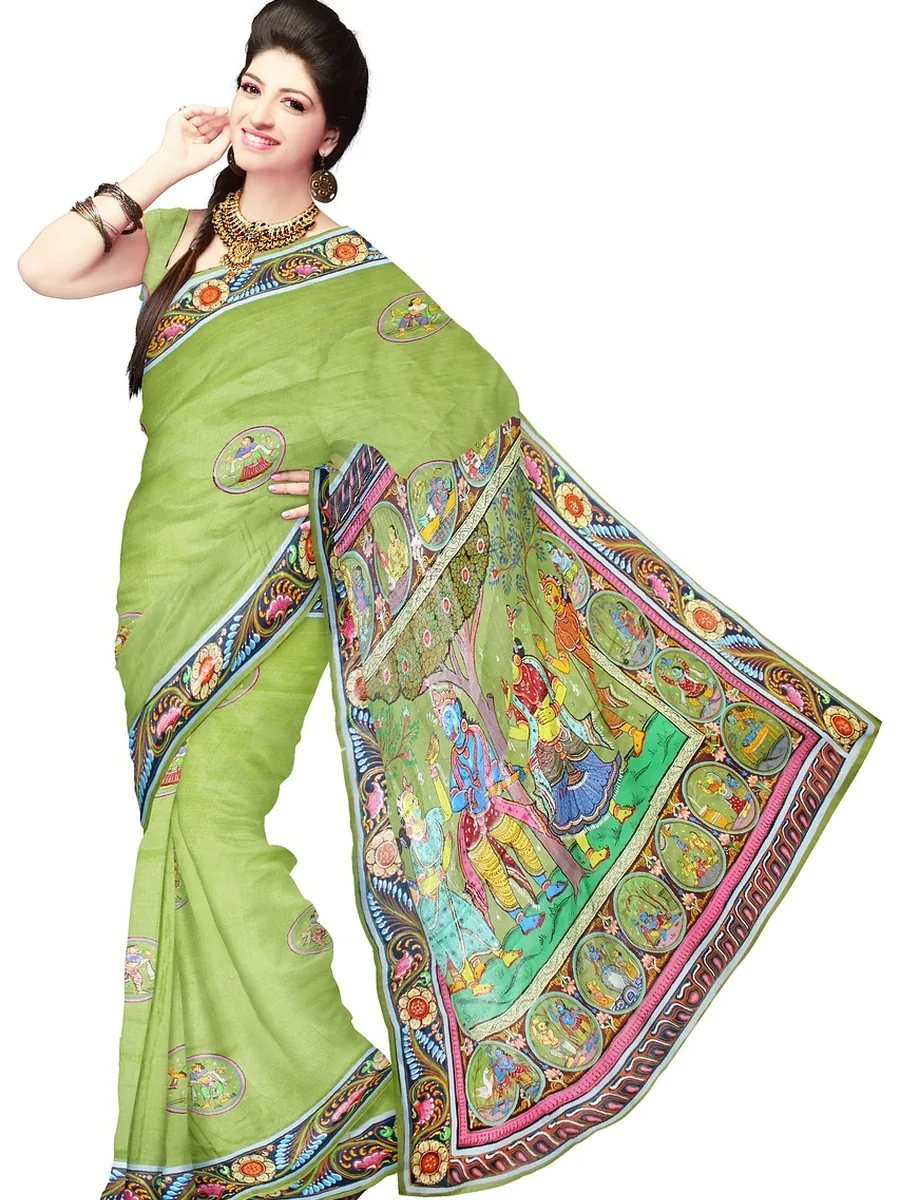
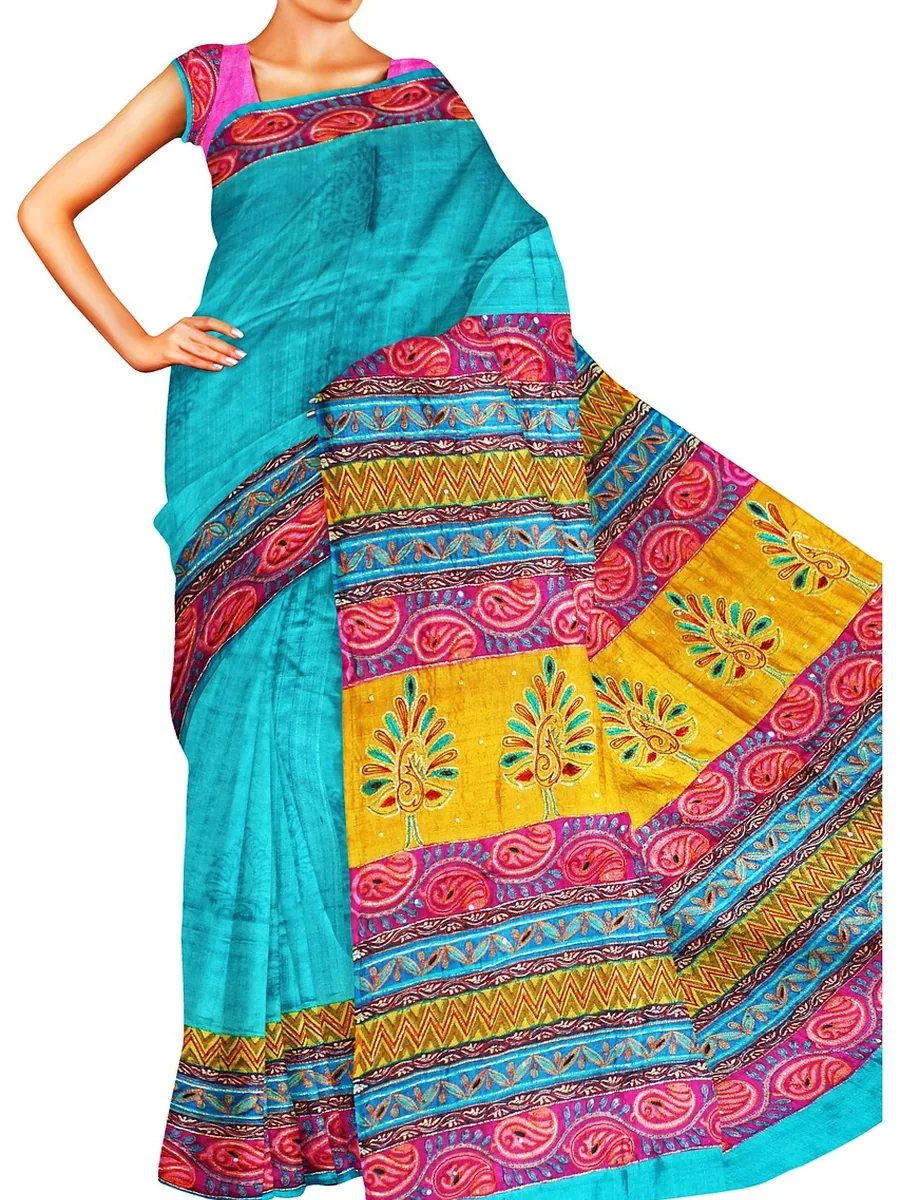

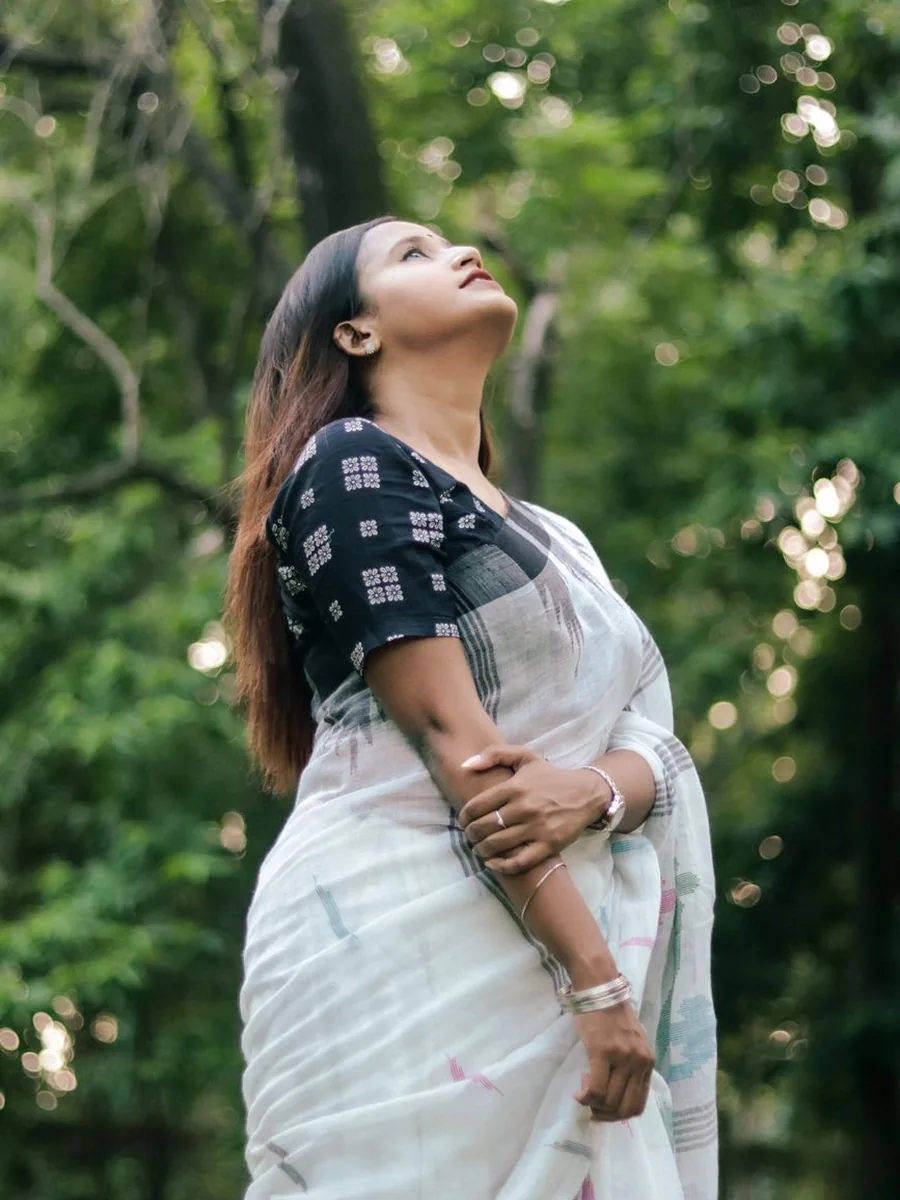
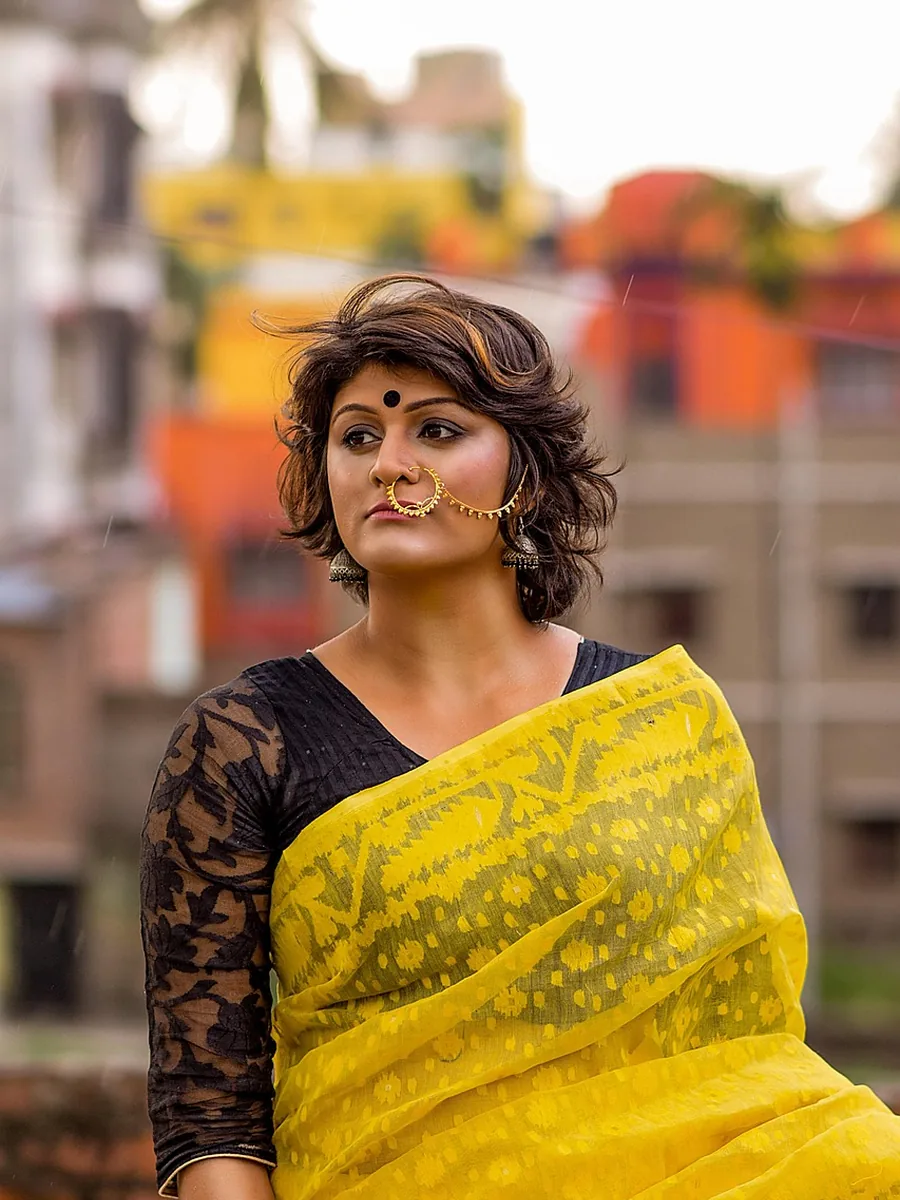
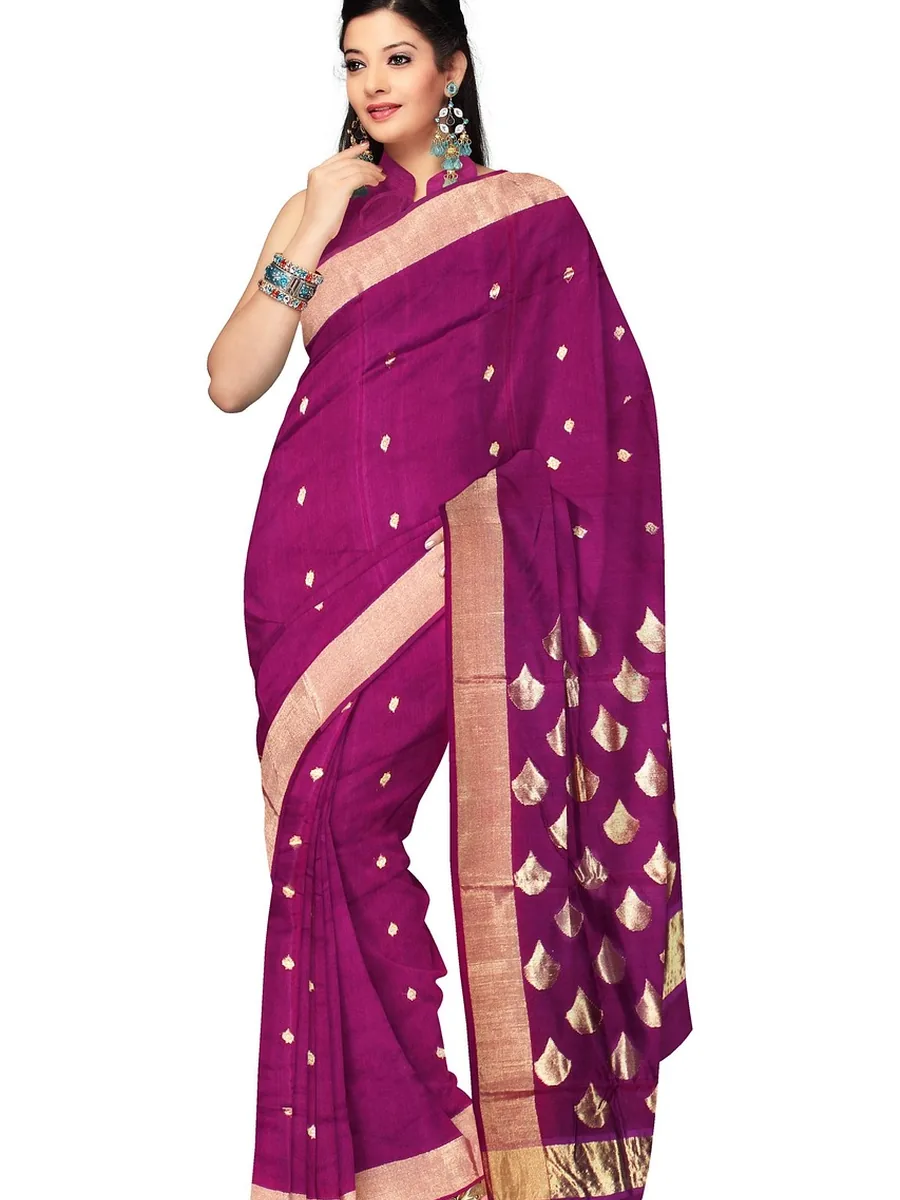
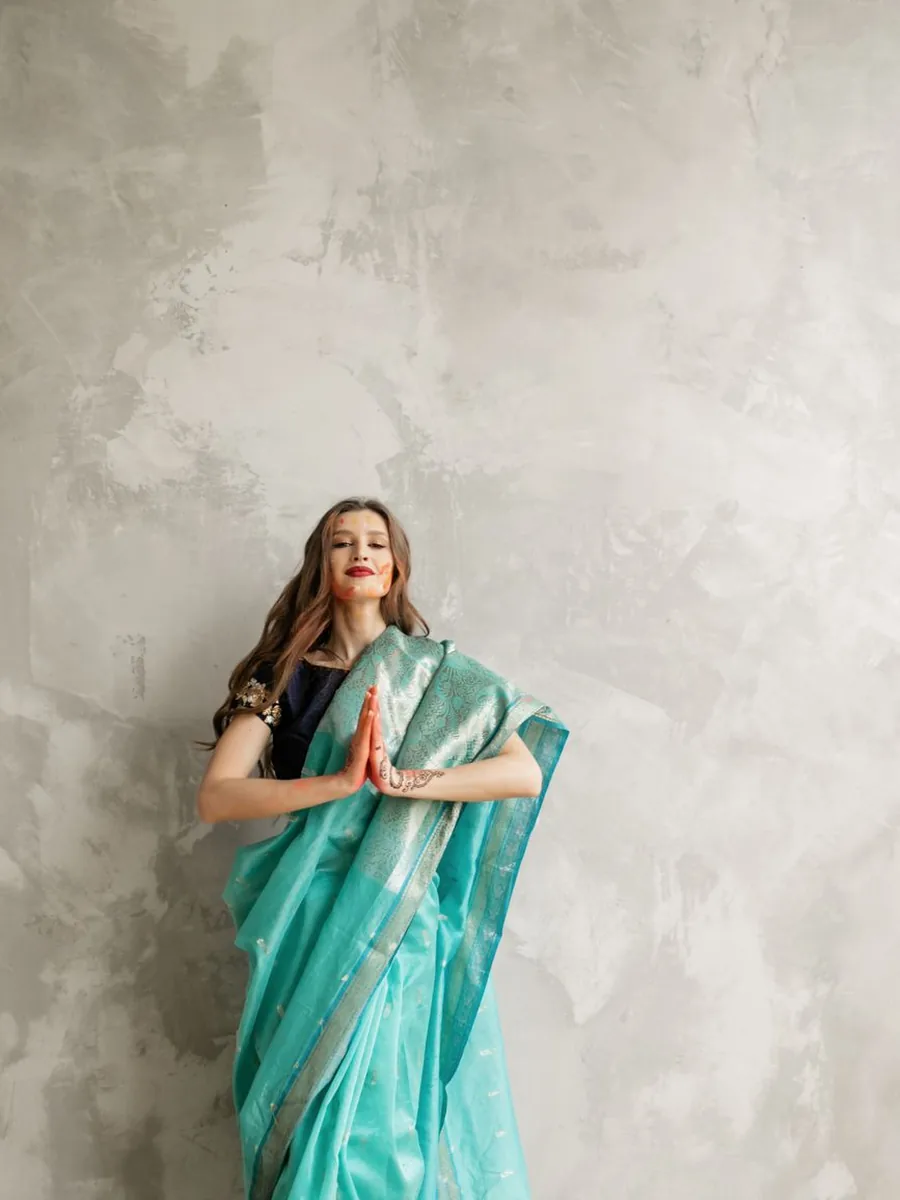
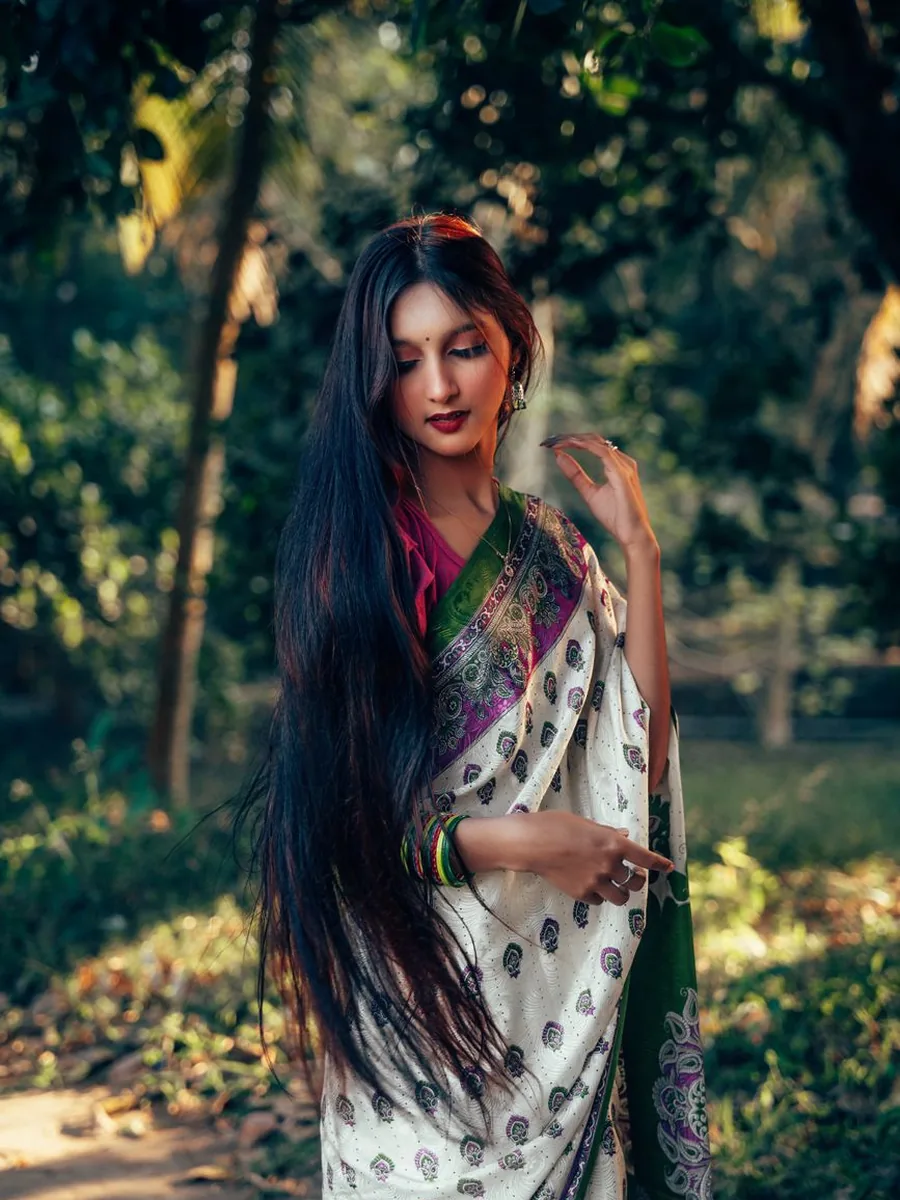
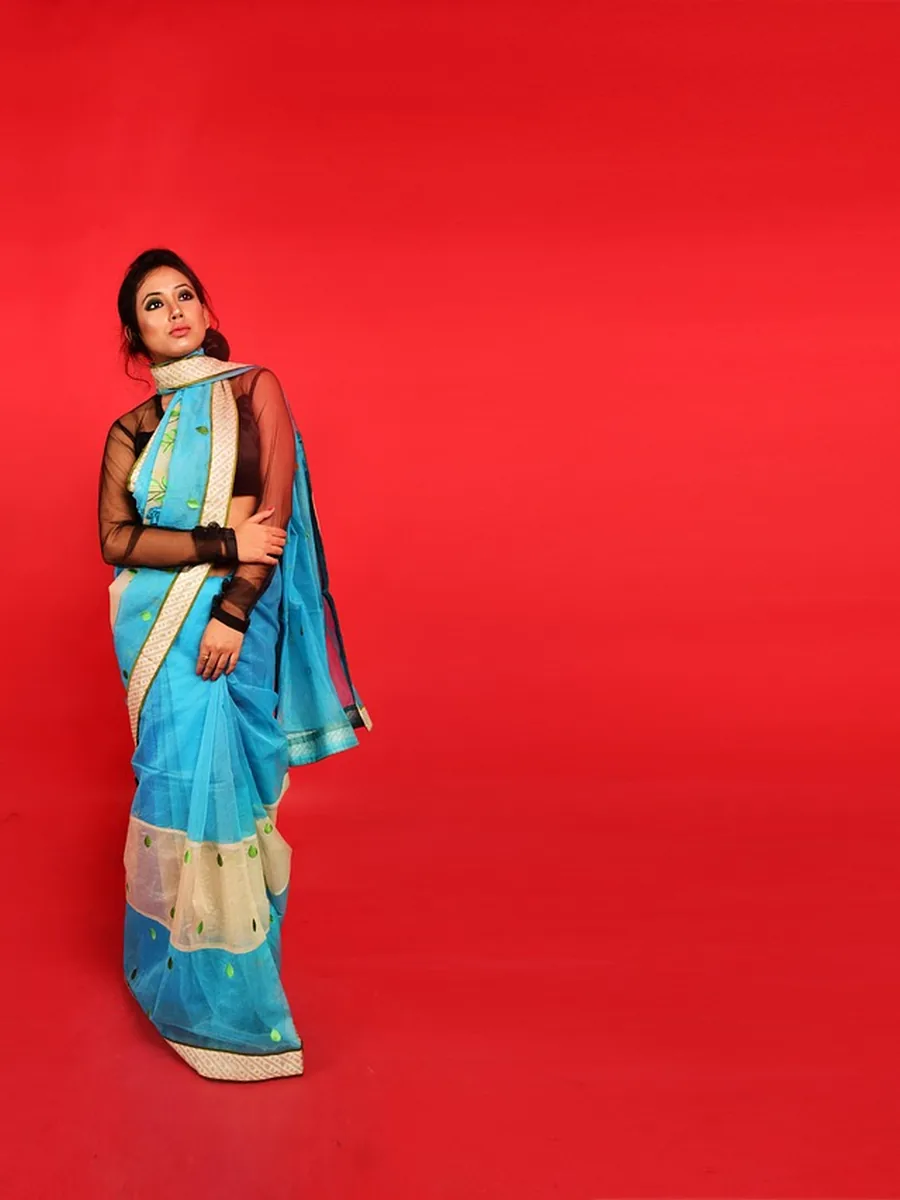
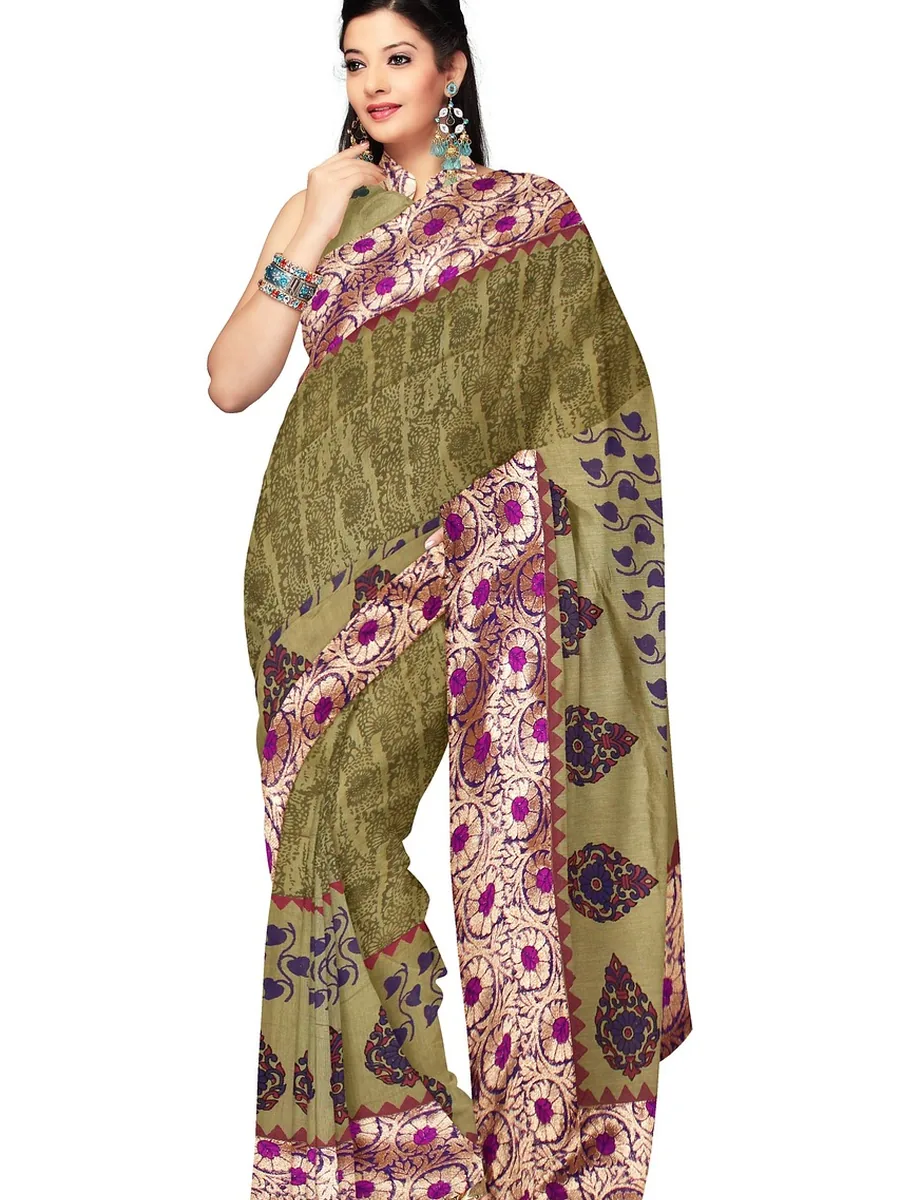
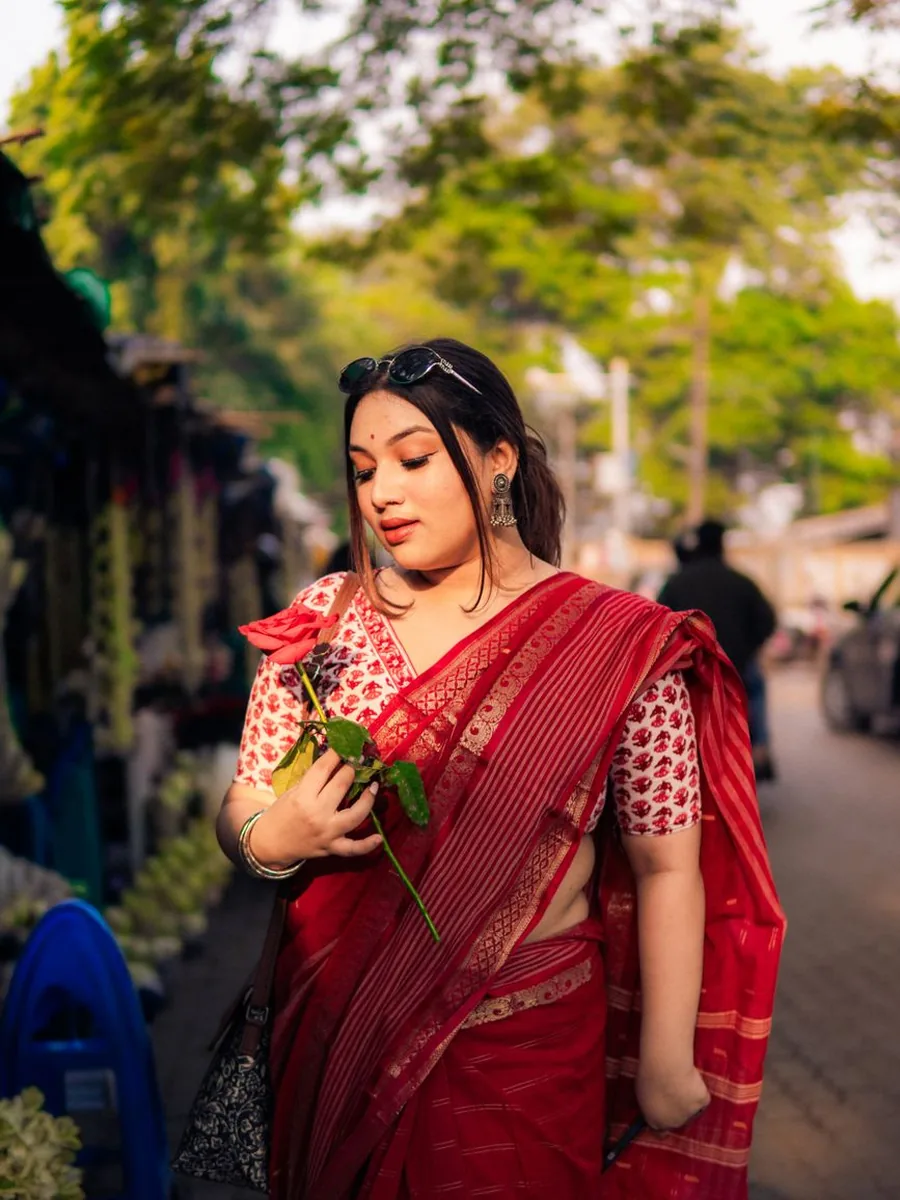
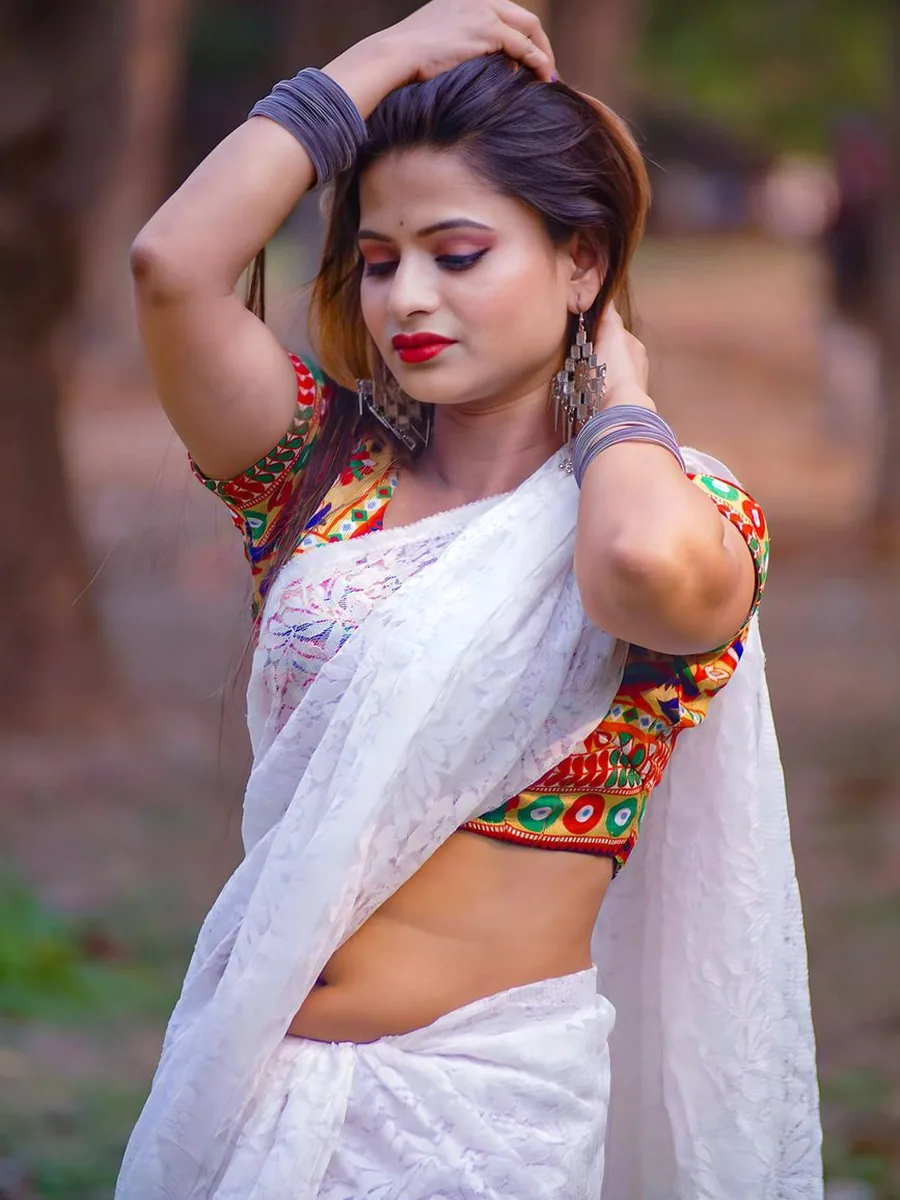
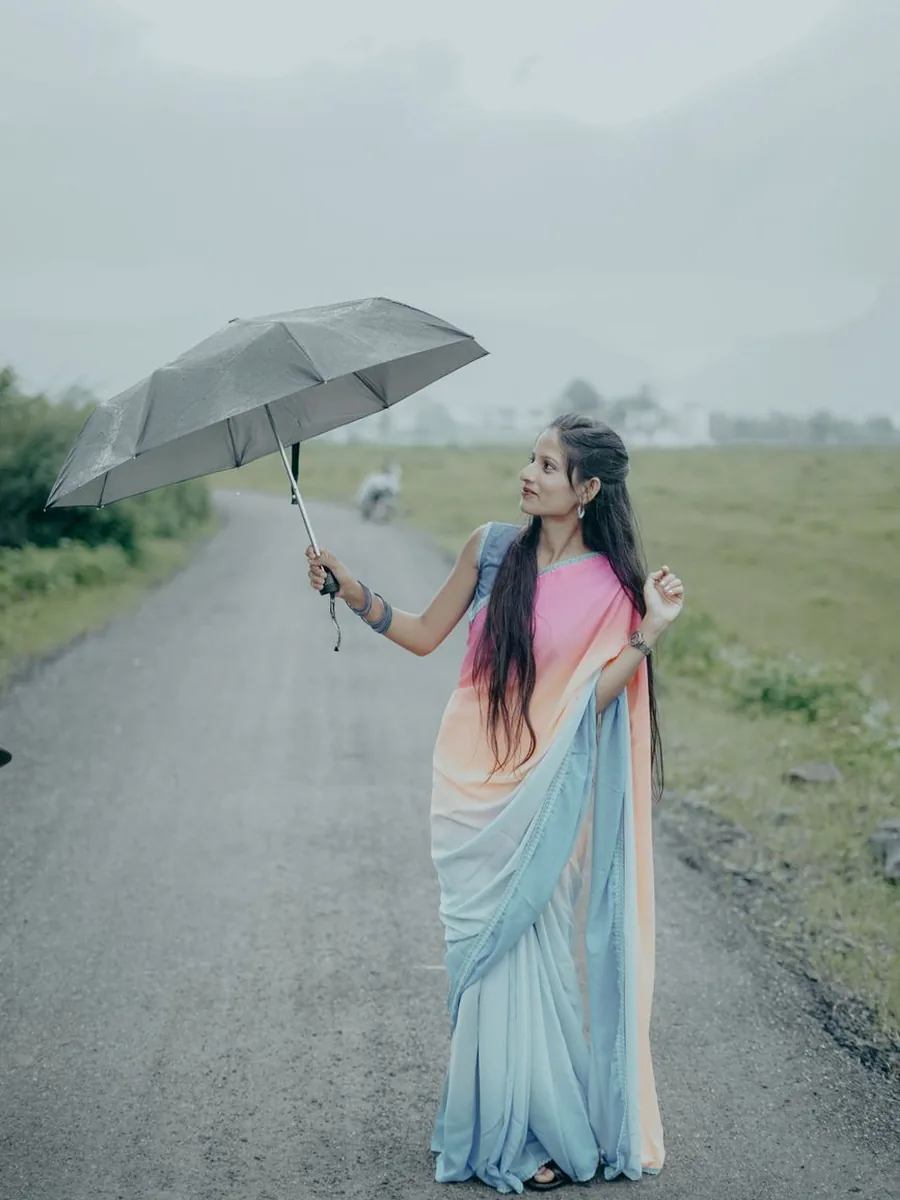
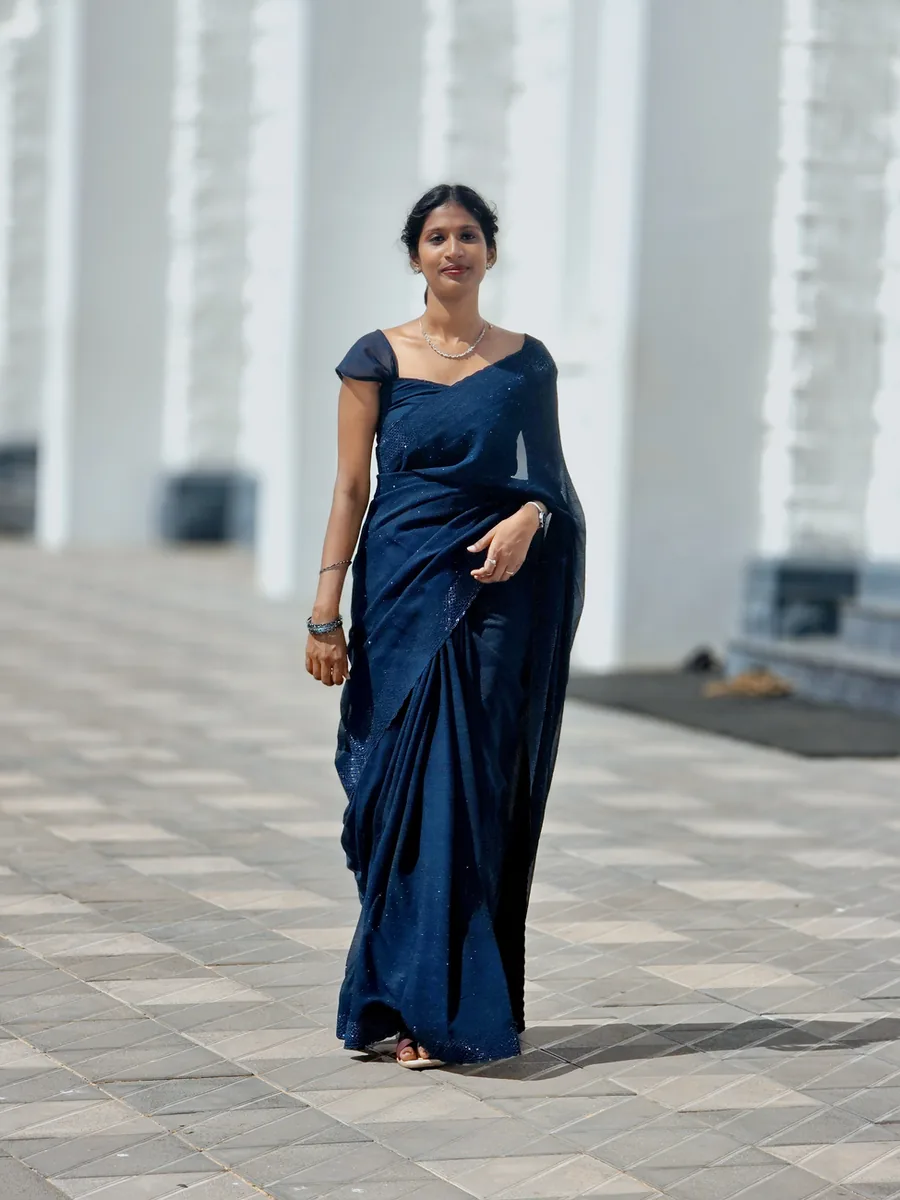
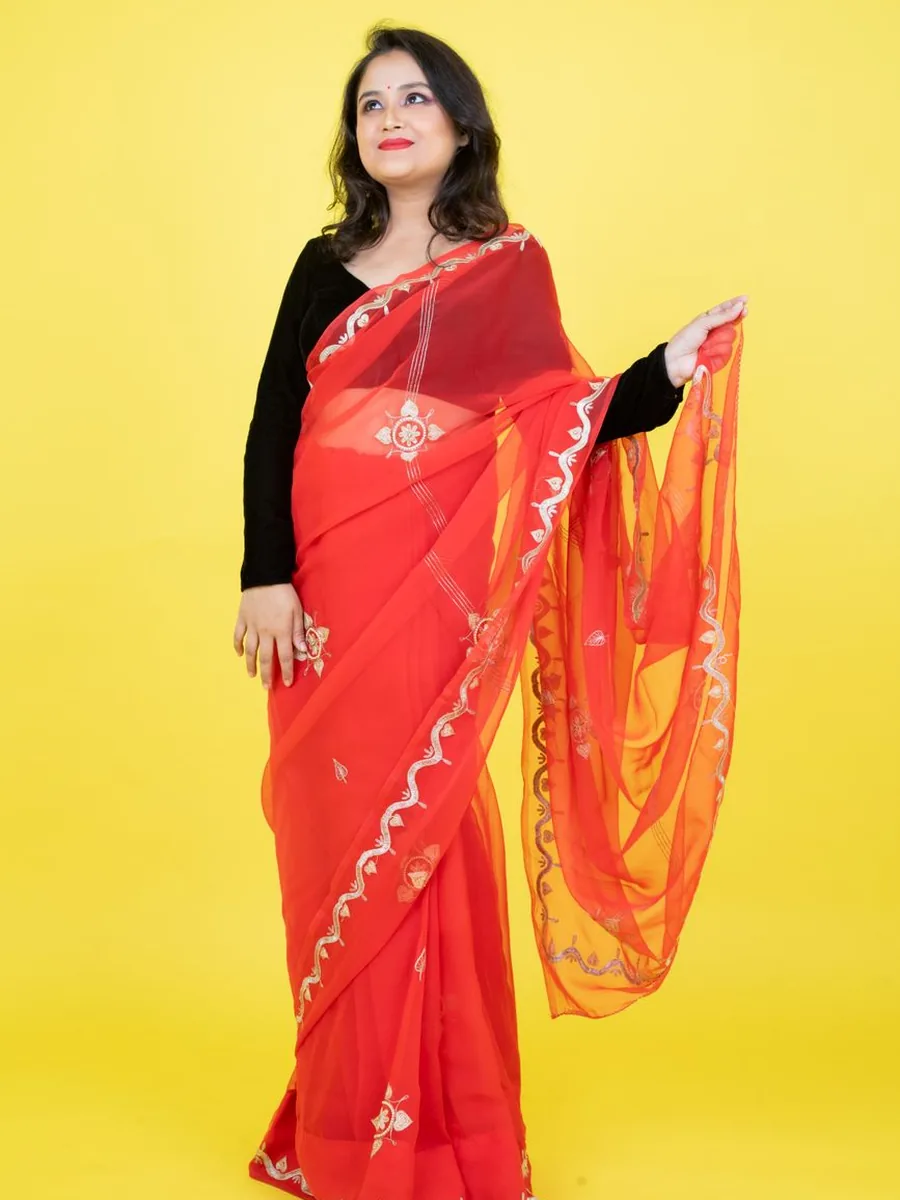
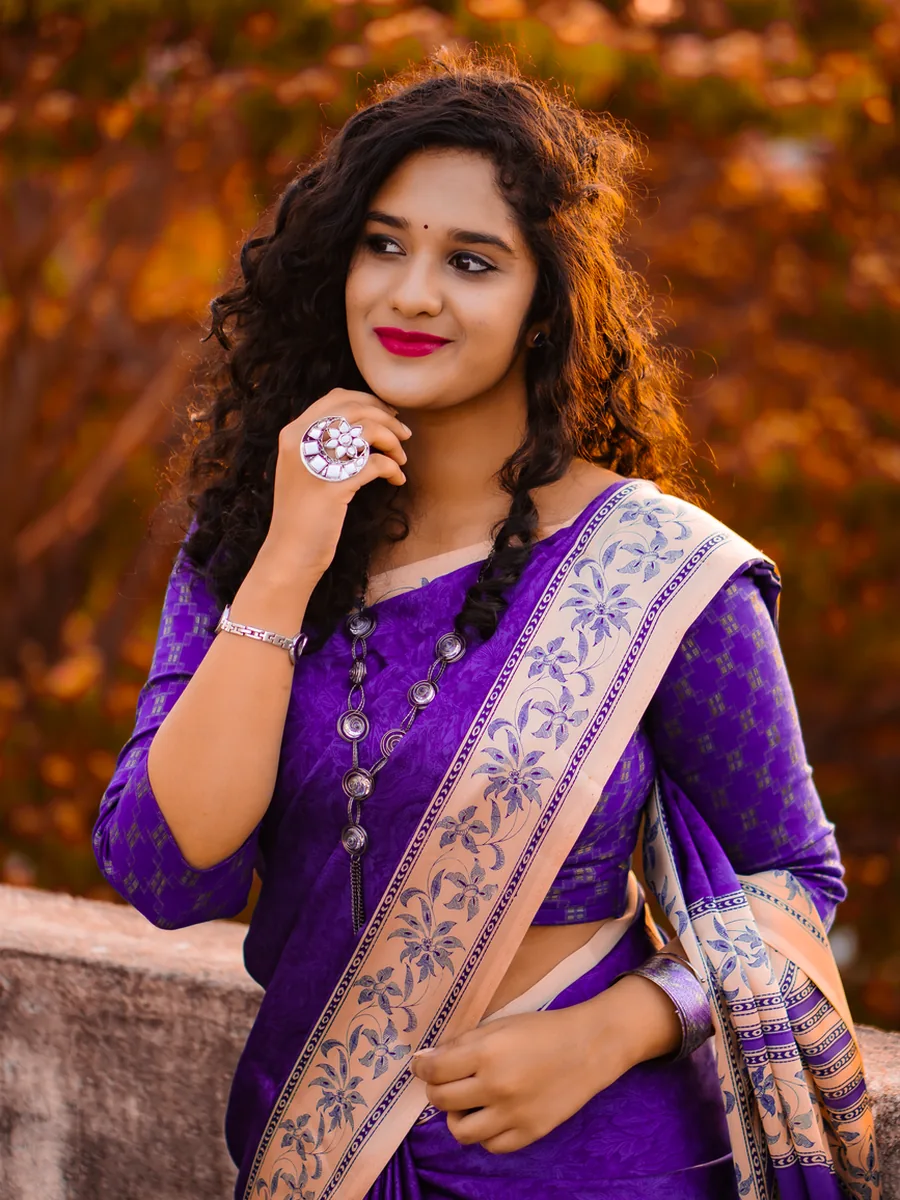
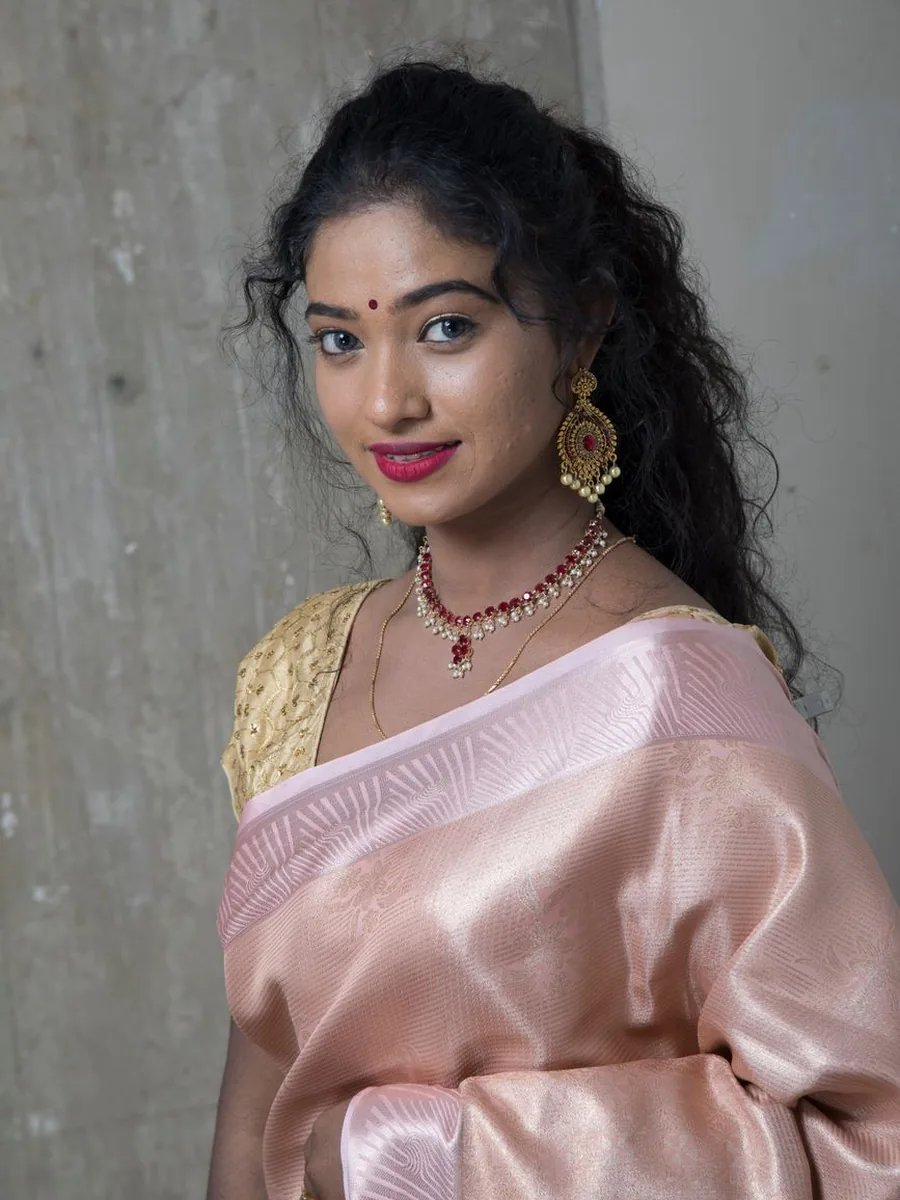
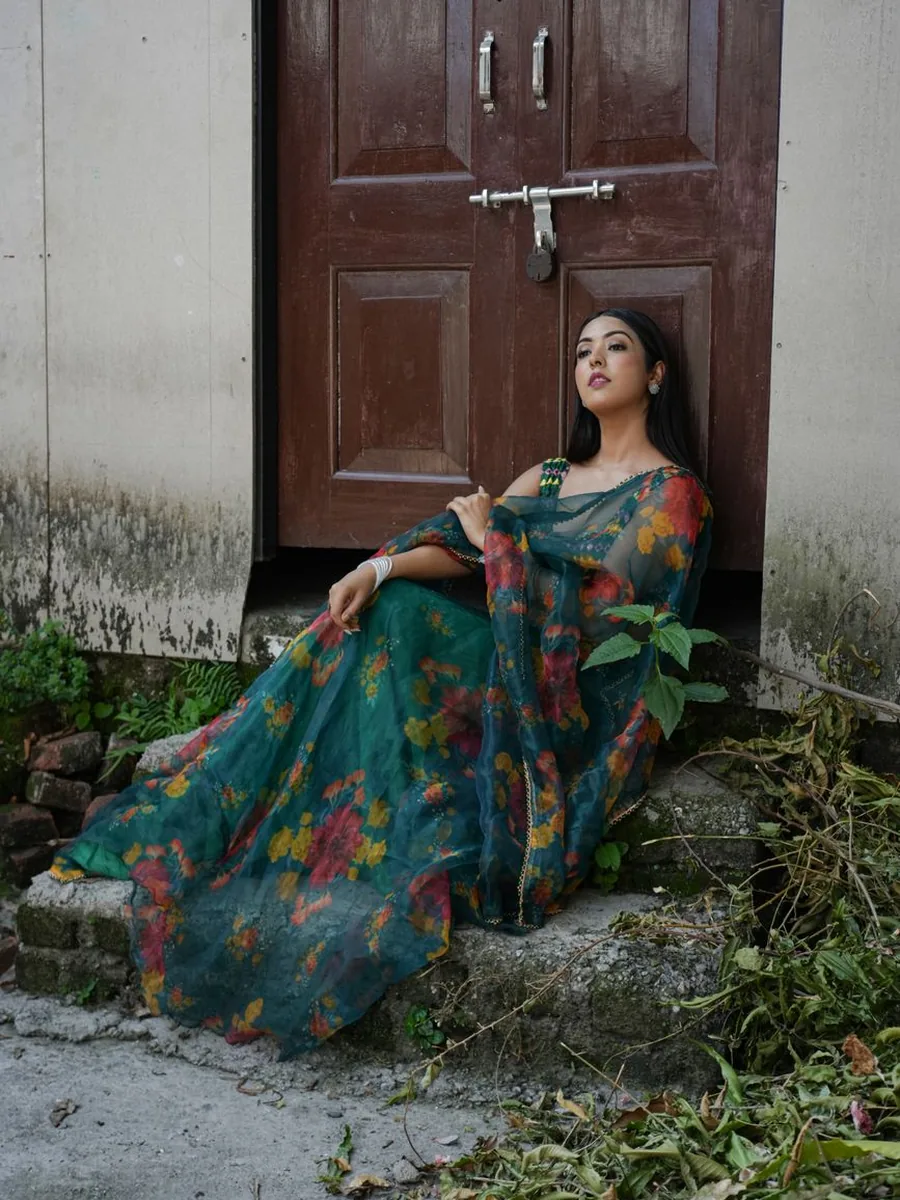
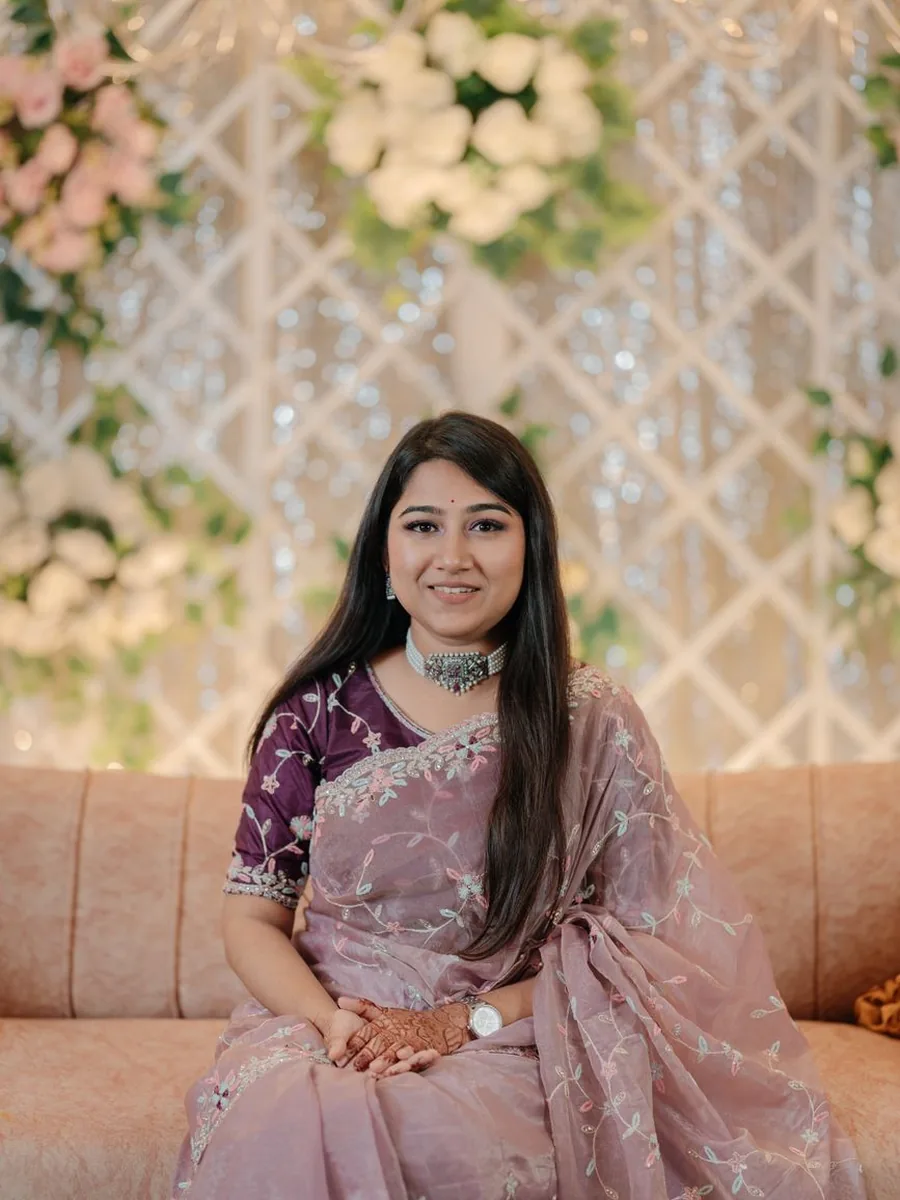
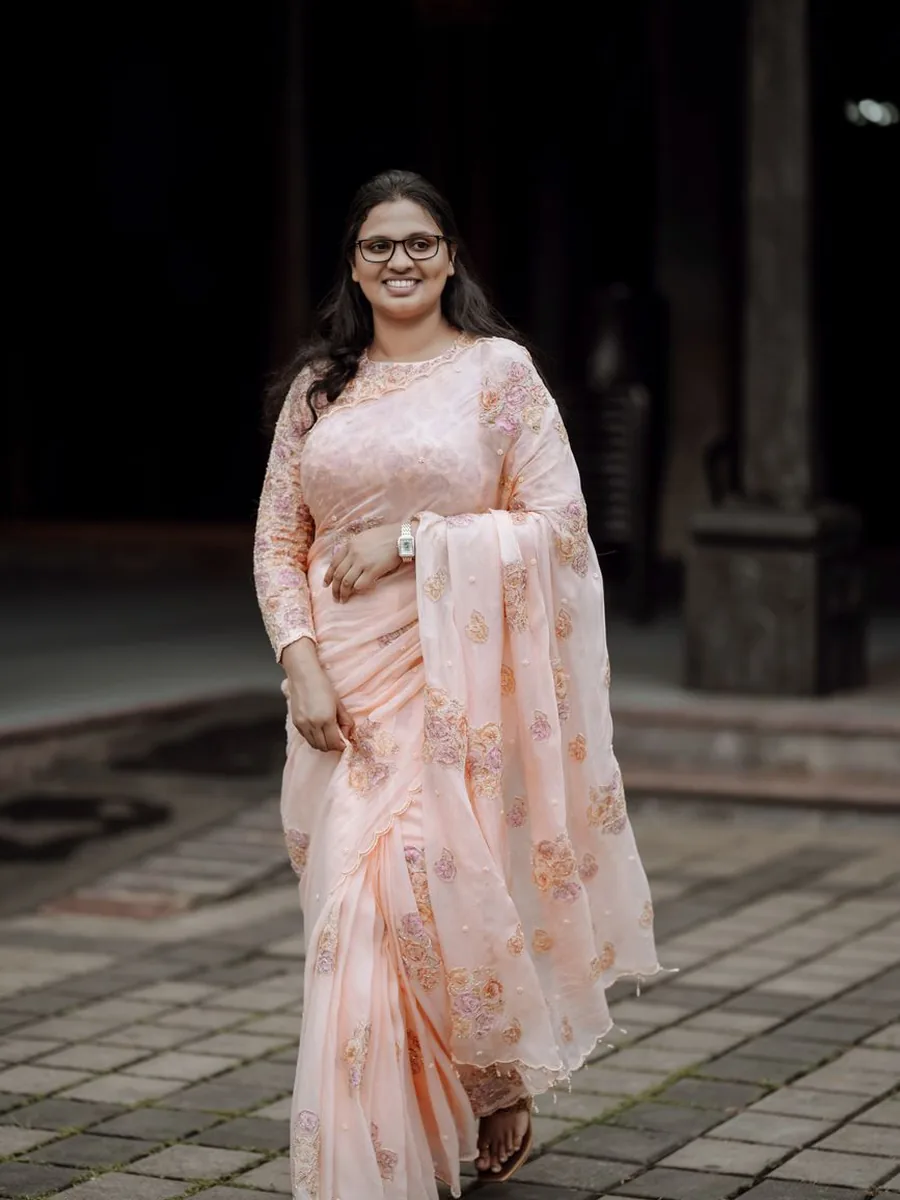

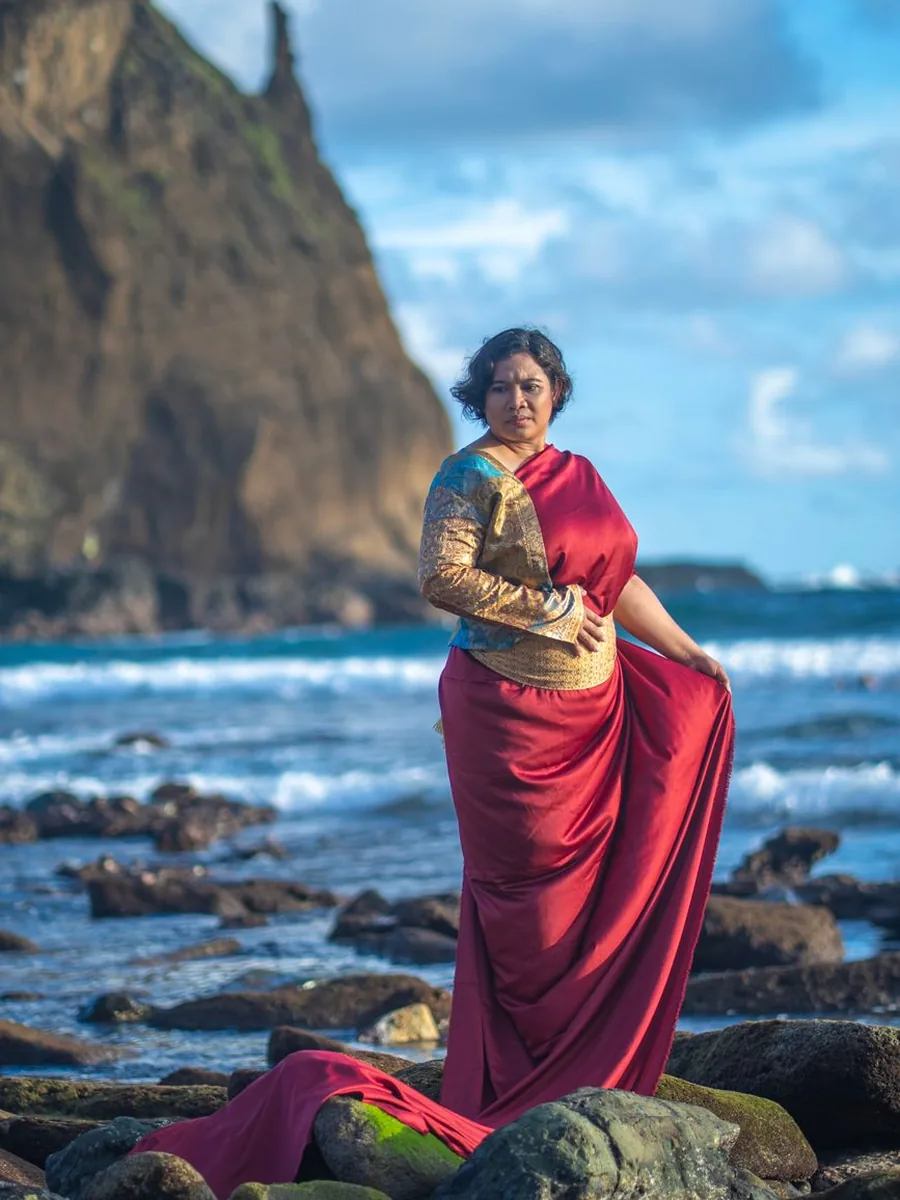
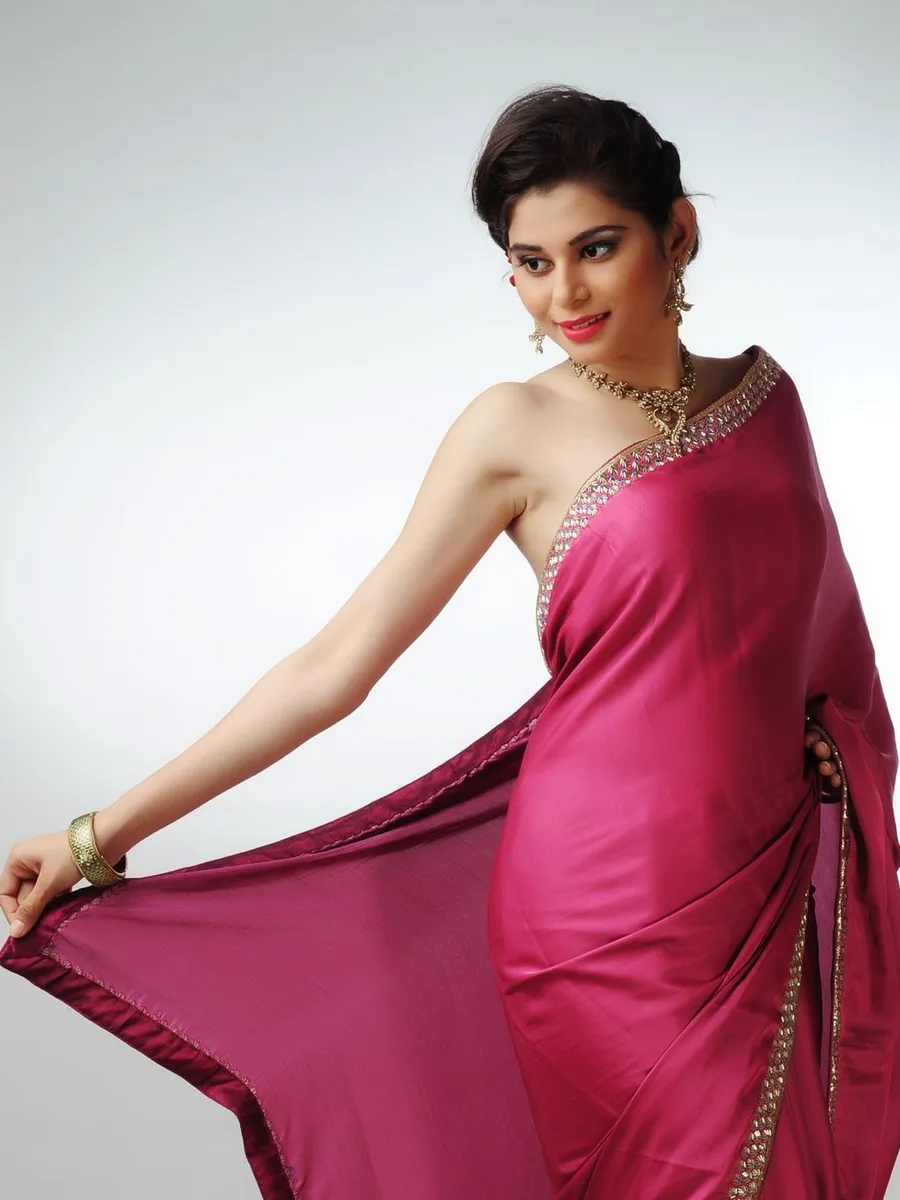
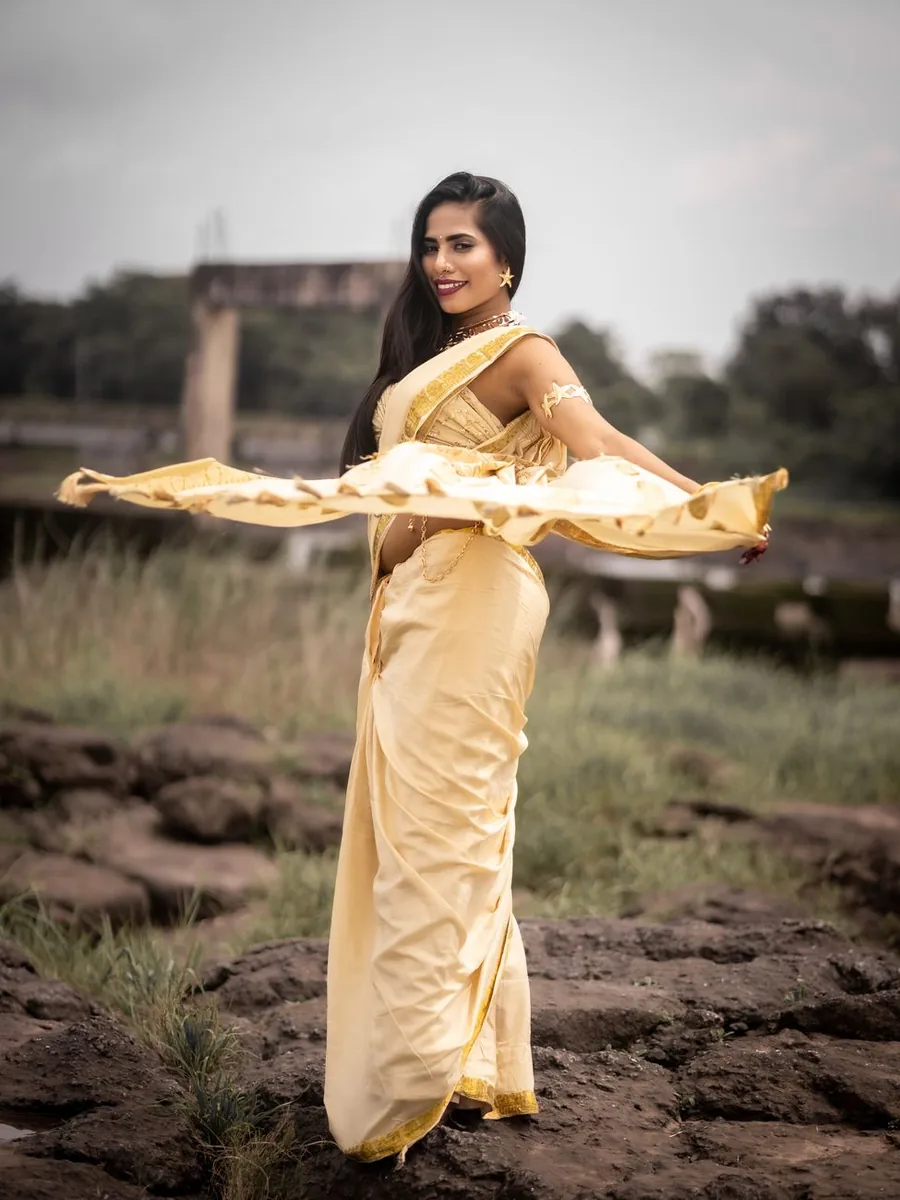
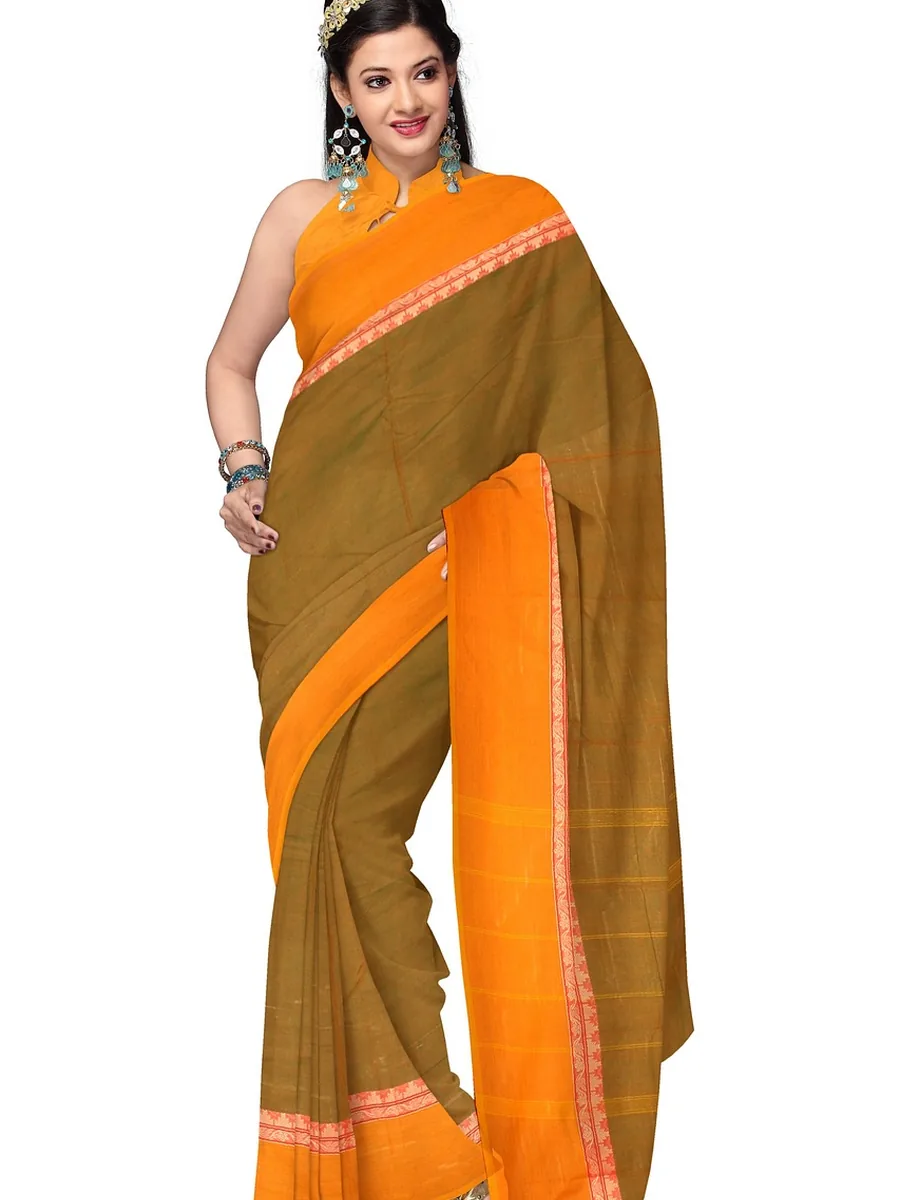
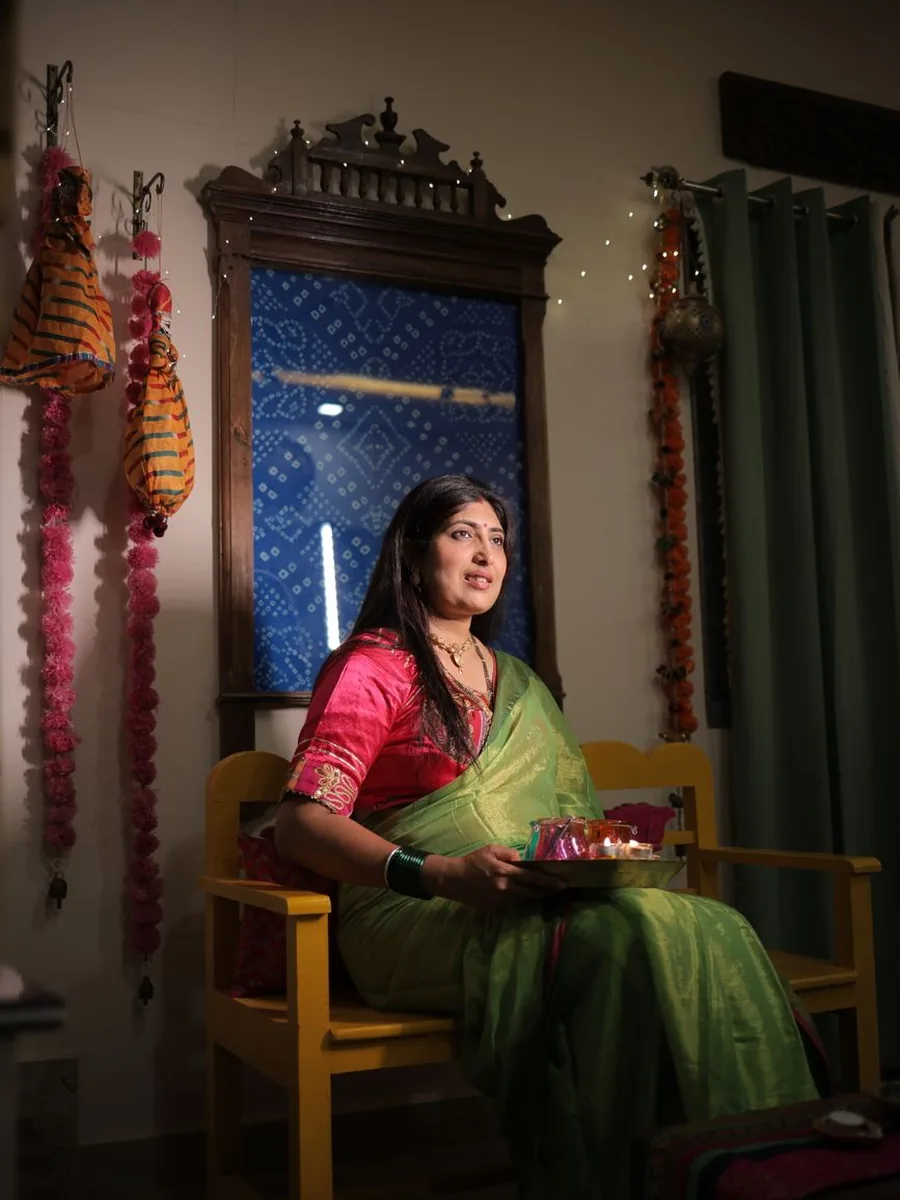
Both are silk, both carry zari and both are made for weddings. The differences are in the yarn, the motifs and the border.
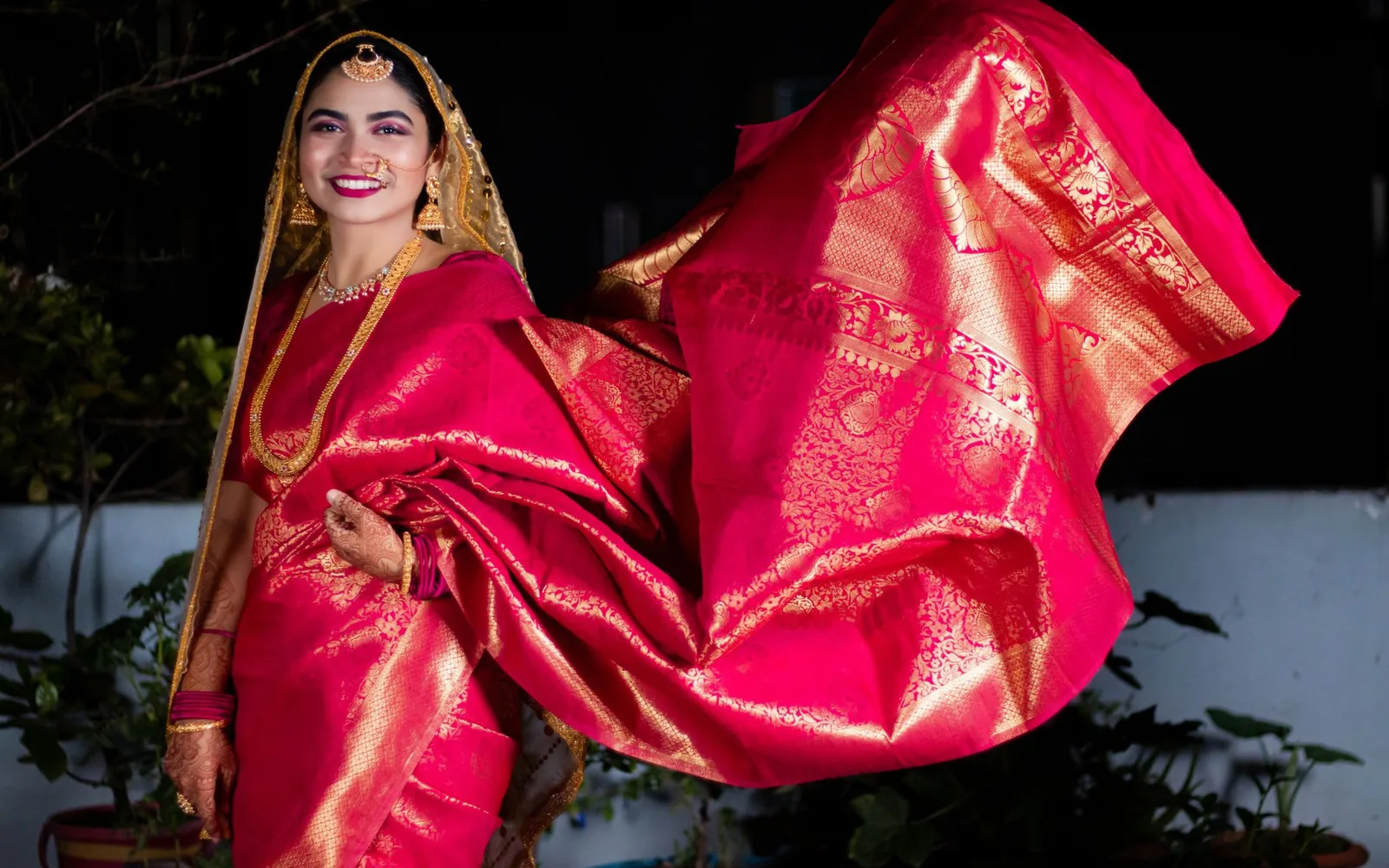
They are the two most celebrated silk sarees in the country, and they come from looms two thousand kilometres apart.
Where they are woven
Banarasi sarees come from Varanasi in Uttar Pradesh. Kanjivaram sarees come from Kanchipuram in Tamil Nadu. Each has a Geographical Indication tag, so the name can only be used for sarees woven in that region.
The silk
A Kanjivaram uses three-ply mulberry silk, which makes it heavier and stiffer, with broad sculpted pleats. A Banarasi is usually woven in katan or a finer silk, so it feels softer and falls closer to the body.
The motifs
Banarasi designs lean on Mughal patterns: jaal trellises, kalga and bel, shikargah hunting scenes. Kanjivaram motifs come from temples and nature: annam, yali, rudraksha, mango and checks.
The border
In a true Kanjivaram the border and body are woven separately and interlocked by hand, a join called korvai. You can feel a faint ridge where they meet. A Banarasi border is woven as one piece with the body.
Which one should you choose?
For a muhurtham or a traditional South Indian ceremony, a Kanjivaram. For a reception or a North Indian wedding, a Banarasi. For your own wardrobe, one of each.