Materials
We revisited four floors we laid between 1996 and 2004 to see what the oil, the traffic, and the light had done.
Why we went back.
We specify solid oak in almost every house we work on, and we tell clients it will outlast them. This spring we asked four of the earliest owners if we could come and see whether that was true.
What the oil did.
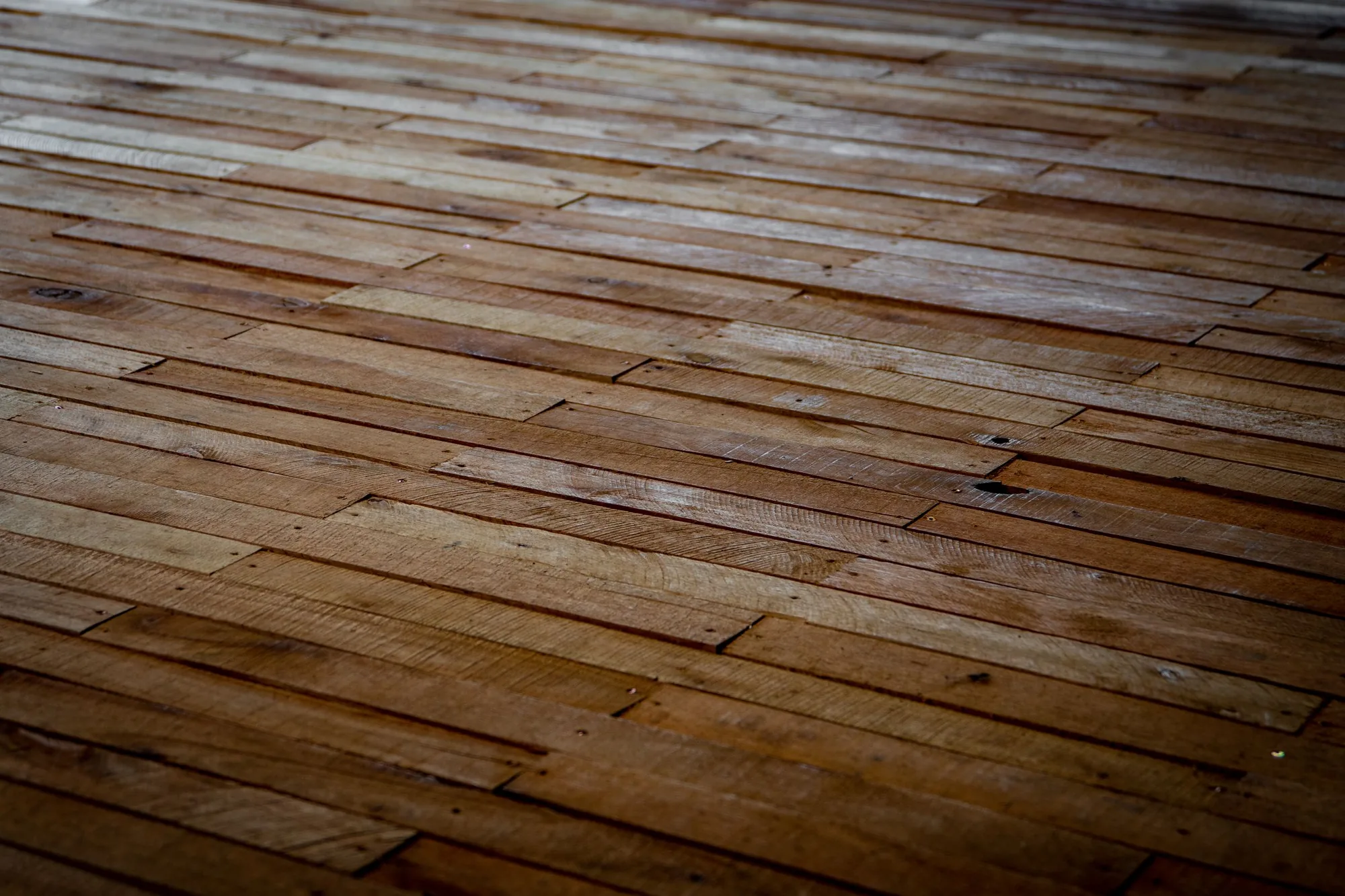
All four floors were finished with a hard wax oil and never sealed. Each has darkened to a warm honey, and the boards near the windows have gone a shade paler than the rest, where the sun reaches them every afternoon.
None has been sanded. Two have been re-oiled twice, one once, and one never, and the difference is smaller than we expected. The unoiled floor is drier to the touch but shows no wear that a single coat would not lift.
Where the traffic shows.
The wear follows the routes people take: the kitchen to the table, the door to the stairs. On every floor those paths have softened into a low sheen rather than a scar, which is what an oiled surface does when it is walked on instead of scratched through.
What we changed.
We now lay wider boards in hallways, where the movement of narrow ones read as restless after thirty years, and we leave a spare bundle with every client so a damaged board can be replaced from the same batch.
More insights to explore.
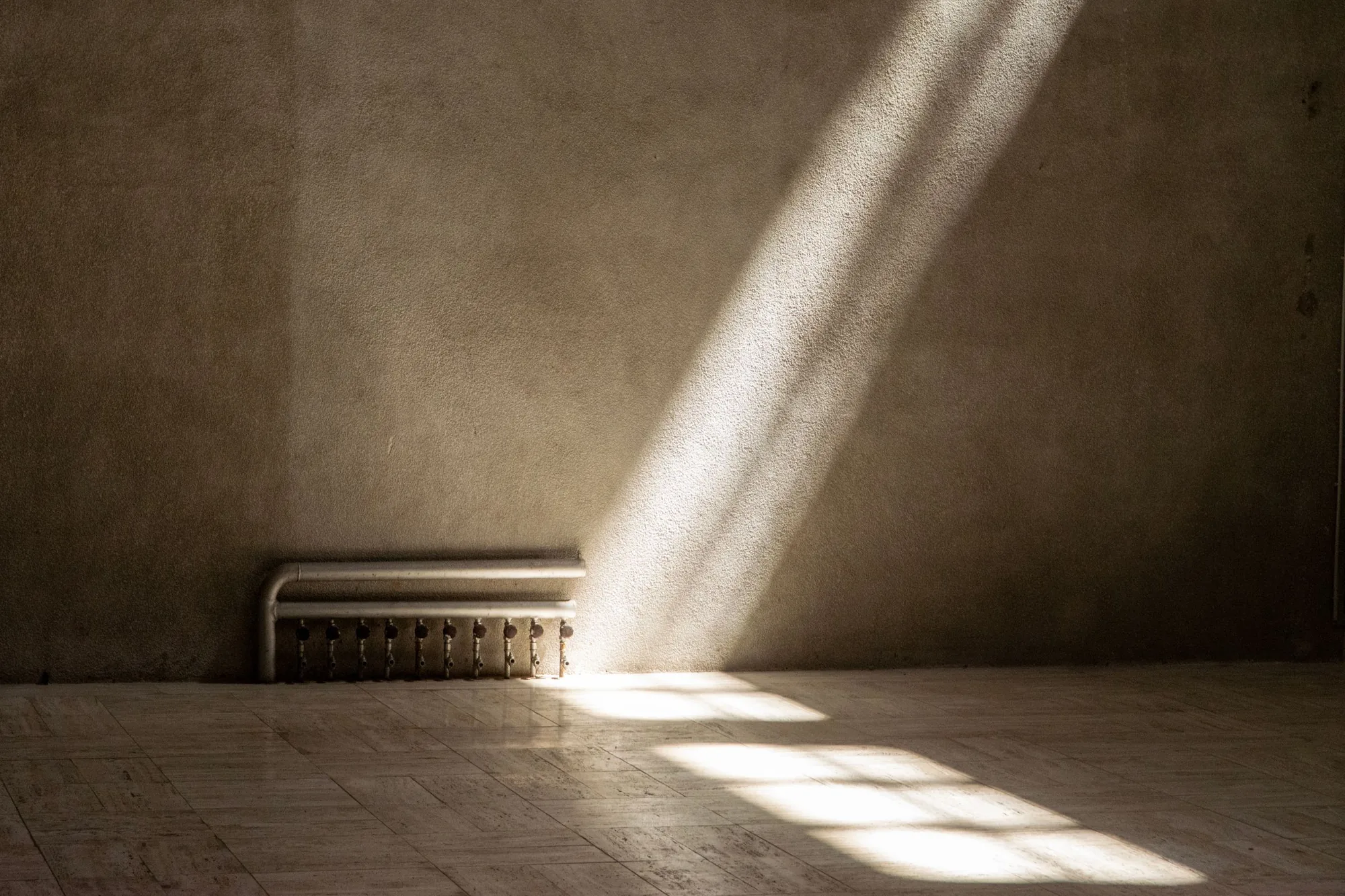 Studio Practice·Sep 18, 2026We set the daylight study before the first plan, because a room’s hours decide its purpose.
Why We Draw the Daylight Before the Plan.
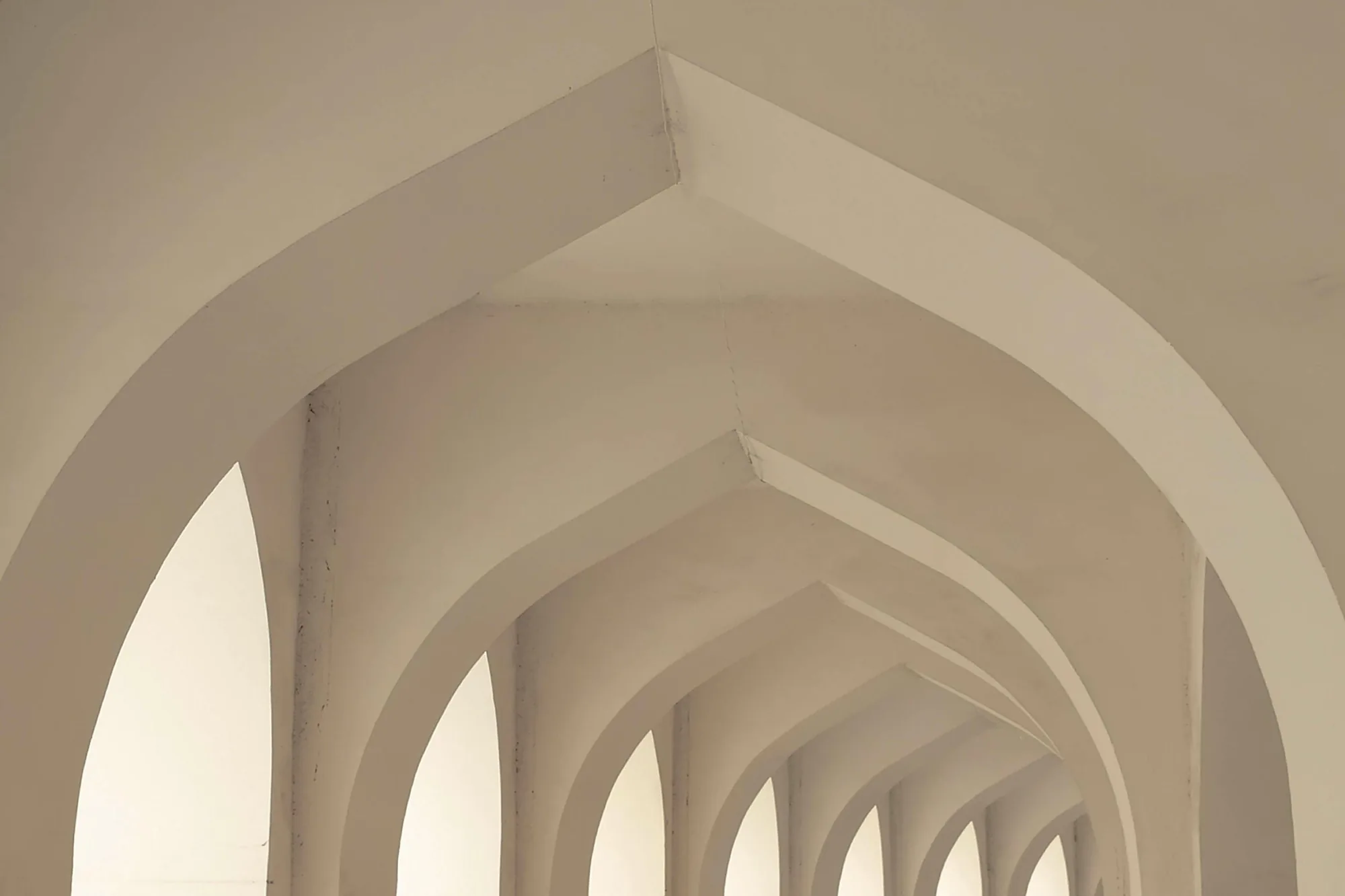 Materials·Aug 7, 2026Lime plaster costs more to apply and less to keep, and it changes how a wall meets the light.
The Case for Lime Plaster in Coastal Houses.
 Studio Practice·Apr 14, 2026A fixed four-week opening stage, priced separately, so both sides can leave before the expensive part begins.