Studio Practice
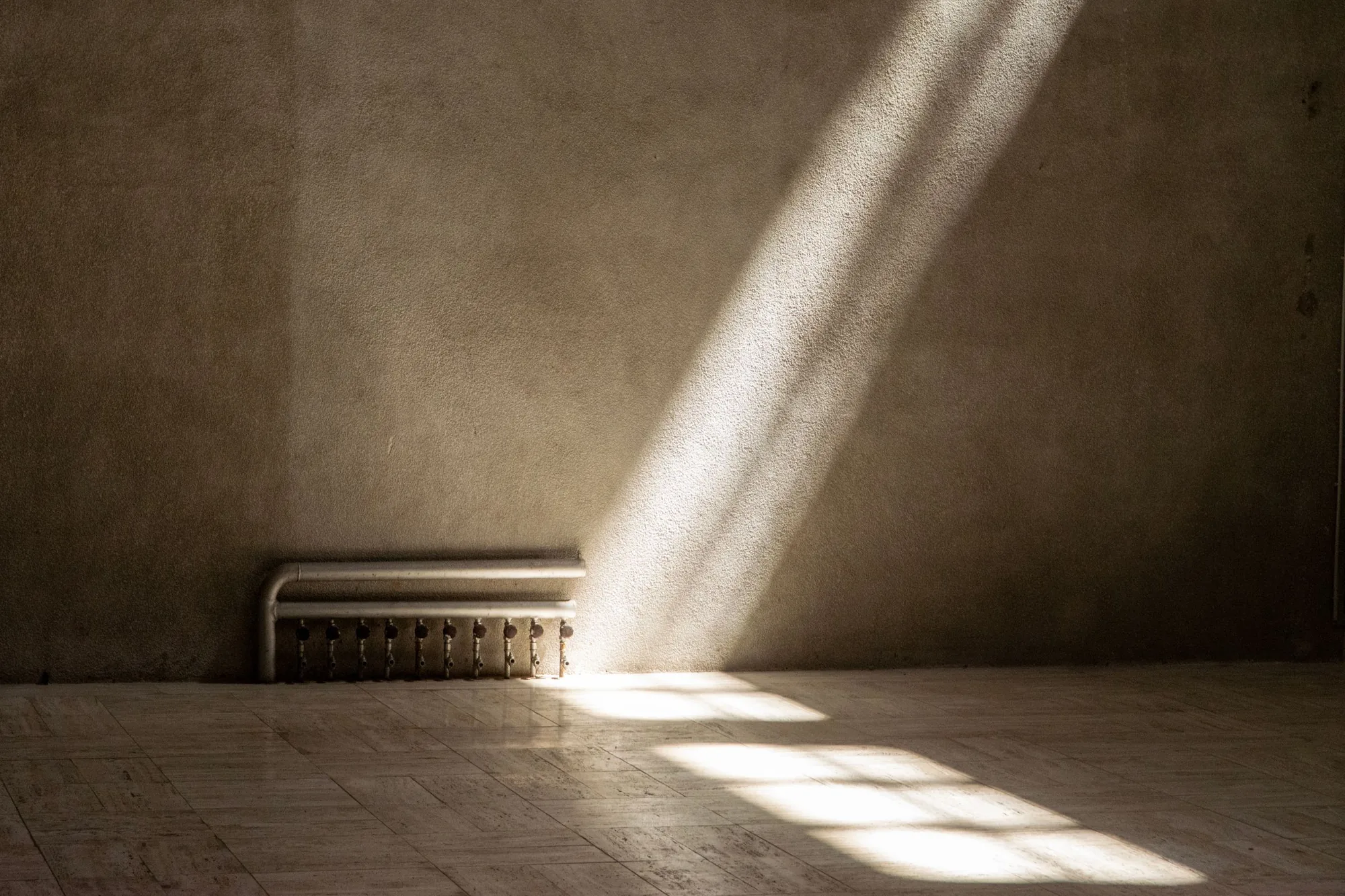
We set the daylight study before the first plan, because a room’s hours decide its purpose.
We start with the sun.
Every project in the studio opens with a daylight study, drawn before any plan. We log the path of the sun across the site for four dates in the year, then mark the hours each room can expect. The study takes a week, and it settles questions that would otherwise be argued for months.
The method came out of a 2019 apartment in Lisbon where the client wanted the kitchen on the street side. The study showed that face held direct light for under two hours in winter. We moved the kitchen to the courtyard and kept the street side for the study, which needed even light rather than warmth.
Rooms follow their hours.
Once the hours are mapped, program follows. A room that holds morning light becomes a kitchen or a place to read. A room that holds late light becomes a place to sit after work. Rooms with thin light become storage, circulation, or bathrooms, where glare would be a nuisance anyway.
This reverses the usual order, in which the plan is fixed and the lighting is corrected afterward with fixtures. Correcting with fixtures is expensive, and it never quite works. A south window is not a lamp.
What the study cannot answer.
The study says nothing about view, noise, or the neighbors, and we weigh all three separately. On a 2024 house in Porto the best-lit face looked onto a service road, so we accepted a dimmer room and borrowed light through a clerestory.
The point is not that daylight wins every argument. The point is that it enters the argument first, while the plan is still cheap to change.
More insights to explore.
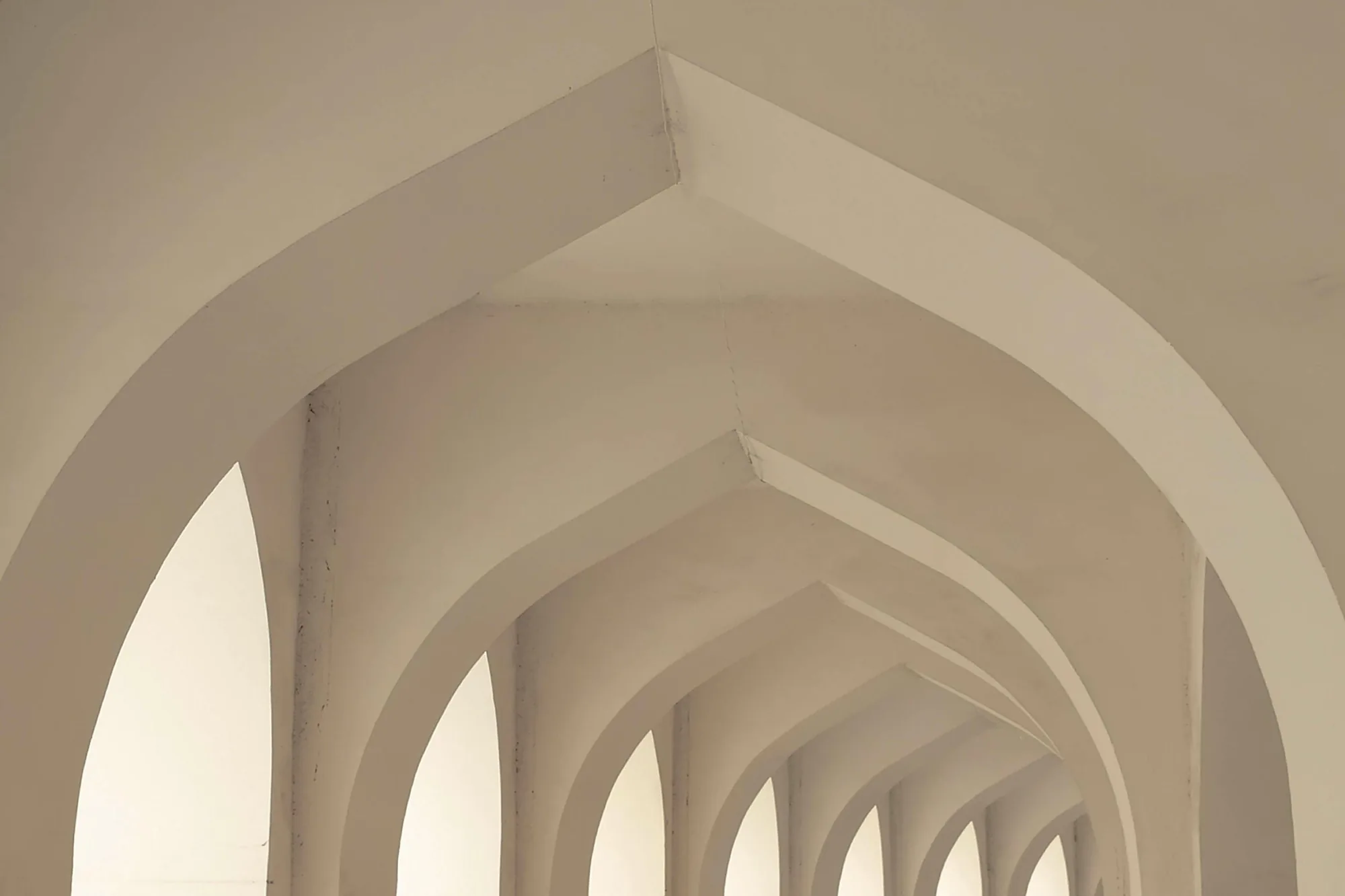 Materials·Aug 7, 2026Lime plaster costs more to apply and less to keep, and it changes how a wall meets the light.
The Case for Lime Plaster in Coastal Houses.
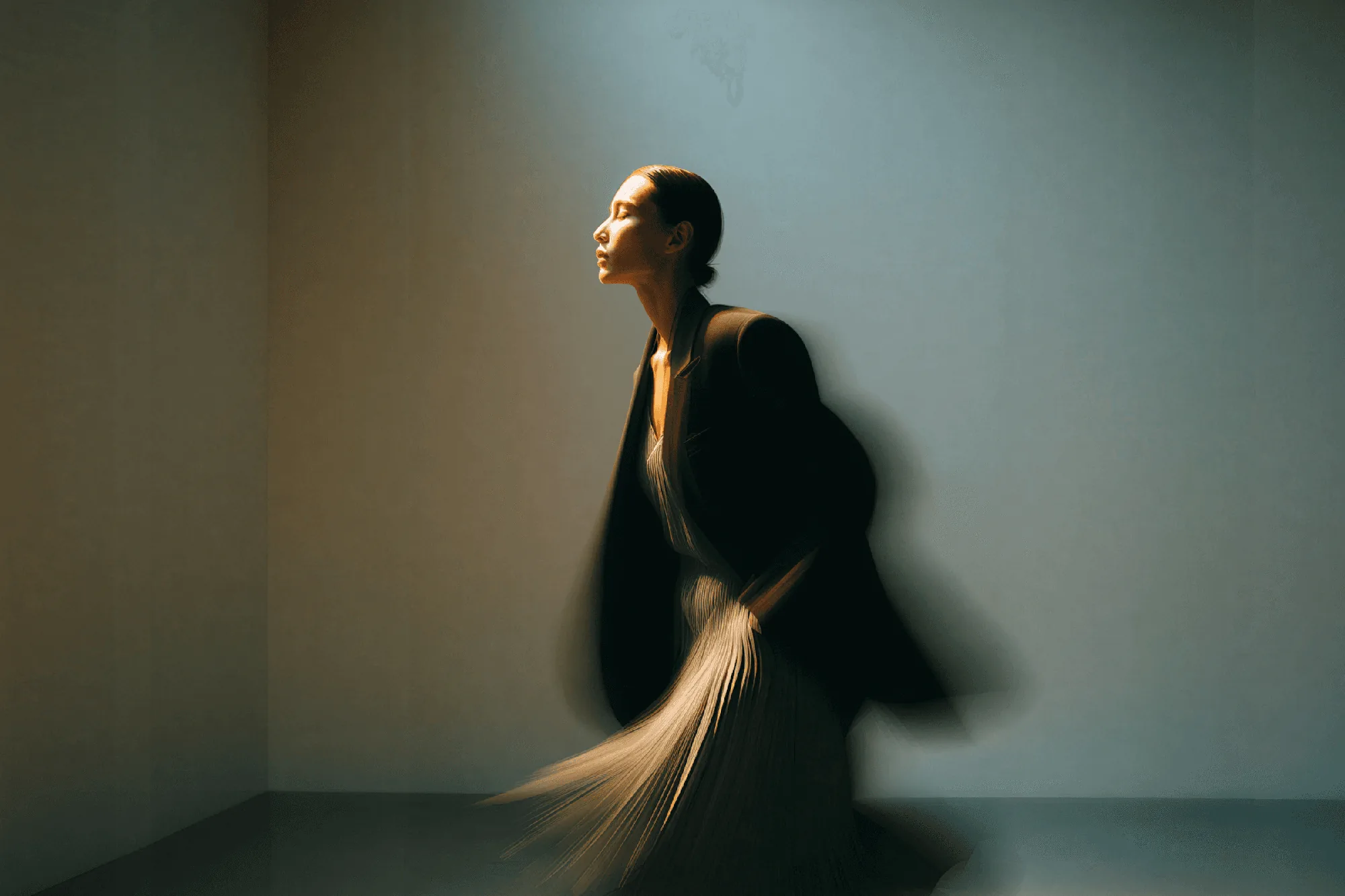 Studio Practice·Apr 14, 2026A fixed four-week opening stage, priced separately, so both sides can leave before the expensive part begins.
How We Scope a Project in Four Weeks.
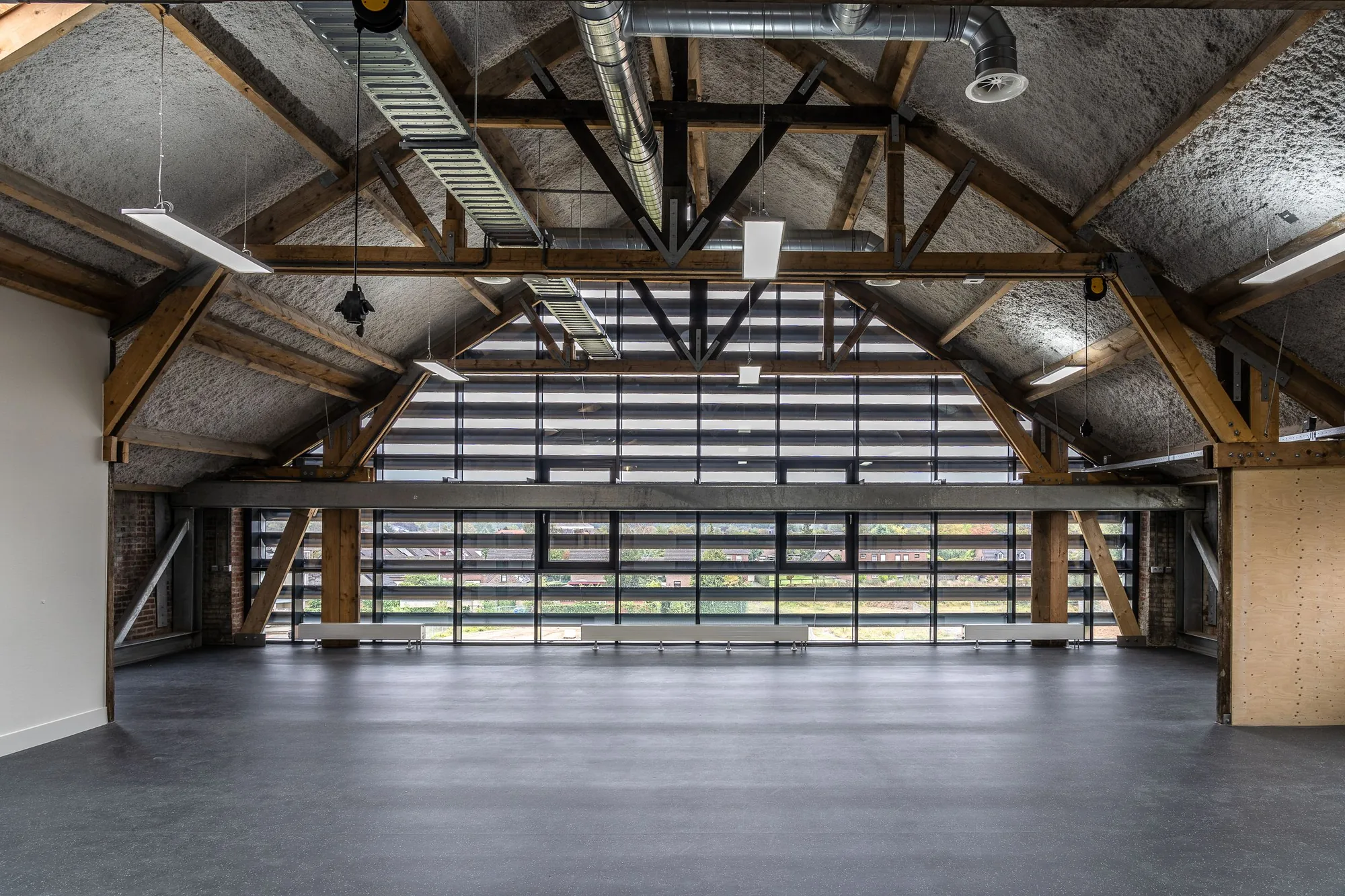 Process·Jun 11, 2026A 1930s warehouse on the Setúbal waterfront, reduced to its frame and rebuilt as one long room.