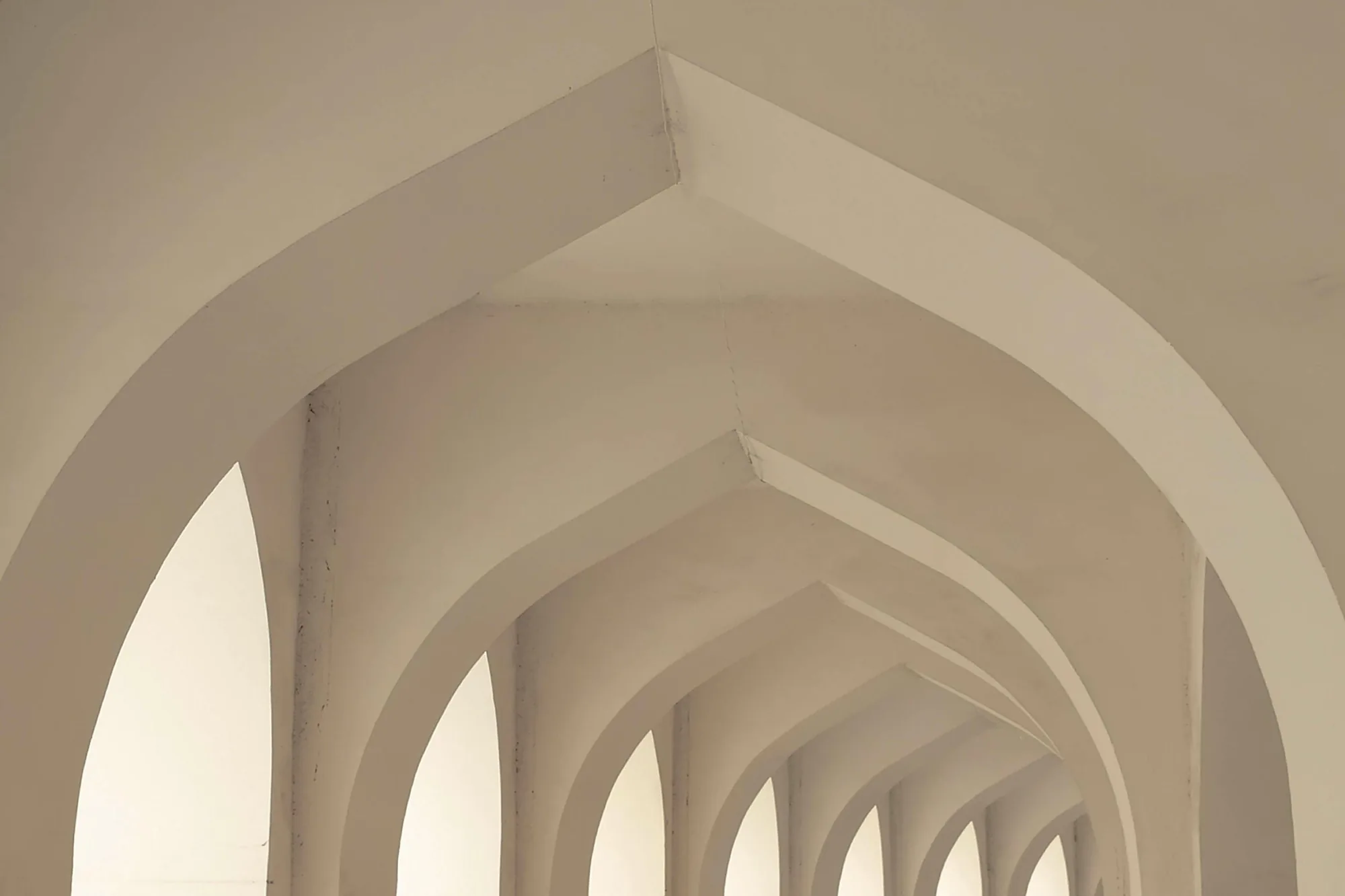
Materials
Lime plaster costs more to apply and less to keep, and it changes how a wall meets the light.
Why we specify it.
Lime plaster has been in our standard specification since 2021. It is applied in three coats over four days, which is longer than gypsum board and skim, and it costs roughly forty percent more on the first pass. The case for it is what happens over the following decade.
Lime takes up and releases moisture rather than trapping it. In the stone houses we work on along the coast, that single property removes most of the damp problems that synthetic finishes create.
How it reads in a room.
A lime wall is slightly uneven, and the unevenness is the point. Light grazes across it and reveals the trowel, so a flat wall carries a faint texture through the day instead of sitting dead. Photographs flatten this almost entirely, which is why we ask clients to visit a finished wall before deciding.
The color sits inside the material, mixed with pigment rather than painted on top. A scuff exposes more of the same color instead of a white substrate, so the wall ages without needing a touch-up kit.
Where it is the wrong choice.
Lime is alkaline and slow to cure, and it does not belong behind a shower or on a surface that will be washed daily. We use tile or stone there and keep lime to the dry rooms.
It also needs a plasterer who has done it before. On a 2022 project we lost two weeks to a crew learning on site, and the finish still had to be floated again.
More insights to explore.
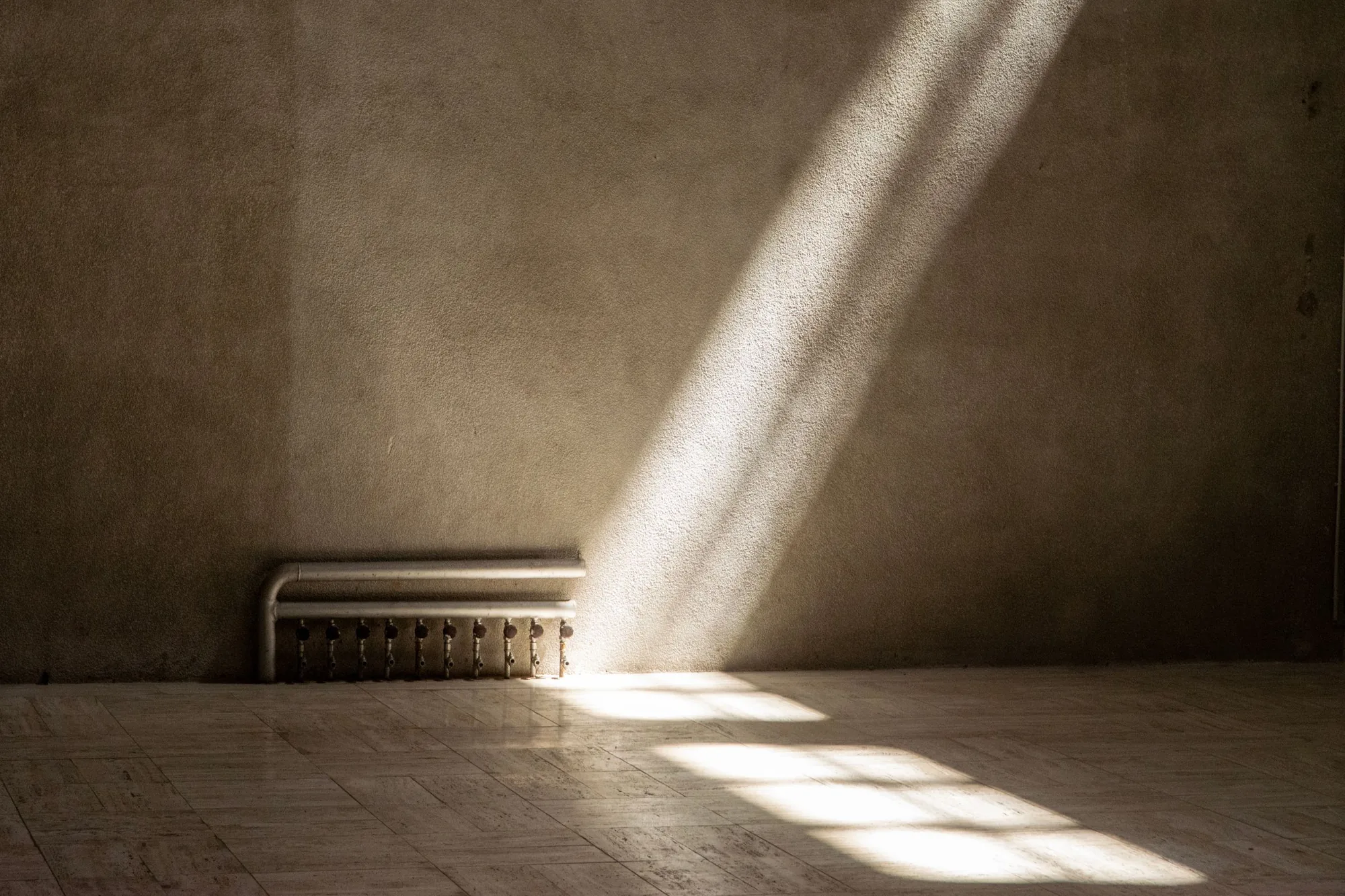 Studio Practice·Sep 18, 2026We set the daylight study before the first plan, because a room’s hours decide its purpose.
Why We Draw the Daylight Before the Plan.
 Studio Practice·Apr 14, 2026A fixed four-week opening stage, priced separately, so both sides can leave before the expensive part begins.
How We Scope a Project in Four Weeks.
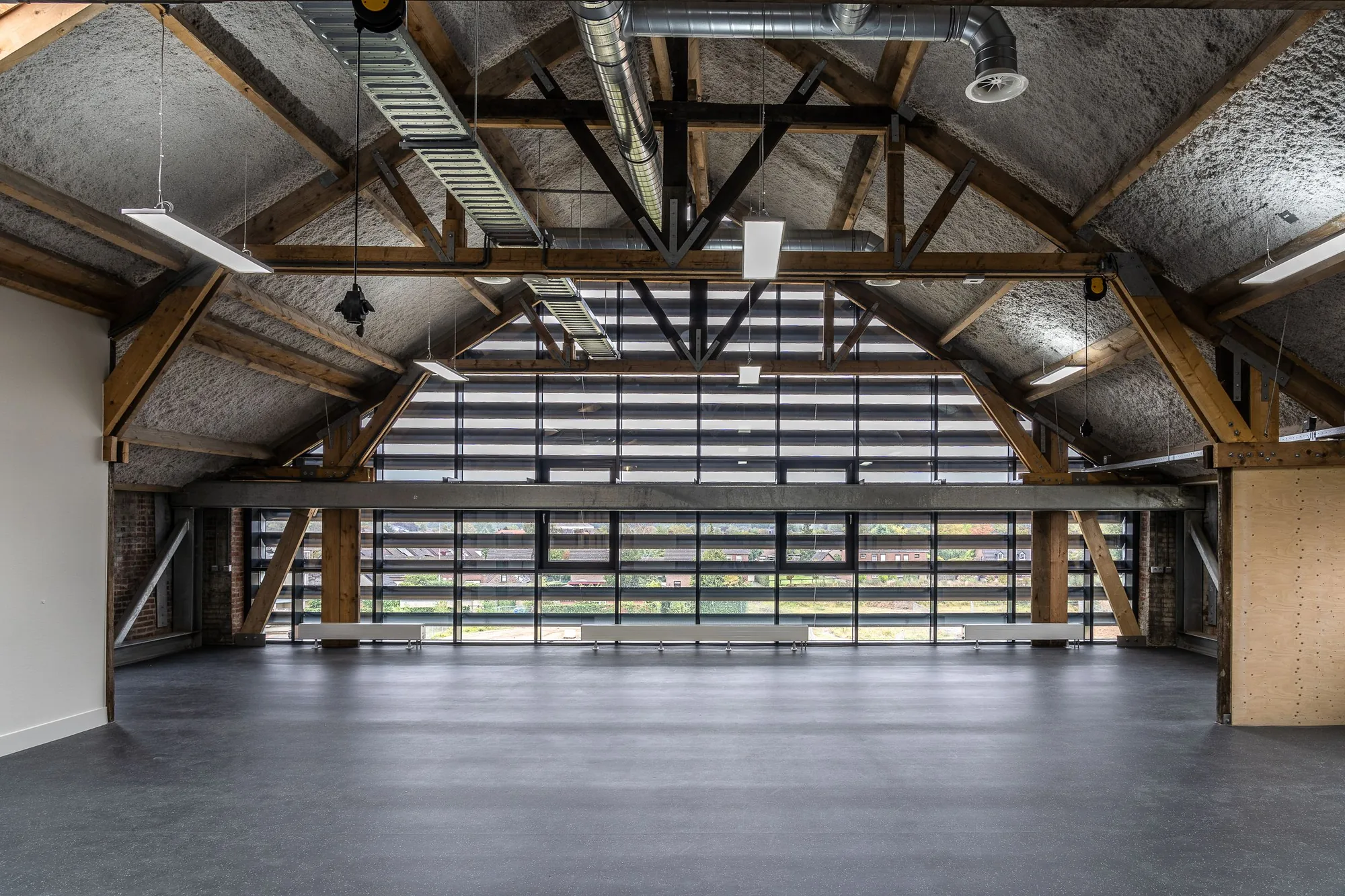 Process·Jun 11, 2026A 1930s warehouse on the Setúbal waterfront, reduced to its frame and rebuilt as one long room.