Organic cotton
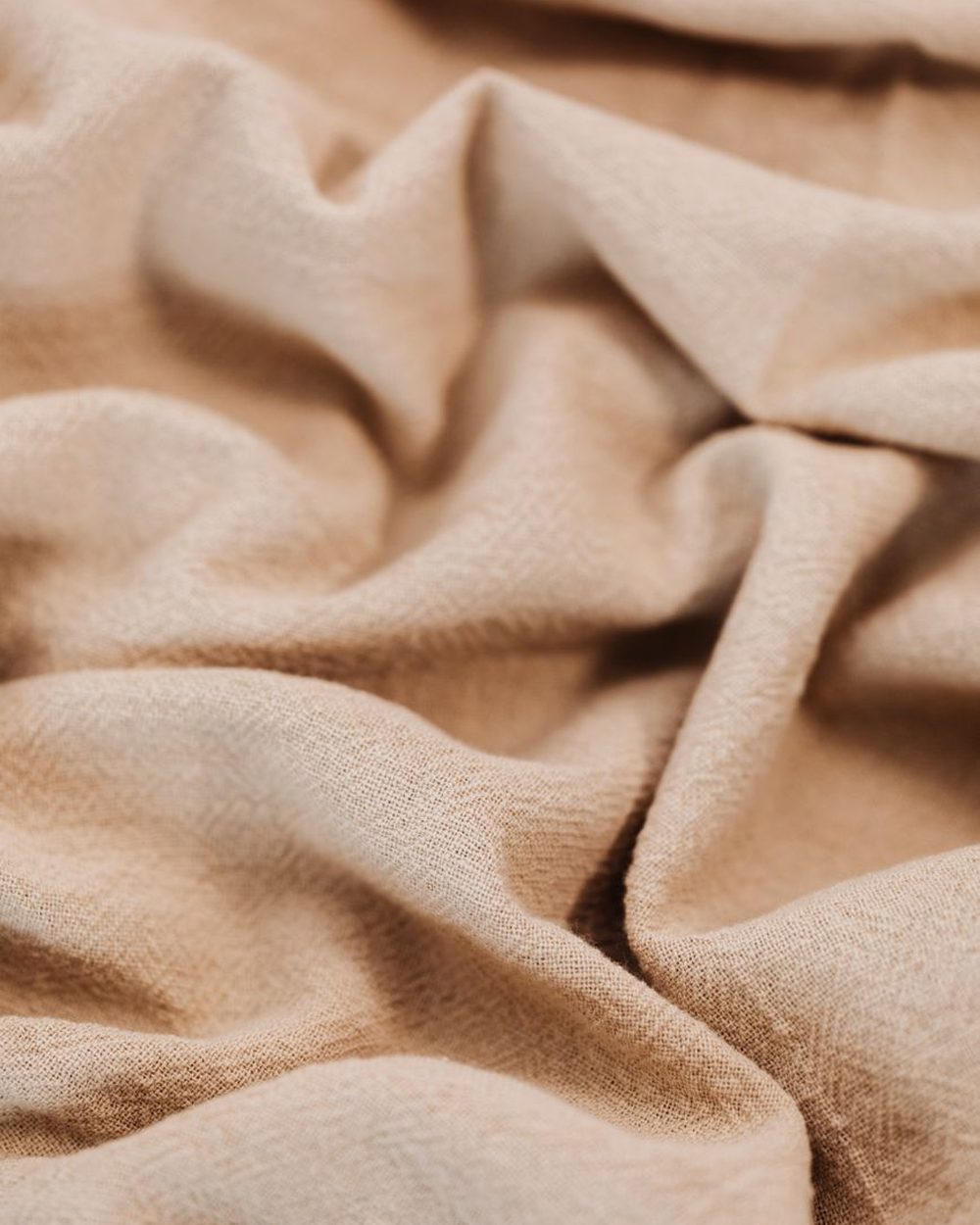
Rain-fed where possibleGrown without synthetic pesticides or fertilisers, then combed for a smooth, strong yarn. It is what our tees, sweatshirts and underwear are made of.
About
A small studio in Bengaluru making everyday basics from natural fibres, and showing the sums.
Our story
Loomkind began in 2020 with one question: why did a tee from ten years ago outlast three bought since? The answer was dull and useful. Better yarn, a heavier knit, a taped shoulder and a seam sewn slowly.
We set out to make that tee again, in organic cotton, in a workshop we could visit. Then the shirt to wear over it, the knit for the cold weeks and the first layer underneath.
The range is small on purpose. We add a piece only when we think you will wear it a hundred times, and we show what it costs us so you can decide if the price is fair.
Shop the basicsGrown without synthetic pesticides or fertilisers, then combed for a smooth, strong yarn. It is what our tees, sweatshirts and underwear are made of.
Flax needs little water and almost no spraying. The fibre is cool, strong and softens for years. We use it for shirts and kitchen linens.
Hemp grows in about a hundred days and gives one of the strongest natural fibres. Blended with cotton it makes our overshirt twill.
Wool offcuts are sorted by colour, pulled apart and spun again. No new dye bath, far less water, and the same warmth.
Values
Cotton, linen, hemp and wool. We add elastane only where a garment needs to stretch, and we say how much.
Every product page shows roughly where your money goes: fabric, making, transport, taxes and our margin.
Everything is cut and sewn in India, in workshops we visit and name on each product page.
Send back anything we made and we will mend seams, buttons and small holes at no charge.
Impact so far
Illustrative estimates based on pieces sold and published averages. They are not audited figures.
Illustrative figures for this demo store, not audited data.
What you can count on