Period houses were built for a world of candles and coal fires, and some rooms can feel dim today. The good news is that most of them can be brightened without touching their bones.
Before you change anything, spend a day watching the light. Note which rooms catch the morning sun, which glow in late afternoon, and which never quite wake up. The fix for each is different.
Start with paint
The easiest gains come from paint. Soft whites with a little warmth reflect light without feeling clinical, and a slightly lighter ceiling than walls makes a low room feel taller. Avoid brilliant whites in north-facing rooms, where they turn grey and cold.
Floors matter as much as walls. Pale, oiled boards or a light jute rug bounce light back up into the room. Dark stained floors, however handsome, swallow it.
“The best light in an old house is the light it was designed for. Our job is to stop blocking it.”
Glass and reflection
Mirrors opposite windows are an old trick for a reason. So are glazed internal doors, which borrow light from a bright hall into a dim sitting room. Many period houses had them originally, and reinstating them is often straightforward.
Bigger changes
For bigger changes, consider opening a blocked transom over a door, or adding a roof light at the back of the house where it will not be seen from the street. In a listed or historic district, speak to the planning office early; they are usually more helpful than people expect.
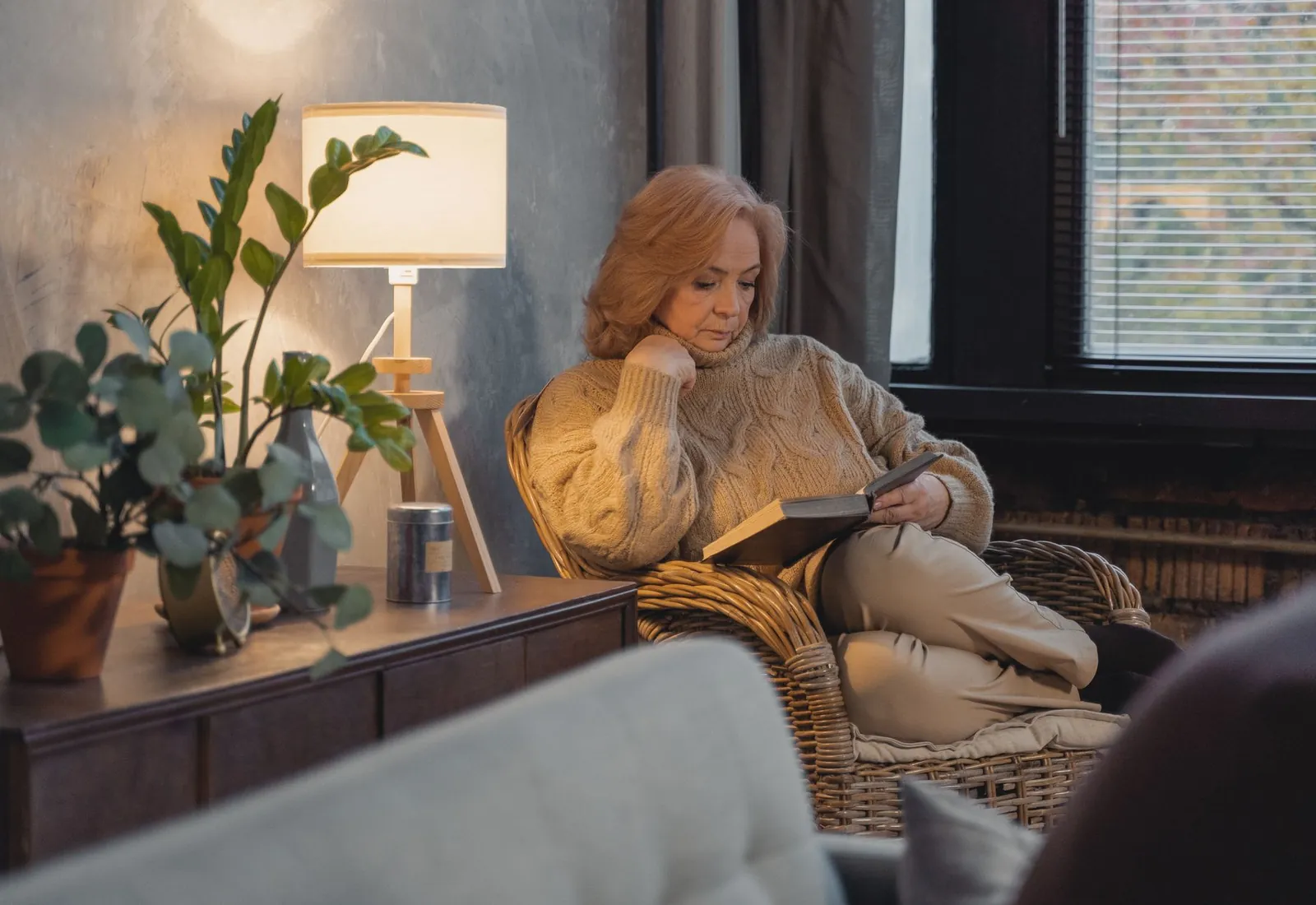
Finally, lighting. Warm bulbs, lamps at several heights and a dimmer on every circuit will do more for a winter evening than any amount of daylight engineering.